Energy bills can significantly rise when there’s significant heat loss from your home. When you use a heating system in your home during winter, the generated warmth should be contained indoors.
If there are any leaks, your space heater will work harder to maintain optimum thermal comfort, which may result in skyrocketing energy bills.
Therefore, since heat loss can bring detrimental effects, it is imperative to know how to reduce it. With that in mind, below are six ways to alleviate home heat loss:
1. Conduct External Tuffwall Cladding
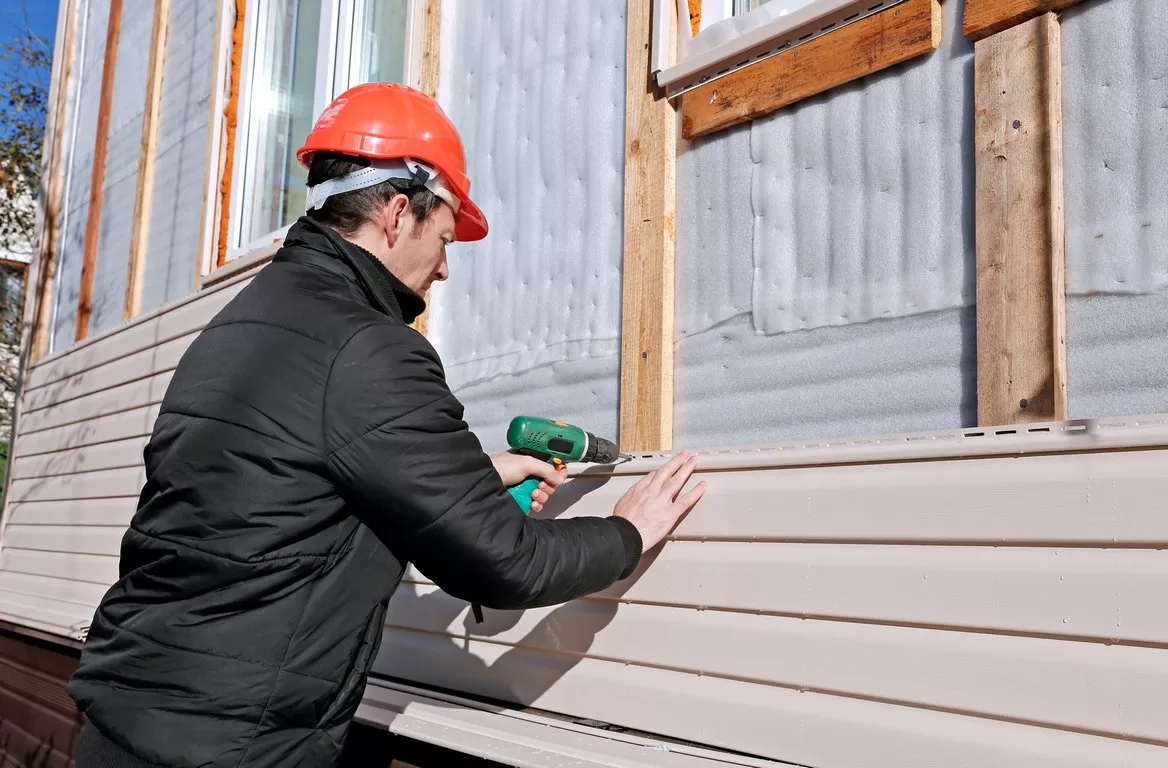
You may want to clad your exterior walls with tuffwall instead of brick. Tuffwall has a better thermal rating than brick, hence better insulation properties. It comprises expanded polystyrene (EPS) as its core material, while the outer layer can be metal, vinyl, timber, or insulated aluminum panels. These combinations enhance its ability to withstand fire, water, and wind.
Moreover, it’s highly durable and can withstand most weather elements. It is also lightweight, so you don’t have to worry about compromising your building’s structural integrity.
You can use it on any house construction or finish, whether timber, stone, or metal. For best results, get in touch with reliable cladding Perth companies. They’ll offer insightful suggestions on insulating your home with tuffwall.
2. Insulate Your Hot Water Tanks
Hot water tanks and the connected pipe network are essential components of your home. During the cold months, you need a constant supply of warm water for most chores, from washing clothes and utensils to bathing.
Thus, it is important to ensure that the hot water system is protected against heat loss. You can insulate the tank by wrapping it in a heat jacket with a sufficient R-value. Tank suppliers usually stock compatible insulating jackets that perfectly fit the tanks. You can also have one custom-designed for you if your tank has an unconventional shape.
For the pipes, you can purchase foam covers or strips of fiberglass wraps from your nearest hardware store. The seam should face down, and the wraps should be secured by clamping them using cable ties every one or two feet.
Read Also:
3. Replace Windows and Doors
Single-glazed windows lose heat quickly. If you have such, you may want to replace them with double-pane windows. They have a layer of vacuum within the two glass sheets, which is helpful in preventing heat loss as the vacuum is a poor conductor of heat.
It is also best to replace your doors with thermal-rated ones. Their cores are primarily honeycomb, polystyrene, or polyurethane, known for their high thermal performance. If your concern is durability and security, you can have steel-stiffened cores, which are likewise excellent in heat containment.
4. Hang Heavy Curtains on Doors And Windows
Doors and windows aren’t as excellent in containing heat as the thick walls. In fact, they’re the primary escape routes of indoor heat. So, for added protection, you can hang curtains on doors and windows.
However, thin sheer curtains are not a prudent choice regarding heat containment, which makes heavy curtains an excellent idea to add an extra barrier and impede heat transfer. Curtains are typically made of fabric, which is a reasonably good insulator.
Moreover, curtains prevent cold air from coming indoors, especially if your doors and windows have tiny cracks and gaps around the frames.
The same trick works with the floors. Your home can lose a lot of heat through the floor, especially if made of wood or cement. You can help in preventing heat from escaping through the floor by adding area rugs in your interior.
5. Seal The Chimney
Warm air rises, and it may reach the highest point of your home, which is the chimney. Warm air from the rooms goes straight to the chimney and can quickly escape outside if not sealed well. So, you’d want to fix a chimney balloon made of special laminate material to prevent heat loss.
6. Draught Proof Your Home
Draughts are a common culprit for heat loss in your house. First, look for gaps in your window and doors. They may have been perfect during the installation, but the contraction and expansion of timber frames and door panels can introduce gaps.
You can install a rubber seal under the door or window and on the sides. You can also repair all rotten wood on the floor, windows, or doors. It helps block cold air from entering your house and warm air from escaping. Additionally, inspect the spaces in the attic and fix them using an air-tightness adhesive.
Conclusion
Reducing home heat loss helps keep your energy bills in check and ensures optimal thermal comfort indoors. No one wants to spend cold seasons in a freezing space.
Moreover, heating the interiors prevents cold water supply pipes from freezing and bursting, which could necessitate costly repairs. By insulating your home and following the tips explained above, you can reduce heat loss at home. You can also engage expert help for the best results.