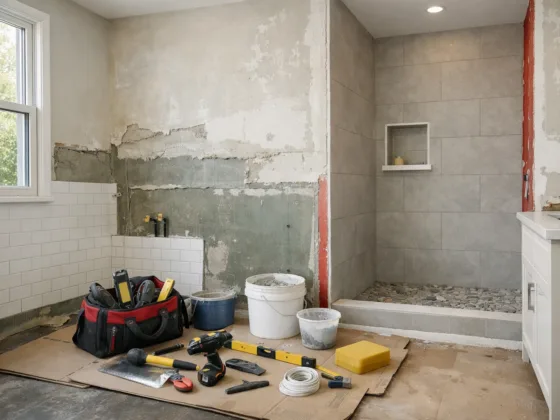
If you’re doing a small bathroom remodel project, you’re generally allowed to work without applying for any permits.
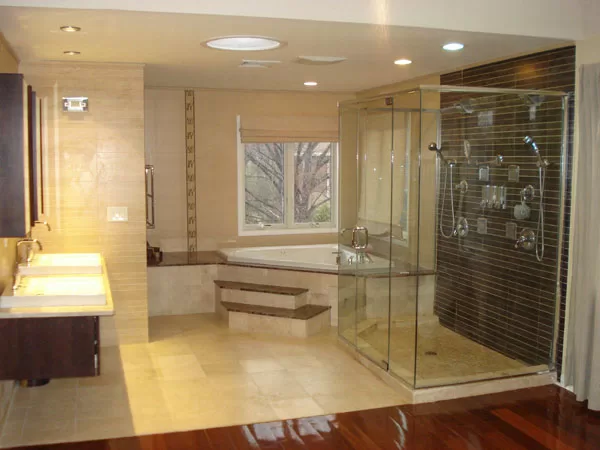
However, the question in such situations usually is what the “technical” dimensions of a small bathroom remodeling project are.
How is a small bathroom remodel defined?
The shortest answer is that it’ll depend on your local codes.
With some authorities, you won’t need a permit if you’re only doing minor repairs or changes and the project costs less than a specifically defined amount.
Such types of bathroom remodeling usually include new additions, en-suites, moving or adding electrical wires, drains, sanitary plumbing components, and demolishing activities.
However, the total cost of the bathroom remodel isn’t the only permit-exempting factor.
You may also need to ensure that the changes don’t alter the building’s design, in-house ventilation, lighting, or other structural changes.
Why do you need permits?
Permits exist to ensure that complex remodel projects aren’t unsafe and illogical.
For example, if there are elements of your bathroom that you wish to move, such as the toilet, sink, or bathtub, together with the attached to them piping, you can damage the building’s plumbing integrity.
Typically, many old tub drains don’t comply with newer code requirements. This makes planning a drain alteration a complex project which requires the skills and knowledge of a licensed plumber.
Another case that may require a permit is replacing old and compromised steel pipes with new copper or PEX ones.
Read Also :
Underground piping is a high-level endeavor that needs particular expertise. You must comply with the local building regulations for a safe and structurally sound plumbing system.
Obtaining a permit ensures that your remodel is in line with the municipal plans, zoning regulations, and historical designations of the building.
It’s a one-time pass that provides better organization, safe water circulation, and higher efficiency for your home. Last but not least, it’ll make sure the drinking water is clean.
It may be tempting to perform a DIY remodel of your bathroom, but it won’t be the most cost-effective idea. Besides that, if an inspection denies your remodeling work, it’s best to
comply with it. Otherwise, a lack of building, electrical, or plumbing documents will make it hard
to sell your home in the future. Additionally, your insurance company can ban your claims if even only some of the repairs don’t meet the standards.
What are the most common cases for taking a permit for a bathroom remodel?
It’s generally recommended not to neglect regulations if you plan to construct, alter, enlarge, restructure, relocate, demolish, or change the purpose of the building.
The local authorities strictly regulate installing, modifying, repairing, moving, or converting electrical, gas, plumbing, or mechanical systems.
The soundest decision is to obtain a permit before starting a bathroom remodel.
The most common cases that require a permit, regardless of what country you live in, typically include the following:
- Relocating a sink, bath, shower structure, or other appliance where an alteration of the plumbing and drain pipes is needed;
- Demolishing a shower wall or dividing wall;
- Opening up a windowless bathroom with a window;
- Changing the roofing with cut-in or retrofit skylight;
- Adding electrical panels or rewiring;
- Relocating water heaters, boilers, and vented or unvented
What bathroom remodel doesn’t require a permit?
Minor, aesthetic renovations and replacements don’t usually require a special permit.
Despite that, if the bathroom remodels’ requirements are against local regulations, it’s best not to do them or obtain a license first.
Typically, the most common bathroom remodels that don’t require plumbing, electrical, or building permit include:
- Leaks, drips, or malfunctions of the toilet push button or bidet;
- Shower malfunctions;
- Toilet replacement with the same model;
- Repair or replacement of a sink tap;
- Repairs, replacement, or maintenance of existing plumbing fixtures, parts, appliances, or an attached drainage system as long as they don’t alter the existing plumbing system;
- Pinhole leaks burst frozen pipes, or drips from concealed plumbing if you don’t have to install new piping over 1,5 meters long;
- Sprucing up your bathroom set-ups, such as re-painting, wallpapering, adding sanitary ware, new countertop, installing new tiles, or similar finish work;
- Baths or home rewirings, such as minor electrical changes like replacing lighting or an electrical
As long as you’re strategic and research the local bathroom remodeling requirements, you’ll save yourself the hassle, nerves, and costs that may come in the future if you’ve neglected to obtain a permit.
How does the application process take place?
Every homeowner undertaking a significant bathroom remodel runs the risk of an order to stop their work if they haven’t complied with the local plumbing requirements and terms of the permit or skipped submitting their bathroom remodeling plans.
There isn’t a universal solution for bathroom remodeling or refurbishment projects.
Dealing with the permit procedures will depend on the activities you plan.
If they aren’t multi-component and overly complex, creating a plan and submitting it to the local building authorities should be relatively easy.
Your initiative to handle the documentation yourself can also save you a lot of money and time.
A plan or blueprint isn’t necessary for those living in multiple-family dwellings.
In contrast, for complex restructuring projects, hiring a contractor who can create the plans and handle the permit submission process is advisable.
Usually, the most challenging part of this process when doing it yourself is to find the jurisdiction responsible for the permit issuance.
Once you have this information, you’ll have to fill in a form, pay a fee depending on the planned remodeling project size and complexity, and obtain the document.
Final Words
If you’ve obtained a permit for your bathroom remodeling project, you’ll most likely also need to find a trustworthy plumbing specialist to help you out.
Finding reliable professionals will not only help you prevent legal violations but also offer long-lasting results and make your home safer with fewer risks of future plumbing malfunctions.
Besides that, make sure you spend some time finding the right general contractor who can understand your vision and plan the type of bathroom that meets your needs and ideas to the fullest.