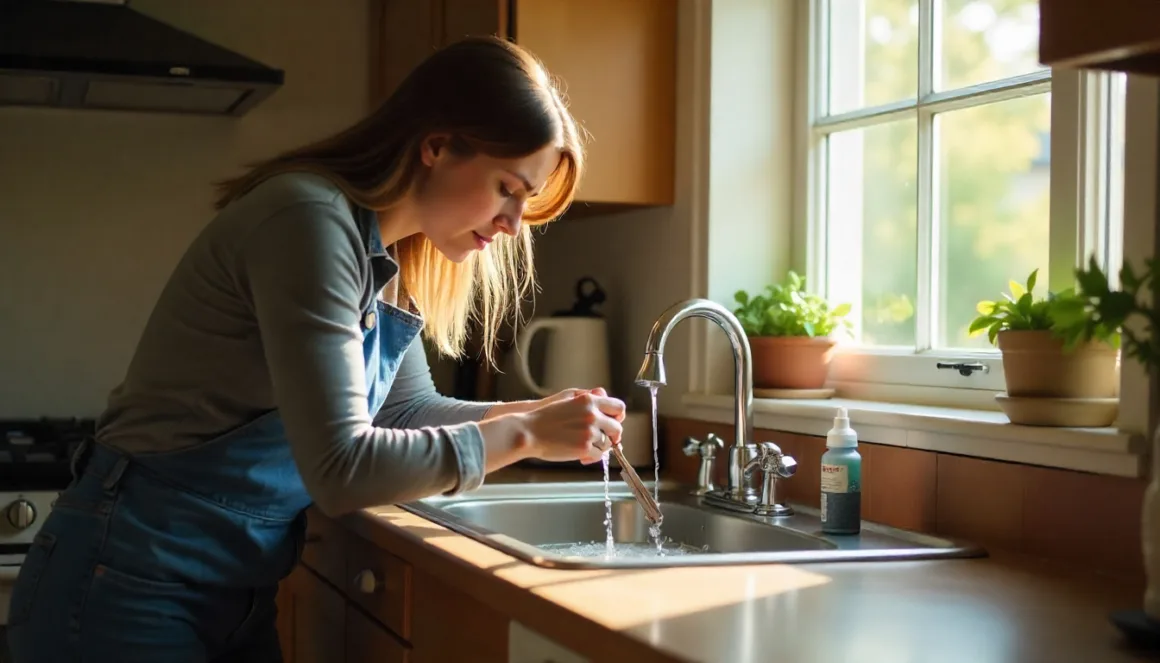
Have you ever watched the water in your kitchen sink slowly swirl instead of draining smoothly? Or stepped into the shower only to find your feet surrounded by a puddle? Maybe you’ve heard those strange, glugging noises coming from your pipes in the middle of the night. These are everyday signs of a problem many homeowners in Hoppers Crossing and nearby suburbs like Werribee, Tarneit, and Point Cook know all too well—blocked drains.
Clogged drains can be more than a nuisance. They’re often messy, time-consuming, and if left untreated, they can cause significant damage to your property. Let’s explore how to spot the signs early, fix minor issues yourself, and understand when it’s time to call in the professionals.
How Your Home’s Drainage System Actually Works
Your drainage system is more complex than it looks. It’s like an underground highway beneath your house, guiding wastewater from your kitchen, bathroom, and laundry out to the main sewer line or a septic tank.
It starts with visible fixtures—your sinks, toilets, bathtubs—and connects through a network of pipes that gradually increase in diameter. These pipes rely on gravity and air vents to ensure water flows downward smoothly and waste is carried away safely.
Expert Insight: As Liam Roberts, licensed plumber at Hoppers Drain Rescue explains, “Many homes in Hoppers Crossing still rely on clay drainage pipes. These are vulnerable to cracks and root invasions, which often lead to blockages.”
“I once helped a family in Tarneit whose bathroom drain would back up every week. Turns out, tree roots had completely overtaken their old clay pipes. We had to dig out sections and reline them. They haven’t had a problem since,” Liam added.
What Causes Blocked Drains in Hoppers Crossing?
Blocked drains in Hoppers Crossing usually stem from a handful of repeat offenders:
- Fat, oil, and grease: These might go down the sink in liquid form, but they cool and solidify inside the pipes, creating a sticky trap.
- Hair: Hair tends to collect and knot itself into clumps that resist water flow.
- Tree roots: Roots from nearby trees can grow into your pipes, cracking them open and creating serious blockages.
- Foreign objects: Baby wipes, cotton buds, and sanitary items are not biodegradable and should never be flushed.
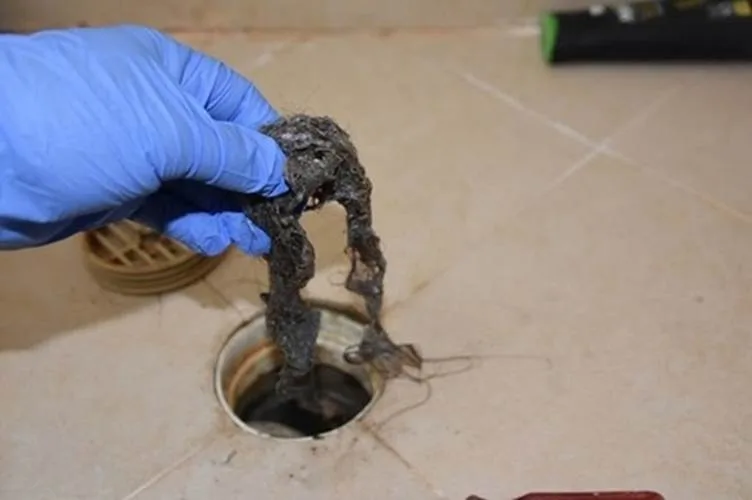
Subtle Signs Your Drain Might Be Clogged
Don’t wait until your toilet overflows to realize there’s a problem. Your plumbing system will often warn you if something’s wrong:
- Water draining slower than usual
- Bubbling or gurgling sounds in your pipes
- Bad smells coming from your sink or floor drain
- Water pooling around your feet in the shower
“Our kitchen sink started draining slowly, but we brushed it off. A week later, water was gushing out from the laundry floor drain. Turns out we had a grease blockage that backed everything up,” shared Melissa, a homeowner from Werribee.
How to Unclog Minor Drain Blockages at Home
If the problem seems manageable, try one of these reliable home remedies before calling in a plumber:
- Use a plunger: Make sure there’s a tight seal around the drain and plunge with firm, even strokes.
- Try the baking soda and vinegar trick: Pour ½ cup baking soda down the drain, followed by 1 cup of vinegar. Let it fizz for 30 minutes, then rinse with hot water.
- Boiling water: This method works particularly well for grease blockages. Slowly pour boiling water in stages.
- DIY drain snake: Use a store-bought snake or unbend a wire hanger to gently pull out hair or debris.
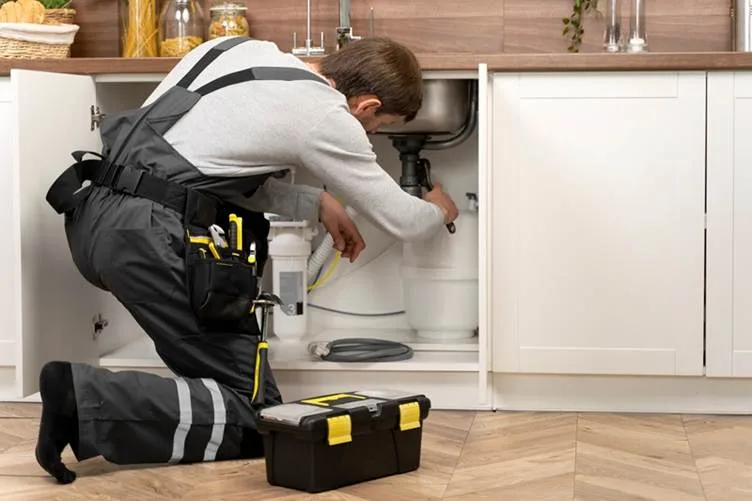
Easy Drain Maintenance to Prevent Future Clogs
Keeping your drains clear is easier than fixing a clog. Here are some maintenance habits that go a long way:
- Fit your drains with screens to catch food particles and hair.
- Never pour grease or fat down the sink.
- Once a month, flush each drain with boiling water.
- Every few months, use baking soda and vinegar as a gentle preventative cleanser.
Outdoor maintenance matters too:
- Clear gutters and stormwater drains of leaves and debris.
- Check that downpipes send water away from your home’s foundation.
- Schedule yearly inspections if you have large trees near your plumbing lines.
DIY Fix vs Hiring a Plumber: When to Choose What
| Feature | DIY Fix | Professional Service |
|---|---|---|
| Cost | Minimal | More expensive upfront |
| Tools Required | Basic (plunger, snake) | Advanced (cameras, jetters) |
| Best For | Light blockages | Persistent or deep clogs |
| Time Investment | 15–30 minutes | 1–2 hours |
| Risk of Damage | Moderate (if too forceful) | Low (expert-managed) |
What to Do During a Drain Emergency
If you’re dealing with a full blockage or overflow, here’s what you should do immediately:
- Stop using all water fixtures to prevent worsening the overflow.
- Shut off your main water supply if necessary.
- Use towels or buckets to contain any spillage.
- Ventilate the room to reduce any lingering odors.
- Avoid using harsh chemical cleaners—they can make the situation worse.
- Call a reliable emergency plumber in your area.
- Take photos of any visible damage for insurance claims.
Choosing the Right Local Plumber
A qualified plumber can fix the issue properly and prevent it from returning. Look for someone who:
- Has experience with local conditions like clay soil and old pipes
- Offers emergency services around the clock
- Is licensed and has good online reviews
You can check their Google Business Profile to verify credentials and reviews.
FAQs
Q1: What are early signs of a blocked drain?
Watch for slow-draining sinks, gurgling pipes, and unpleasant odors.
Q2: Can I fix a blocked drain without calling a plumber?
Yes—simple clogs are often fixable with a plunger or household ingredients like baking soda and vinegar.
Q3: What’s the typical cost of professional drain unblocking in Hoppers Crossing?
You’re looking at around $150 to $350 depending on the complexity.
Q4: How do I stop tree roots from damaging my pipes?
Schedule annual inspections and avoid planting trees too close to underground pipes.
Q5: Who do I call if I have a blocked drain on the weekend?
Look for local 24/7 plumbers who specialize in emergency call-outs.
Final Thoughts
Dealing with blocked drains in Hoppers Crossing doesn’t need to ruin your day. Understanding how your drainage system works, recognizing the early signs of trouble, and maintaining healthy plumbing habits can save you time, stress, and money.
When you can’t DIY it, don’t delay. A local expert can sort it out efficiently and ensure the problem doesn’t come back.
Liam Roberts is a licensed master plumber and the lead technician at Vic Wide Emergency Plumbing. With more than 15 years of hands-on experience across Hoppers Crossing and greater Melbourne, Liam specializes in diagnosing tough plumbing problems, emergency response, and eco-friendly pipe relining techniques.
Related Articles:
- Do you have a Blocked Drain? Hire a Professional Plumber
- The Risks That You Face with DIY Drain Cleaning Methods
- 5 Easy Ways to Clean Your Blocked Drain
Sources & References: