• DIY
    • Crafts
      • Outdoors & Garden Projects
    • Decorating
      • Exterior Painting & Decorating
      • Painting & Wallpaper
      • Room by Room
    • Furniture
      • Cabinets
      • Tables
    • Woodworking
  • Home Improvement
    • Real Estate
    • Living
    • Entertaining
    • Home Building & Design
      • Home Interior
      • Home Exterior
    • Home Management
      • Home Organization
    • Remodeling
    • Living Areas
    • Bathroom
    • Kitchen
  • Lawn & Garden
    • Lawn Care
    • Vegetable Gardening
    • Landscaping
      • Irrigating
    • Flowers
    • Trees & Shrubs
  • Categories
    • Home Improvement
    • Lawn & Garden
    • Landscaping
    • Real Estate
Housesumo.com
  • DIY
    • Crafts
      • Outdoors & Garden Projects
    • Decorating
      • Exterior Painting & Decorating
      • Painting & Wallpaper
      • Room by Room
    • Furniture
      • Cabinets
      • Tables
    • Woodworking
  • Home Improvement
    • Real Estate
    • Living
    • Entertaining
    • Home Building & Design
      • Home Interior
      • Home Exterior
    • Home Management
      • Home Organization
    • Remodeling
    • Living Areas
    • Bathroom
    • Kitchen
  • Lawn & Garden
    • Lawn Care
    • Vegetable Gardening
    • Landscaping
      • Irrigating
    • Flowers
    • Trees & Shrubs
  • Categories
    • Home Improvement
    • Lawn & Garden
    • Landscaping
    • Real Estate
featured image - How to Remove Japanese Knotweed?
  • Home Improvement
  • DIY

How to Remove Japanese Knotweed?

  • Perla Irish
  • May 18, 2021
Total
3
Shares
3
0
0
0

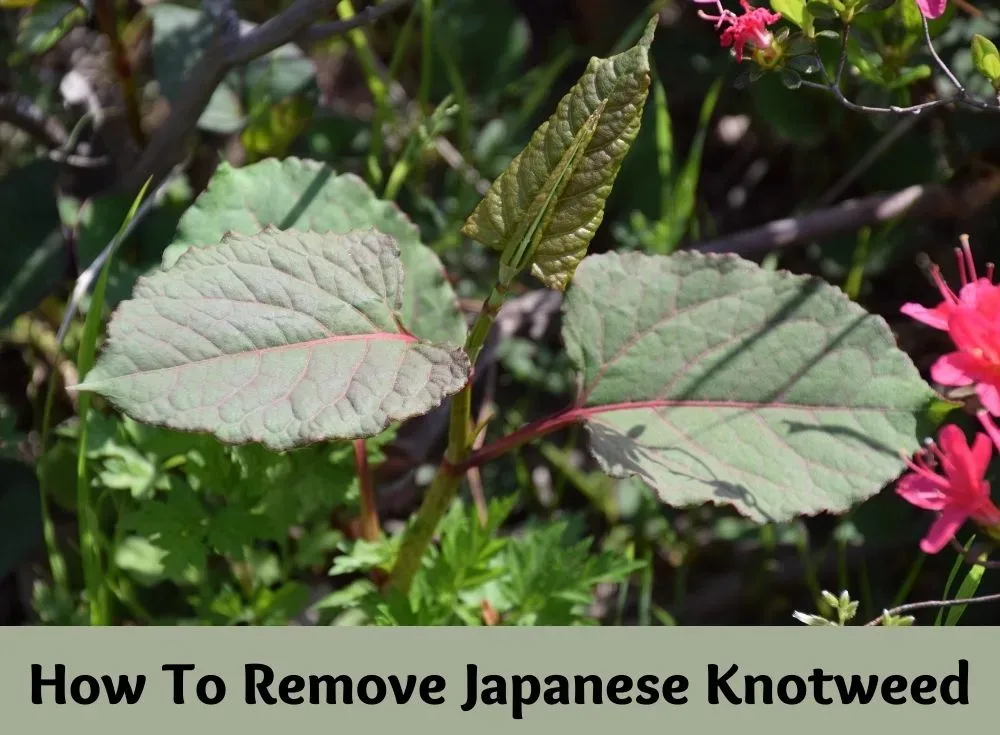
Don’t know how to remove the Japanese Knotweed? No problem here is the simple guide for removing Japanese Knotweed. Please check them out below. So Keep Reading on!
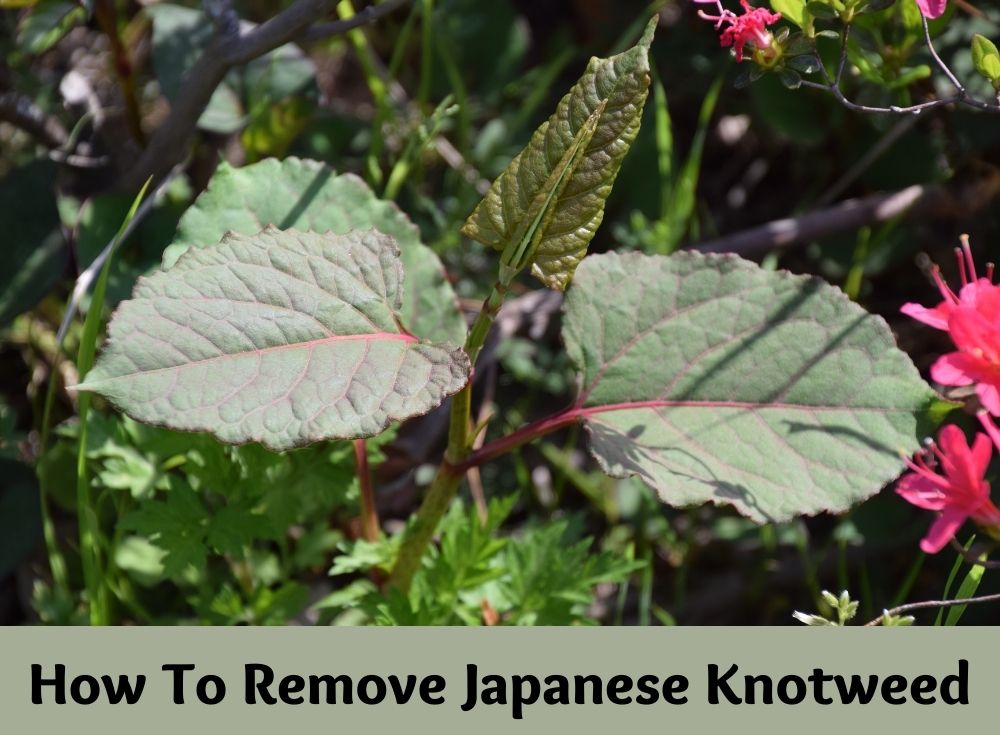
image - How to Remove Japanese Knotweed?
How to Remove Japanese Knotweed?

Non-Chemical Controls

It is possible to dig it out, but due to how deep the rhizomes are able to penetrate, usually regrowth occurs.

Problems are also created by this method when it comes to disposal since under the 1990 Environmental Protection Act Japanese knotweed is classified as ‘controlled waste.

It requires it to be disposed of at a licensed landfill site. Usually, specialist Japanese knotweed contractors are licensed for safely removing the knotweed from the site.

However, before you employ their services, check first. Or you can destroy it o site, by letting it dry out and then burning it.

Japanese knotweed should never be included with regular household waste or placed in green waste collection bins.

If you plan to try to dig it out, remove as much of the root as you can, then destroy the regrowth repeatedly.

That will result in the energy reserves contained inside of the remaining underground parts to gradually be exhausted.

However, it could take several seasons to complete this process.

Biological Control

A psyllid (plant sucker) is being released as a biological control in the UK for Japanese knotweed.

Currently, it is being released only at a few trial sites. Gardeners do not have access to it.

However, if it succeeds it will be released more broadly and will become more widespread in the UK by natural spread over the upcoming five to ten years.


Read Also:

  • Best Way to Keep Weeds From Growing Between Pavers and Cracks
  • Unleashing Tips and Tricks to Get Rid of Lawn Weeds
  • How to Make My Own Pet Safe Lawn Care Products
  • How Safe Is It to Use Weed Killers for Your Garden?
  • How to Choose the Perfect Weed Eater?

Chemical Controls

Maybe the simplest and most effective method for home gardeners for fighting Japanese knotweed is by using Scotts Roundup Tree Stump & Rootkiller, which is a glyphosate-based weedkiller.

The label recommends it for controlling Japanese knotweed, with the directions saying it should be applied to the plant’s cut canes.

There is also a label control for the weed from Bayer Garden Super Strength Weedkiller.

Or other tough glyphosate formulations can be tried (e.g. Doff Maxi Strength Glyphosate Weedkiller, Bayer Tough Rootkill, Scotts Tumbleweed, or Scotts Roundup 3000).

Glyphosate is normally applied to the foliage. It then passes to the underground parts from within the plant.

It is helpful to cut the old stems away during the winter to provide good access.

The flowering stage during the late summer is the best time to spray with glyphosate. However, it is hard to spray at that point, since the weed is 7 foot (2.1 m) or higher.

A more practical approach to take is allowing Japanese knotweed to grow to around 3 feet (90 cm).

This will normally be reached in the month of May. Then you can spray. There will be some regrowth so it will be useful for a second application to be done in mid-summer.

Check again in September to see if it has grown again. If so, spray again before the growth starts dying down in the fall.

Then check once again during the following spring.

Avoid having the spray come into contact with any garden plants. Knotweed that is treated with knotweed will frequently produce bushy, small-leaved growth that is 20 inches to 3 feet (50-90 cm) tall by the following spring.

It often looks very different from the regular plant and it is critical to treat this regrowth.

Normally it will take three or four seasons at least to eliminate Japanese knotweed through the use of glyphosate.

However, professional contractors like Environet will have access to more potent weedkillers that can cut the time in half.

Residual Control

Bayer Ground Clear Weedkiller is a residual weedkiller that contains metosulam//flufenacet/glyphosate is available in a soluble sachet.

A moderate check on growth might be provided, but due to the highly persistent rhizomes, it is not likely to eliminate the weed.

0
0
3
0
Total
3
Shares
Pin it 3
Share 0
Tweet 0
Share 0
Share 0
Related Topics
  • weeds
Previous Article
featured image - How Do I Decorate My Basement
  • Home Improvement
  • DIY

How Do I Decorate My Basement?

  • Perla Irish
  • May 18, 2021
View Post
Next Article
featured image - Tips to Care for a Meyer Lemon Tree
  • Trees & Shrubs
  • DIY

Tips to Care for a Meyer Lemon Tree

  • Perla Irish
  • May 18, 2021
View Post

You May Also Like

Modest kitchen with wood-look faux butcher block countertop
View Post
  • Kitchen

DIY Faux Butcher Block Countertops: Cost, Durability & Long-Term Reality

  • Perla Irish
  • February 14, 2026
Modular furniture components arranged as an adaptive interior system rather than fixed standalone pieces.
View Post
  • Furniture

Modular Furniture Beyond Sofas: Designing Interiors That Adapt Over Time

  • Perla Irish
  • January 27, 2026
Flexible living room interior layout illustrated as a system, showing modular seating, storage, and furniture arranged for long-term adaptability rather than fixed styling.
View Post
  • Home Interior

Flexible Living Room Layouts: Designing Spaces That Adapt Over Time

  • Perla Irish
  • January 26, 2026
Neutral living space illustrating eco-friendly interior design through flexible layout and long-term adaptability.
View Post
  • Home Interior

Transforming Your Home With Eco-Friendly Interior Design

  • Perla Irish
  • January 26, 2026
Illustration showing a neutral living room layout with abstract seating zones and circulation space.
View Post
  • Furniture

What Is a Modular Sofa and Why It Works for Modern Living Rooms

  • Perla Irish
  • January 21, 2026
Architectural visualization showing an off-the-plan residential project before construction begins.
View Post
  • Home Building & Design

A Builder’s Guide to Marketing New Property Projects

  • Perla Irish
  • January 13, 2026
Technician checking a refrigerator in a home kitchen in Winter Garden, Florida
View Post
  • Home Improvement

Refrigerator Repair in Winter Garden: A Practical Homeowner’s Guide

  • Perla Irish
  • December 31, 2025
Side-by-side view of common metal finishes showing chrome shine, copper patina, and matte black texture.
View Post
  • Home Improvement
  • Home Interior

How to Choose the Best Metal Plating for Home Fixtures (What Actually Lasts)

  • Perla Irish
  • December 30, 2025

Join 13,000 folks!

Get instant access to our weekly newsletter where we share the best! 100% Privacy. No Spam.

  • Disclosure & Affiliate Policy
  • Privacy Policy
  • Terms of Use
  • About
  • Sitemap
  • Contact Us

Input your search keywords and press Enter.