• DIY
    • Crafts
      • Outdoors & Garden Projects
    • Decorating
      • Exterior Painting & Decorating
      • Painting & Wallpaper
      • Room by Room
    • Furniture
      • Cabinets
      • Tables
    • Woodworking
  • Home Improvement
    • Real Estate
    • Living
    • Entertaining
    • Home Building & Design
      • Home Interior
      • Home Exterior
    • Home Management
      • Home Organization
    • Remodeling
    • Living Areas
    • Bathroom
    • Kitchen
  • Lawn & Garden
    • Lawn Care
    • Vegetable Gardening
    • Landscaping
      • Irrigating
    • Flowers
    • Trees & Shrubs
  • Categories
    • Home Improvement
    • Lawn & Garden
    • Landscaping
    • Real Estate
Housesumo.com
  • DIY
    • Crafts
      • Outdoors & Garden Projects
    • Decorating
      • Exterior Painting & Decorating
      • Painting & Wallpaper
      • Room by Room
    • Furniture
      • Cabinets
      • Tables
    • Woodworking
  • Home Improvement
    • Real Estate
    • Living
    • Entertaining
    • Home Building & Design
      • Home Interior
      • Home Exterior
    • Home Management
      • Home Organization
    • Remodeling
    • Living Areas
    • Bathroom
    • Kitchen
  • Lawn & Garden
    • Lawn Care
    • Vegetable Gardening
    • Landscaping
      • Irrigating
    • Flowers
    • Trees & Shrubs
  • Categories
    • Home Improvement
    • Lawn & Garden
    • Landscaping
    • Real Estate
featured image - Calculating How Many Solar Panels You Need for Your Home
  • Home Improvement
  • DIY

Calculating How Many Solar Panels You Need for Your Home

  • Perla Irish
  • January 12, 2023
Total
1
Shares
1
0
0
0

When it comes to installing solar panels in your home, the number of panels needed to generate enough electricity will depend on several factors.

These include the type and size of the solar panel, your location, and the total amount of power you need to produce.
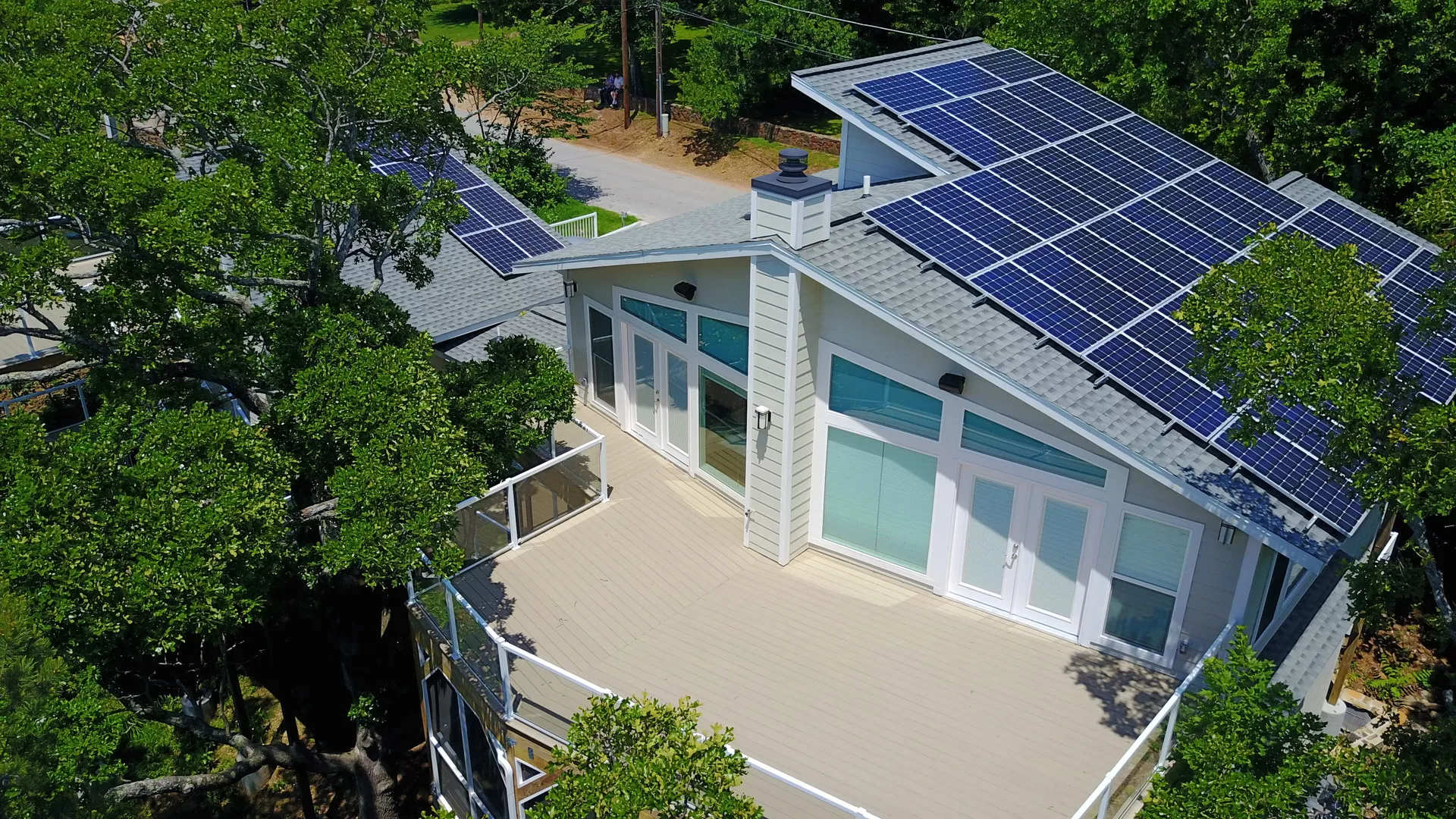
image - Calculating How Many Solar Panels You Need for Your Home
Calculating How Many Solar Panels You Need for Your Home

To determine exactly how many solar panels you need for your particular home, there are several steps you should take.

Step 1: Calculate Your Average Daily Energy Consumption

The first step is to calculate your average daily energy consumption.

This means taking into account all of the appliances and lights in your home that run on electricity. Once you have established how much energy you use each day, it’s time to look at what size of solar panel best suits your needs.

Step 2: Find Out the Peak Sun Hours in Your Area

The second step is to find out the peak sun hours in your area.

This will help you determine how much energy can be produced from the solar panels you are considering.

On average, you should expect to get around 5 hours of peak sunshine each day. However, this can vary depending on the time of year and your location.


Read Also:

  • Is My Roof Good for Solar? The 4 Essentials Installers Consider
  • 5 Things to Know Before Installing Solar Panels at Home
  • 7 Benefits of Solar Panels In Darwin, NT
  • How Long Do Solar Panels Last?

Step 3: Calculate the Solar System Size

The third step is to calculate the size of the solar system needed to cover your daily energy needs.

This involves dividing the average daily energy consumption by the peak sun hours in your area.

This will give you an estimate of how many solar panels are needed to power your home.

For example, if you use an average of 30 kWh per day and your home receives 5 hours of peak sunshine each day, then you would need a system size of 6kW.

Step 4: Determine the Solar Panel Size

Solar panels come in various sizes and types, with different wattages that can vary from 15 watts for a small panel to 500 watts for a large one.

The higher the wattage of the panel, the more electricity it can generate. Therefore, you should take into account the size of your home and energy needs when selecting which type of solar panel is best for you.

Lets’ say you’ll install 200 watt solar panels and your average daily energy consumption is 30kWh. You will need (30kWh/5 hours peak sun) a 6 kW solar system or let’s say 30 pcs of 200W solar panel.

Step 5: Consider System Losses

Inverters, cables, and other components of the solar system can cause a certain amount of energy to be lost when electricity passes through it.

Therefore, you should always factor in around 15-20% more solar panels than estimated to ensure that enough power is generated for your home.

Last Words

Installing solar panels in your home can significantly reduce your energy bills and help you use cleaner, renewable sources of energy.

By following the above steps, you can easily calculate how many solar panels are needed for your home to produce enough electricity for your daily needs.

However, it is always important to consult with a qualified professional before making any decisions about installing solar panels on your property.

They’ll be able to provide more specific advice and ensure that everything is installed safely and correctly.

0
0
1
0
Total
1
Shares
Pin it 1
Share 0
Tweet 0
Share 0
Share 0
Related Topics
  • energy
  • home
  • panels
  • solar
Previous Article
featured image - How Often Should You Clean Your Air Ducts at Home
  • Home Improvement
  • DIY

How Often Should You Clean Your Air Ducts at Home

  • Perla Irish
  • January 12, 2023
View Post
Next Article
featured image - How Much Will It Really Cost to Renovate a Kitchen
  • Kitchen
  • DIY
  • Home Improvement

How Much Will It Really Cost to Renovate a Kitchen?

  • Perla Irish
  • January 12, 2023
View Post

You May Also Like

Modest kitchen with wood-look faux butcher block countertop
View Post
  • Kitchen

DIY Faux Butcher Block Countertops: Cost, Durability & Long-Term Reality

  • Perla Irish
  • February 14, 2026
Modular furniture components arranged as an adaptive interior system rather than fixed standalone pieces.
View Post
  • Furniture

Modular Furniture Beyond Sofas: Designing Interiors That Adapt Over Time

  • Perla Irish
  • January 27, 2026
Flexible living room interior layout illustrated as a system, showing modular seating, storage, and furniture arranged for long-term adaptability rather than fixed styling.
View Post
  • Home Interior

Flexible Living Room Layouts: Designing Spaces That Adapt Over Time

  • Perla Irish
  • January 26, 2026
Neutral living space illustrating eco-friendly interior design through flexible layout and long-term adaptability.
View Post
  • Home Interior

Transforming Your Home With Eco-Friendly Interior Design

  • Perla Irish
  • January 26, 2026
Illustration showing a neutral living room layout with abstract seating zones and circulation space.
View Post
  • Furniture

What Is a Modular Sofa and Why It Works for Modern Living Rooms

  • Perla Irish
  • January 21, 2026
Architectural visualization showing an off-the-plan residential project before construction begins.
View Post
  • Home Building & Design

A Builder’s Guide to Marketing New Property Projects

  • Perla Irish
  • January 13, 2026
Technician checking a refrigerator in a home kitchen in Winter Garden, Florida
View Post
  • Home Improvement

Refrigerator Repair in Winter Garden: A Practical Homeowner’s Guide

  • Perla Irish
  • December 31, 2025
Side-by-side view of common metal finishes showing chrome shine, copper patina, and matte black texture.
View Post
  • Home Improvement
  • Home Interior

How to Choose the Best Metal Plating for Home Fixtures (What Actually Lasts)

  • Perla Irish
  • December 30, 2025

Join 13,000 folks!

Get instant access to our weekly newsletter where we share the best! 100% Privacy. No Spam.

  • Disclosure & Affiliate Policy
  • Privacy Policy
  • Terms of Use
  • About
  • Sitemap
  • Contact Us

Input your search keywords and press Enter.