Traditional interior design isn’t about chasing trends. It’s about building a home that still feels right years from now—structured, balanced, and quietly comfortable.
Working with a traditional interior designer means committing to decisions that prioritize proportion, material quality, and long-term usability over short-term visual impact.
Most modern interiors don’t fail because of style—they fail because no one controls the structure. Traditional design forces that control from the beginning.
That’s why spaces built purely around trends often look outdated faster than expected—even when they feel current at the start.
Traditional Interior Designer: What They Actually Control (and Why It Matters)
- Defines layout structure before decoration
- Selects materials based on durability, not trend
- Balances proportion, symmetry, and furniture scale
- Controls lighting and texture to shape how a space feels
- Coordinates execution so the design stays consistent
This approach fits homeowners who want a space that works without needing constant updates, fixes, or redesign decisions.
A traditional interior designer focuses on long-term usability and visual stability. The result is a home that feels cohesive, functional, and unlikely to require frequent redesign.
At its core, traditional interior design is about controlling structure first, then allowing style to follow. That distinction is what separates interior styling from spatial design—one reacts to visuals, the other controls how a space actually functions.
What Defines Traditional Interior Design
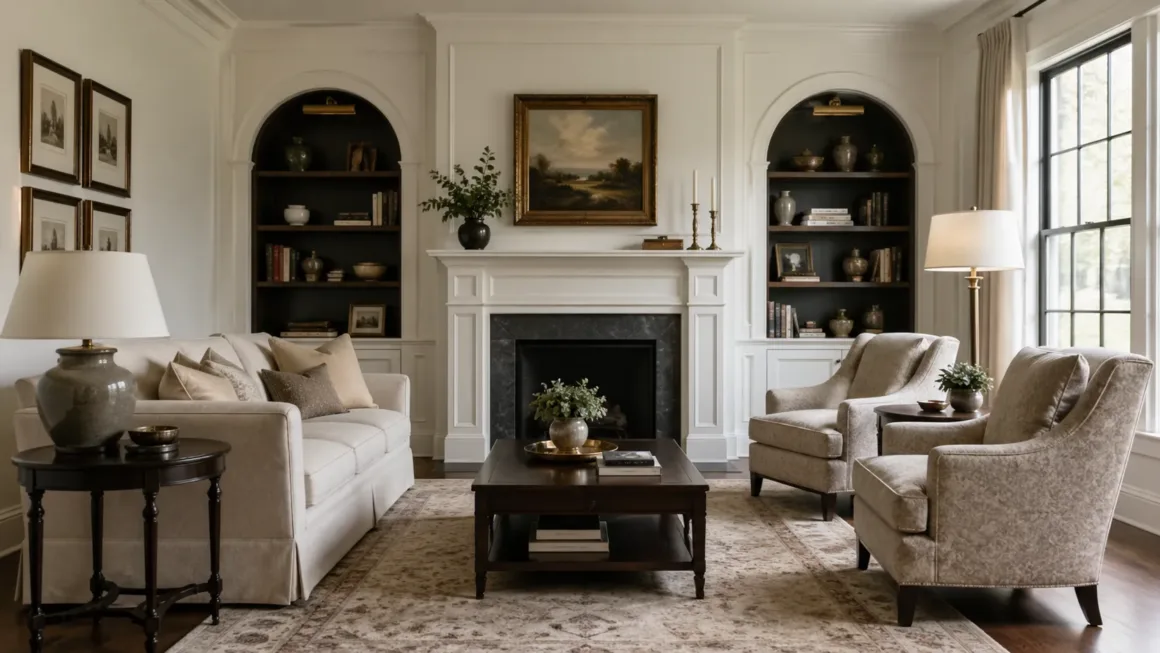
Traditional interiors rely on symmetry, predictable layouts, and respect for architectural elements—principles closely tied to classical design systems, proportion theory, and human-centered spatial planning.
These principles overlap with established design disciplines such as architectural composition, interior space planning, and material hierarchy—making traditional design less about style and more about system control.
This approach aligns closely with how flexible living room layouts prioritize circulation and structure before decoration.
Instead of overpowering a space, traditional design reinforces what’s already there—natural light, ceiling height, and built-in features.
In practical terms, this places traditional interior design closer to architectural planning than surface decoration, where layout logic, scale relationships, and material hierarchy define the outcome.
The First Consultation: How Decisions Actually Start
The first meeting isn’t about style—it’s about how the home functions.
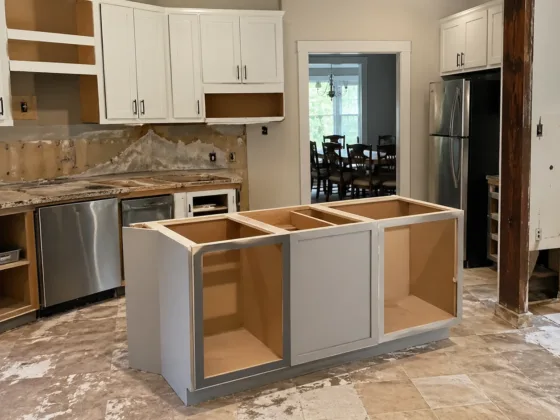
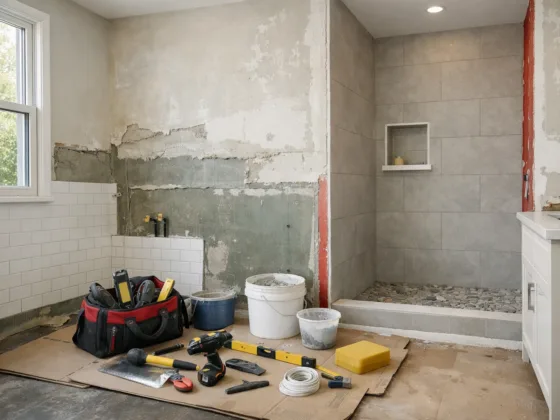
Designers evaluate how each room is used, where movement feels restricted, and which areas don’t support daily routines. This mirrors early-stage planning seen in kitchen remodeling decisions, where layout mistakes cost more than aesthetic ones.
By the end of this phase, the direction becomes clear: what stays, what changes, and what needs to be rethought entirely.
Building a Cohesive Plan (Where Most Projects Go Wrong)
A traditional interior plan isn’t a mood board—it’s a system.
Designers define layout, materials, color relationships, and furniture scale all at once. If one element feels off, the entire room loses balance.
A cohesive plan depends on proportion, material balance, and how each element relates to the overall space. This structure becomes easier to recognize when you look at complete projects instead of isolated design ideas.
One way to understand how this approach works in practice is by reviewing a traditional interior design portfolio, where scale, symmetry, and material consistency are applied across entire homes—not just individual rooms.
Looking at multiple rooms built within the same system makes it easier to see how small decisions—like furniture scale or material choice—affect the overall balance.
This is where traditional design separates itself from trend-driven spaces often seen in modern remodeling trends, where visual impact sometimes overrides long-term usability.
Neutral palettes—warm whites, muted blues, soft grays—are used as a base, not because they’re “safe,” but because they allow materials and proportions to carry the design.
This is also where most DIY-designed spaces break down—decisions are made piece by piece, without a system to hold them together.
Furniture Selection: Why Quality Matters More Than Style
Traditional interiors depend heavily on furniture that holds its presence over time.
Instead of filling a room quickly, designers focus on fewer, better pieces—custom builds, vintage items, or well-crafted furniture that won’t feel outdated in a few years.
This decision process reflects the same thinking behind long-term property value planning, where durability and timeless appeal matter more than fast upgrades.
Why Texture Matters More Than Color
Without texture, traditional spaces feel flat—even with the right colors.
Designers layer materials deliberately: wood, fabric, upholstery, and rugs. The variation stays subtle but consistent across the space.
This layered approach follows the same system logic used in eco-friendly interior design, where materials define the experience more than decorative elements.
Lighting: The Most Underrated Structural Element
Lighting isn’t decorative—it’s structural.
Traditional interiors use layered lighting to control how a room feels throughout the day—not just how it looks in a single moment.
This kind of layered lighting approach is often overlooked in renovation planning, even though it directly affects how a space is experienced after completion.
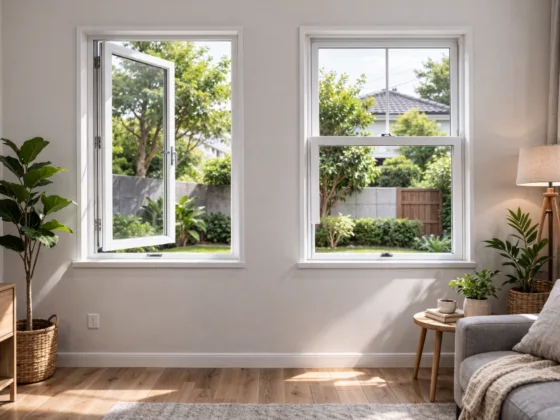
Natural light is handled carefully—not simply maximized—because too much brightness can flatten textures and remove depth.
What Collaboration Actually Looks Like
A designer doesn’t just suggest ideas—they manage the execution.
This includes sourcing materials, coordinating timelines, and resolving issues before they affect the overall design. The homeowner stays involved in decisions, but not in the operational complexity.
The Final Result: Why It Feels Different
A finished traditional interior rarely feels “new.” It feels settled.
That’s intentional. Every element—layout, furniture, materials—works together without drawing attention to itself.
Why Traditional Design Still Holds Its Value
Traditional design holds up because it removes the need to constantly update a space just to keep it relevant.
Homes built on proportion, material quality, and functional layout don’t need constant updates. They age naturally, without feeling outdated.
Final Thoughts
Working with a traditional interior designer is less about decoration and more about decision discipline.
When layout, material, and proportion are handled correctly from the start, the space doesn’t need constant correction—it simply works, year after year.
FAQ
What does a traditional interior designer actually do?
A traditional interior designer controls layout, material selection, proportion, and lighting to create a cohesive and long-lasting space. The focus is on structure first, then style, ensuring the home remains functional and visually balanced over time.
How is traditional interior design different from modern design?
Traditional design prioritizes symmetry, proportion, and long-term usability, while modern design often focuses on trends and visual impact. Traditional spaces are built to remain consistent and functional over time.
Is hiring a traditional interior designer worth it?
It becomes valuable when you want a space that doesn’t require constant updates or redesign. A structured design approach reduces long-term costs and avoids mismatched decisions.
Why do some interior designs feel outdated quickly?
Many interiors are built around trends rather than structure. Without a consistent layout and material system, spaces lose coherence as styles change.
Author & Editorial Review
Author: Perla Irish is a design and home living writer specialising in interior materials, furniture performance, and practical home decision-making. View her published work at Muck Rack.
Editorial Review: This article was reviewed by the HouseSumo Editorial Board to ensure clarity, neutrality, factual accuracy, and alignment with current home living practices. Content is evaluated for long-term usefulness and informational integrity rather than promotional intent.
Last updated: April 2026