In this article, we will discuss the process of water restoration, the methods used to remove standing water, the equipment used to dry out properties, and the costs associated with water restoration.
The first step in water damage restoration is to remove the standing water. Once it is gone, the restoration process is much easier. Once the standing water has been removed, you must start drying the property.
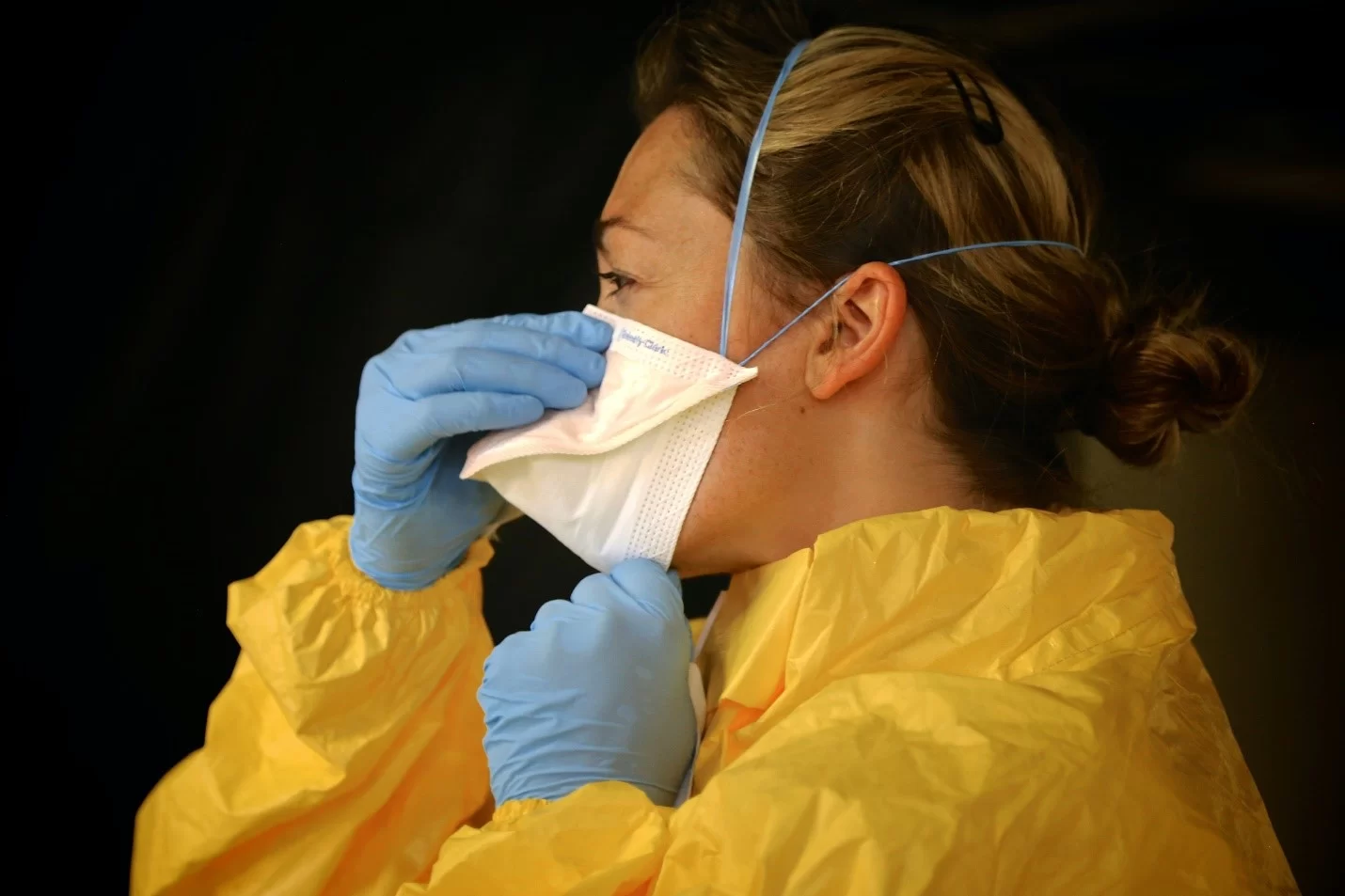
Process Of Removing Standing Water
Standing water is a serious problem that can make you vulnerable to disease, mold, and pests. Click here for more information about how mold can impact your health. Fortunately, there are ways to get rid of standing H20 in your yard.
The first step is to identify the source of the H20. Once you have located the source, you can use towels to absorb the moisture. You should avoid damaging any materials that may have been damaged by the standing H20.
The next step is to dry out the affected area. This can be done with proper ventilation and fans. Proper ventilation lowers the indoor relative humidity level and enables excess moisture to evaporate. It is also important to sanitize the area. This will prevent mold from growing or other contaminants from getting into the area.
The process of removing standing H20 involves the use of portable and truck-mounted extraction units. These units are basically big H20 vacuums. The H20 is then pumped outside to a suitable location or drained off-site. Hiring a water damage restoration company can help speed up the process of removing standing water and restoring your property to its pre-water damage state. The company will likely have specialized equipment and expertise to handle water damage efficiently and effectively.
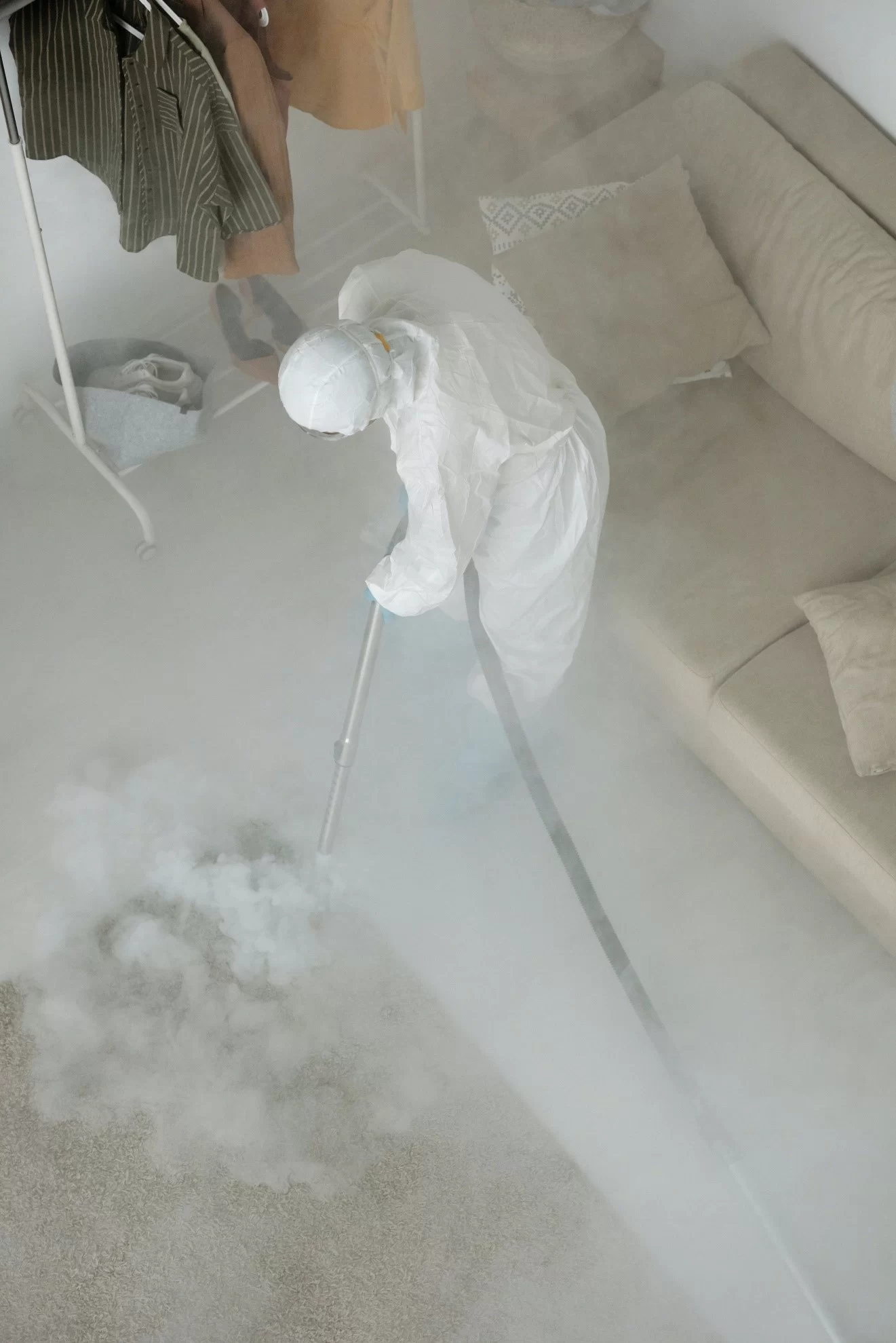
This step is essential because H20 trapped in walls can result in damage within a few hours. It can also cause electrical hazards and compromise structural integrity. Additionally, it can lead to the growth of black mold, which is potentially dangerous to human health.
When standing H20 is allowed to remain under a home, it can cause expensive damage and attract unwanted pests. Mold will thrive in moist areas, leading to an increase in allergic reactions and a higher risk of respiratory ailments.
The symptoms of mold exposure can include itchy and red skin, coughs, and wheezing. People with asthma or other respiratory conditions can be especially sensitive to mold and may experience serious problems.
Read Also:
Methods Of Drying Out a Property
Drying out a property after H20 restoration is an essential part of the H20 damage restoration process. A professional team of H20 damage restoration specialists will assess affected areas, collect H20, and then dry the property using advanced drying equipment.
Although standing H20 may appear dry, it is actually a sign of dampness and can slow down the drying process. It is essential to remove H20 as soon as possible with towels or a mop, and a shop vac can help to remove excess H20 from hard surfaces.
As water can cause irreparable damage to your property, you’ll want to remove water as quickly as possible. It will only worsen the damage the longer it sits.
Once water removal has been completed, a professional from Air Care & Restoration will conduct a more thorough inspection to determine whether structural elements need to be removed or replaced. The home is only safe when it passes inspection.
The drying process may be noisy and hot, so you should report any power outages to your damage restoration company. You should keep your property in a ventilated area until the drying process is complete. Restoration crews will visit your property periodically to check the progress of drying.
The drying process requires constant monitoring of moisture levels. Hygrometers and infrared cameras are helpful tools for determining the amount of water inside a property. They can also provide you with before and after images of wet areas to determine how well the drying process has worked.
Equipment Used in Water Damage Restoration
The liquid damage rehabilitation industry is comprised of many different pieces of equipment. For example, dehumidifiers are essential tools that professionals use to remove excess moisture.
A desiccant dehumidifier uses silica gel beads to absorb excess moisture from the air. It is important to use the right kind of dehumidifier for your liquid removal needs. Vacuum cleaners are also a key piece of liquid damage rehabilitation equipment.
A vacuum cleaner can collect standing liquid and transport it to liquid damage rehabilitation equipment like dehumidifiers, air scrubbers, and drying equipment.
A liquid pump is another piece of liquid damage rehabilitation equipment that professionals use. Liquid pumps can remove large amounts of liquid and remove debris.
High-volume pumps provide immediate liquid extraction and also remove mud, dirt, and debris. Moreover, they can help restore structural materials to pre-loss standards.
And sewage cleaning equipment is also a major piece of liquid damage rehabilitation equipment. These tools are essential in disaster rehabilitation.
Another important piece of liquid damage rehabilitation equipment is a dehumidifier. This tool measures moisture levels in a home or property and allows liquid rehabilitation technicians to remove any standing liquid.
Cost Of Water Damage Restoration
The cost of liquid damage restoration depends on several factors. These factors include the type of liquid, the extent of the damage, and the type of material used. As a result, the final cost can differ from the initial estimate. However, you should expect to pay at least $1,500 for the restoration process.
The most common cause of liquid damage is a burst pipe, and the repair costs will be high even if the leak was small. The cost of liquid damage restoration will increase substantially if the liquid gets onto the floor or surface.
However, if the liquid is small and just seeping into a wall or ceiling, it will be relatively easy to dry out. However, if it has spread and has caused extensive damage, you may need to hire a professional to assess the damage.
Liquid damage can cause structural damage, and it can also lead to mold growth. Unless properly removed, mold can grow unnoticed in hidden areas.
This can be a problem for months, if not years. Furthermore, mold spores can trigger allergic reactions. Repeated exposure to spores can aggravate the severity of such reactions.