• DIY
    • Crafts
      • Outdoors & Garden Projects
    • Decorating
      • Exterior Painting & Decorating
      • Painting & Wallpaper
      • Room by Room
    • Furniture
      • Cabinets
      • Tables
    • Woodworking
  • Home Improvement
    • Real Estate
    • Living
    • Entertaining
    • Home Building & Design
      • Home Interior
      • Home Exterior
    • Home Management
      • Home Organization
    • Remodeling
    • Living Areas
    • Bathroom
    • Kitchen
  • Lawn & Garden
    • Lawn Care
    • Vegetable Gardening
    • Landscaping
      • Irrigating
    • Flowers
    • Trees & Shrubs
  • Categories
    • Home Improvement
    • Lawn & Garden
    • Landscaping
    • Real Estate
Housesumo.com
  • DIY
    • Crafts
      • Outdoors & Garden Projects
    • Decorating
      • Exterior Painting & Decorating
      • Painting & Wallpaper
      • Room by Room
    • Furniture
      • Cabinets
      • Tables
    • Woodworking
  • Home Improvement
    • Real Estate
    • Living
    • Entertaining
    • Home Building & Design
      • Home Interior
      • Home Exterior
    • Home Management
      • Home Organization
    • Remodeling
    • Living Areas
    • Bathroom
    • Kitchen
  • Lawn & Garden
    • Lawn Care
    • Vegetable Gardening
    • Landscaping
      • Irrigating
    • Flowers
    • Trees & Shrubs
  • Categories
    • Home Improvement
    • Lawn & Garden
    • Landscaping
    • Real Estate
featured image - Installing Drywall in Your Home: Everything You Need to Know
  • Home Improvement

Installing Drywall in Your Home: Everything You Need to Know

  • Perla Irish
  • February 15, 2024
Total
2
Shares
2
0
0
0

Drywall installation is a fundamental aspect of home improvement projects, whether you are renovating a room or building a new structure. Often referred to as plasterboard or wallboard in the UK, drywall is a versatile and cost-effective option for creating smooth, durable walls and ceilings.
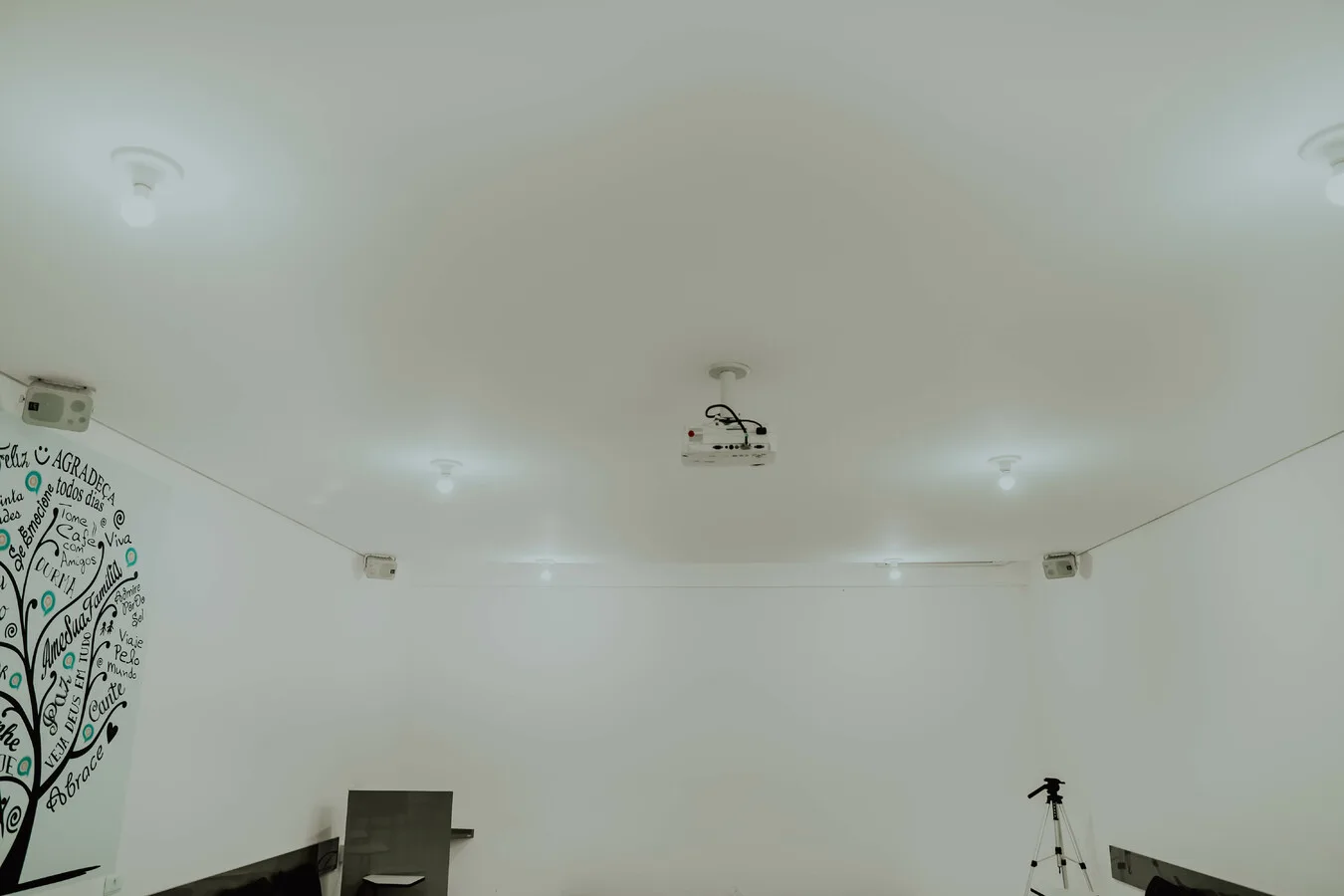
image - Drywall

While hiring a professional is always an option, many homeowners prefer the satisfaction and cost savings of tackling drywall installation themselves. This guide will cover everything you need to know about DIY installing drywall in your home to help you decide whether you are up to the task.

Understanding Drywall

Drywall is composed of gypsum plaster sandwiched between two layers of paper. It comes in various thicknesses, typically ranging from 9mm to 15mm, with the latter being more common for walls. Understanding the different types of drylining available can help you choose the most suitable option for your project, and some of the options available are listed below:

  1. Standard Drywall: Suitable for most interior walls and ceilings.
  2. Moisture-Resistant Drywall: Ideal for moisture-prone areas, such as bathrooms and kitchens.
  3. Fire-Resistant Drywall: Provides enhanced fire protection and is required in specific building regulations for certain areas.
  4. Soundproof Drywall: Offers improved sound insulation and is beneficial for reducing noise transmission between rooms.

Tools & Materials

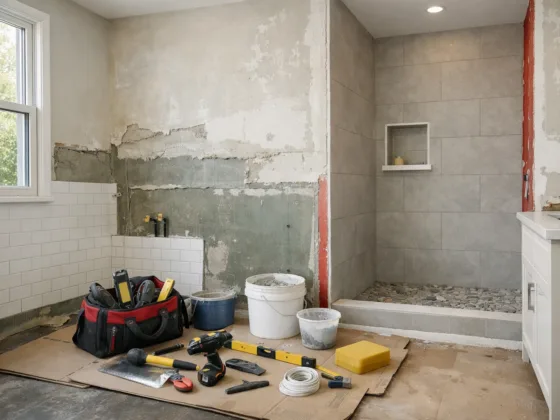
Before you begin, you must gather the necessary tools and materials first, and the things you will need are as follows:

  • Drywall Sheets
  • Drywall Screws
  • Joint Tape
  • Joint Compound (also known as mud)
  • Corner Beads
  • Drywall Saw or Utility Knife
  • Drywall Screw Gun or Drill
  • T-Square
  • Joint Knife
  • Sanding Block or Sandpaper
  • Dust Mask
  • Safety Goggles

Shopping around for the necessary tools, equipment, and materials before installing your drywall can help you save money. You might also be lucky and know somebody who can lend you some of what you need, providing you with further savings.

Preparing the Space

Start by clearing the area where you will be installing the drywall. Remove any existing wall coverings, nails, or screws, and ensure the framing is in good condition. Inspect any electrical or plumbing fixtures that need to be relocated or adjusted.

Measuring & Cutting

Measure the dimensions of the walls and ceiling precisely, accounting for any openings such as doors and windows. Transfer these measurements to the drywall sheets and use a drywall saw or utility knife to cut them to size. Remember to mark the location of electrical outlets and switches on the drywall for cutting out later.

Installation

With the drywall sheets cut to size, it’s time to install them. Begin with the ceiling if applicable, as it’s typically the most challenging part of the process. Use a T-square to ensure the sheets are aligned correctly and use a drywall screw gun or drill to attach them to the studs, placing screws every 6 to 8 inches along the edges and every 12 inches in the field.

Once the ceiling is in place, move on to the walls, starting from one corner and working your way across. Remember to leave a small gap, approximately 5mm, between the sheets and the floor to allow for expansion. Use a drywall rasp or sandpaper to smooth any rough edges for a seamless finish.

Taping & Mudding

Once all the drywall sheets are installed, it’s time to tape and mud the joints to create a smooth surface. Apply joint tape to the seams, pressing it firmly into the compound using a joint knife. Cover the joint tape with a thin layer of joint compound, feathering the edges to blend it seamlessly with the drywall surface. Allow the compound to dry completely before sanding it smooth.

Adding Corner Beads

Corner beads are metal or plastic strips that reinforce the corners of the drywall, preventing them from denting or chipping. Install corner beads on all outside corners using drywall screws or nails, ensuring they are straight and securely attached.

Sanding & Finishing

Once the joint compound is dry, smooth the surface using a sanding block or sandpaper. Wear a dust mask and safety goggles to protect yourself from airborne particles. After sanding, clean the walls and ceiling of dust using a damp cloth or sponge, and use a vacuum cleaner to help with the rest of the room.

Priming & Painting

Before painting, you must prime the drywall to seal the surface and ensure the paint adheres correctly. Choose a primer suitable for drywall and apply it evenly using a paint roller or brush. Once the primer is dry, you can paint the walls and ceiling in your desired color.

DIY installing drywall in your home can be a rewarding and cost-effective way to improve your living space. Remember to work safely and patiently, and do not hesitate to seek advice or assistance if you encounter any challenges. With the right tools, materials, and know-how, you can successfully tackle drywall installation and enjoy the satisfaction of a job well done.


0
0
2
0
Total
2
Shares
Pin it 2
Share 0
Tweet 0
Share 0
Share 0
Related Topics
  • ceiling
  • corner
  • drywall
  • sanding
  • sheets
  • walls
Previous Article
Featured image - How to Install a Smart Thermostat at Home
  • DIY
  • Home Improvement

How to Install a Smart Thermostat at Home

  • Perla Irish
  • February 14, 2024
View Post
Next Article
featured image - Inviting Exteriors: a Guide to Designing Functional Outdoor Spaces
  • Flowers
  • Landscaping
  • Lawn & Garden

Inviting Exteriors: a Guide to Designing Functional Outdoor Spaces

  • Perla Irish
  • February 16, 2024
View Post

You May Also Like

Close-up of a pro plasterer applying Venetian plaster with a steel trowel while a homeowner watches in a modern living room
View Post
  • Decorating
  • DIY
  • Home Improvement
  • Home Interior
  • Painting & Wallpaper

Venetian Plaster Technique: Step-by-Step Guide to Luxurious, Marble-Look Walls

  • Perla Irish
  • December 9, 2025
Stamped decorative concrete patio with warm stone pattern, outdoor dining set, lounge chairs, and planting beds in a cosy backyard at golden hour.
View Post
  • DIY
  • Home Exterior
  • Home Improvement
  • Landscaping
  • Lawn & Garden

Reasons to Use Decorative Concrete for Your Patio

  • Perla Irish
  • December 9, 2025
Modern beige bathroom with floating wooden vanity, LED mirror, heated towel rail, built-in shelving and a freestanding tub
View Post
  • Bathroom
  • Decorating
  • DIY
  • Home Improvement
  • Room by Room

Functional Bathroom Décor: Pieces That Look Good and Work Hard

  • Perla Irish
  • December 4, 2025
Couple reviewing kitchen remodel plans on a tablet in a newly renovated soft-modern kitchen with light oak island, quartz countertops, creamy cabinets, and pendant lighting.
View Post
  • DIY
  • Home Improvement
  • Kitchen
  • Remodeling

The Complete 2026 Kitchen Remodeling Guide: New Trends, Updated Costs, Layout Innovations & Smart Design Strategies

  • Perla Irish
  • December 4, 2025
Suburban two-story home with a backyard in-ground pool and patio dining area on a clear summer day
View Post
  • DIY
  • Home Improvement
  • Real Estate

Is a Pool in a Cold Climate a Smart Move When You’re Buying a House?

  • Perla Irish
  • December 3, 2025
Detached backyard ADU under construction with concrete foundation and exposed wood framing behind a single-family home.
View Post
  • DIY
  • Home Improvement
  • Real Estate

ADU Structural Requirements: Foundations, Framing, and Permits Explained

  • Perla Irish
  • November 15, 2025
Open-concept kitchen and living room after kitchen wall removal, with structural beam, island seating, and continuous wood flooring
View Post
  • DIY
  • Home Building & Design
  • Home Improvement
  • Kitchen
  • Remodeling

How to Open Up the Space Between a Kitchen and Living Room

  • Perla Irish
  • November 14, 2025
Bright neutral living room in a simple home transformed into a luxurious abode, with a large area rug, modern sofa, layered lighting, linen curtains and brass accents.
View Post
  • Decorating
  • DIY
  • Home Improvement
  • Home Renovation
  • Remodeling
  • Room by Room

Transform Simple Homes Into Luxurious Abodes (2025 & Beyond)

  • Perla Irish
  • November 13, 2025

Join 13,000 folks!

Get instant access to our weekly newsletter where we share the best! 100% Privacy. No Spam.

  • Disclosure & Affiliate Policy
  • Privacy Policy
  • Terms of Use
  • About
  • Sitemap
  • Contact Us

Input your search keywords and press Enter.