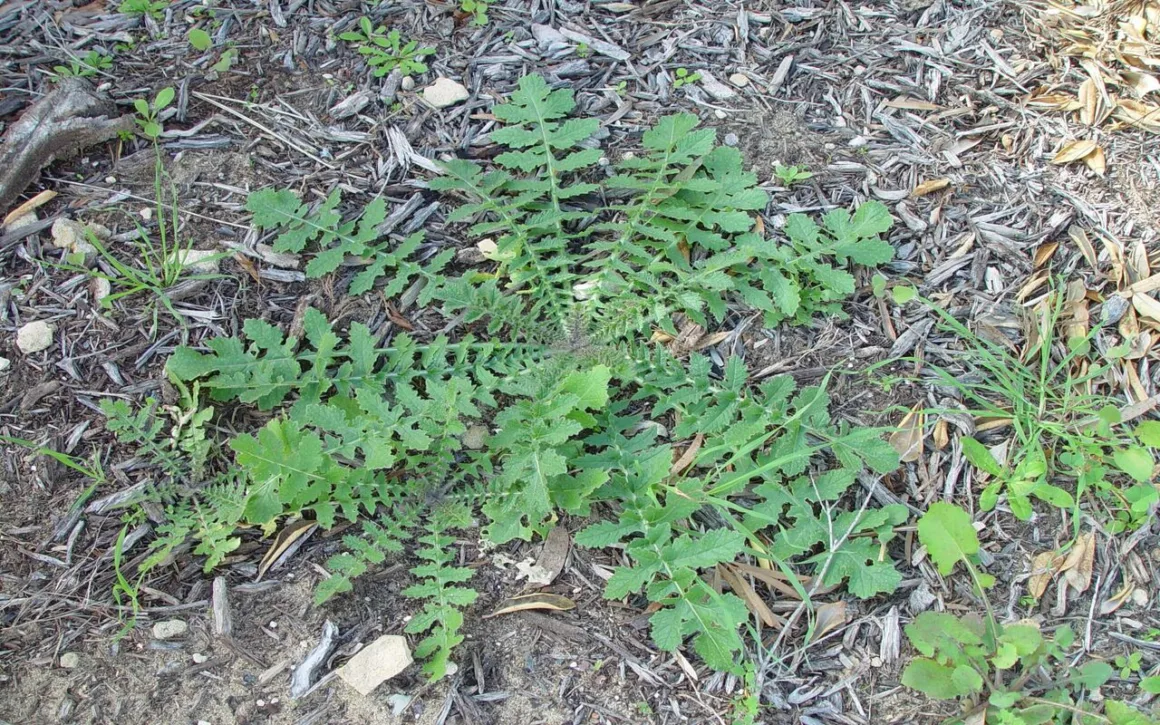
Are you looking out for weed control and not able to settle down on the best option. Are you planning for the best ways so that you can enjoy the best harvest?
Let us get to know about the best ways that you must follow for lawn and landscape maintenance.
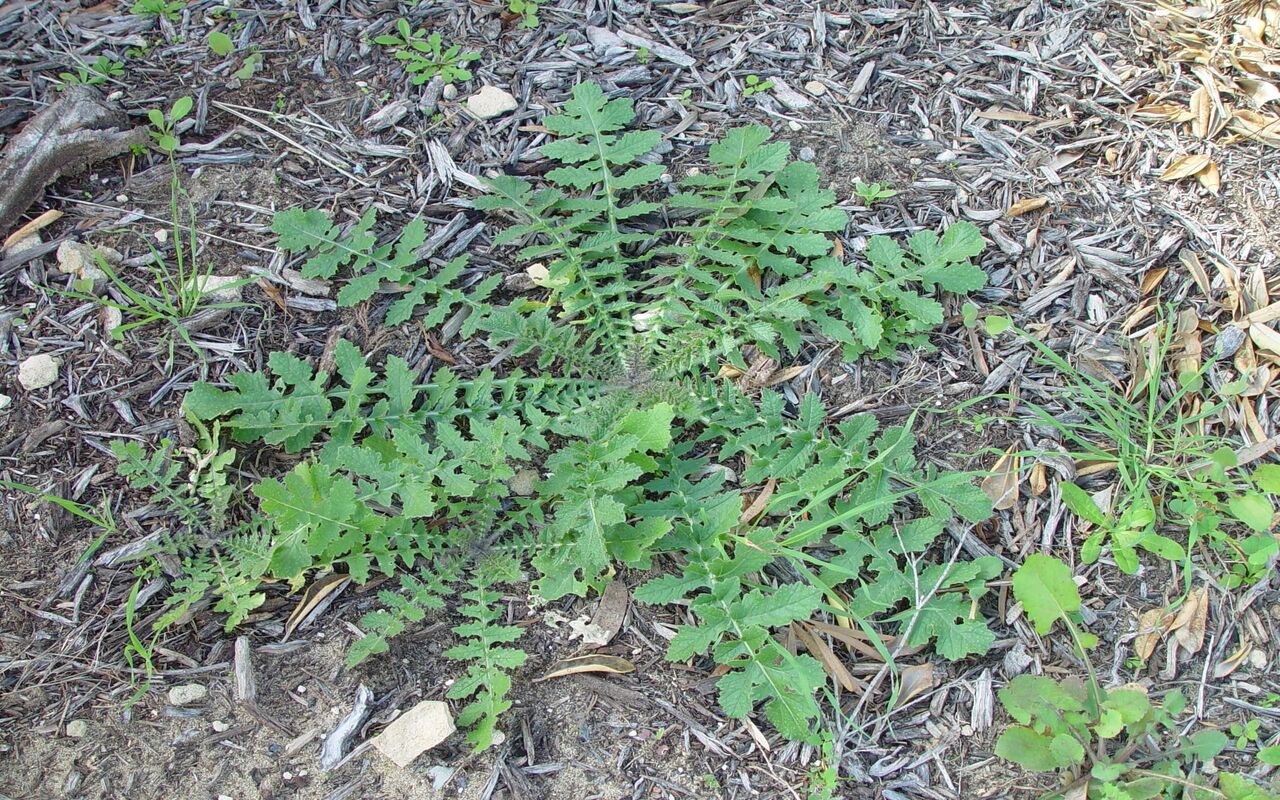
Here are four steps to stop them in their tracks if weeds are starting to overturn your turf:
- To find out what weeds you’re dealing with, inspect your lawn. Since treatments are made to target particular weeds, before buying items, you’ll need to find out what’s infesting your lawn.
- Choose a treatment made for both the type of weeds and the process in which they are. You’ll need a pre-emergent if you intend to shoot weeds in spring before the growing season. Get a post-emergent one for existing weeds.
- By following carefully, the guidelines for both how much substance to add and what to use, kill the weeds. Read your bag at least three times until it’s safe to start!
- To help keep your lawn weed-free, keep up with a proper lawn maintenance schedule.
- Seed your grass in the fall and aerate it if necessary.
- Give your turf one last short mow and treatment for fertilization before winter.
- Come spring, start fresh with any lingering weeds with pre-emergent and handpick.
- In spring and summer, mow your lawn regularly, taking care not to remove more than a third of the grass at a time.
By keeping the soil cool and moist and depriving weeds of light, mulch supports plants. In particular, organic mulches will actually host crickets and carabid beetles, which seek out thousands of weed seeds and devour them.
Read Also:
- Artificial Grass or Real Grass? You Might Change Your Mind After Reading This
- Best Way to Keep Weeds From Growing Between Pavers and Cracks
- Strategies for Getting Rid of Weeds in the Best Possible Manner
- How to Make My Own Pet Safe Lawn Care Products
- How to Maintain a Beautiful Weed Free Lawn?
- 5 Exotic Designs to Reincarnate Your Lawn
Mulch and Mulch Some More
Any light passes through chunky mulches, and you would always find that the mulch you were using was laced with weed seeds, too late.
To keep it around 2 inches deep (more than 3 inches deep will deprive the soil of oxygen), it is important to replenish the mulch as required.
In any case, by covering the surface of the soil with a light-blocking sheet of cardboard, newspaper, or biodegradable cloth, you can set the weeds back and then spread prettier mulch over it.
Landscaping
For the light-blocking bottom layer, opt for tough landscape fabric if you want to use this approach on rarely-dug areas, such as the root zones of shrubs and trees.
However, there is a catch: as soon as ample organic matter accumulates on the landscape fabric, it will begin to grow weed seeds dropped by birds or carried into the wind.
These must be pulled until their roots sink through and into the ground in order for the bottom layer of fabric to be successful.
Keep the Weather in Check
When facing down weeds, the old saying ‘Pull when wet; hoe when dry’ is wise advice. After a drenching rain, by equipping yourself with gloves, a sitting pad, and a trug or tarp to collect the corpses, stage a rewarding weeding session.
Slip an old table fork into your back pocket as you head out the door because there is nothing better for twisting out henbit or chickweed tendrils. Using a fishtail weeder to pry up tap-rooted weeds, such as dandelion or dock, while going after larger thugs.
Weeds cut off just below the soil line promptly shrivel up and die under dry conditions, particularly if your home has a sharp edge. Use an old steak knife in mulched beds to sever weeds from their roots, then patch any open spaces left in the mulch.
Cut Off the Heads
The next best thing when you can’t remove weeds is to cut their heads off. With annual weeds, a few weeks before the weed “crop rain” starts, dead-heading buys you.
Cutting back the tops of perennial weeds, such as bindweed, decreases reseeding and causes them to use reserves of food and exhaust their root bud supply, thus restricting their spread.
In order to take down towers of ragweed or poke, you will need pruning loppers, or you can move up to a string trimmer fitted with a blade attachment to hack prickly thistles or brambles down to nubs.
Chopping down weeds until they go to seed will help prevent them from spreading, no matter which approaches you to use.
Keep Proper Space
Near plant spacing, by shading the soil between plants, chokes out emerging weeds. By designing with mass plantings or in drifts of closely spaced plants rather than with polka dots of widely spread ones, you will eliminate weed-friendly gaps from the get-go. Usually from the suggested spacing, you can shave off about 25 percent.
However, most spacing recommendations are focused on the premise that adjacent plants can barely touch when they reach mature size, so stick to the guidelines when dealing with foliar disease-prone plants, such as bee balms.
Conclusion
These are some of the steps under lawn and landscape maintenance that you must follow when it comes to getting rid of weed and enjoy a great harvest without any hassles.