• DIY
    • Crafts
      • Outdoors & Garden Projects
    • Decorating
      • Exterior Painting & Decorating
      • Painting & Wallpaper
      • Room by Room
    • Furniture
      • Cabinets
      • Tables
    • Woodworking
  • Home Improvement
    • Real Estate
    • Living
    • Entertaining
    • Home Building & Design
      • Home Interior
      • Home Exterior
    • Home Management
      • Home Organization
    • Remodeling
    • Living Areas
    • Bathroom
    • Kitchen
  • Lawn & Garden
    • Lawn Care
    • Vegetable Gardening
    • Landscaping
      • Irrigating
    • Flowers
    • Trees & Shrubs
  • Categories
    • Home Improvement
    • Lawn & Garden
    • Landscaping
    • Real Estate
Housesumo.com
  • DIY
    • Crafts
      • Outdoors & Garden Projects
    • Decorating
      • Exterior Painting & Decorating
      • Painting & Wallpaper
      • Room by Room
    • Furniture
      • Cabinets
      • Tables
    • Woodworking
  • Home Improvement
    • Real Estate
    • Living
    • Entertaining
    • Home Building & Design
      • Home Interior
      • Home Exterior
    • Home Management
      • Home Organization
    • Remodeling
    • Living Areas
    • Bathroom
    • Kitchen
  • Lawn & Garden
    • Lawn Care
    • Vegetable Gardening
    • Landscaping
      • Irrigating
    • Flowers
    • Trees & Shrubs
  • Categories
    • Home Improvement
    • Lawn & Garden
    • Landscaping
    • Real Estate
Featured of Pocket Hole Joinery Basics for Woodworking
  • Woodworking
  • DIY
  • Home Improvement

Pocket Hole Joinery Basics for Woodworking

  • Perla Irish
  • January 24, 2019
Total
2
Shares
2
0
0
0

Pocket hole joinery is a convenient and important technique in woodworking. This method has made the work of joining pieces of wood together easy without any complications. So, what is a pocket hole joinery actually?

Well, it means a hole drilled at a certain angle usually 15 or 20 degrees that form a pocket for the screw. That piece is then joined to another workpiece with a self-tapping screw. The technique is somewhat like drilling a toenail but more precise.
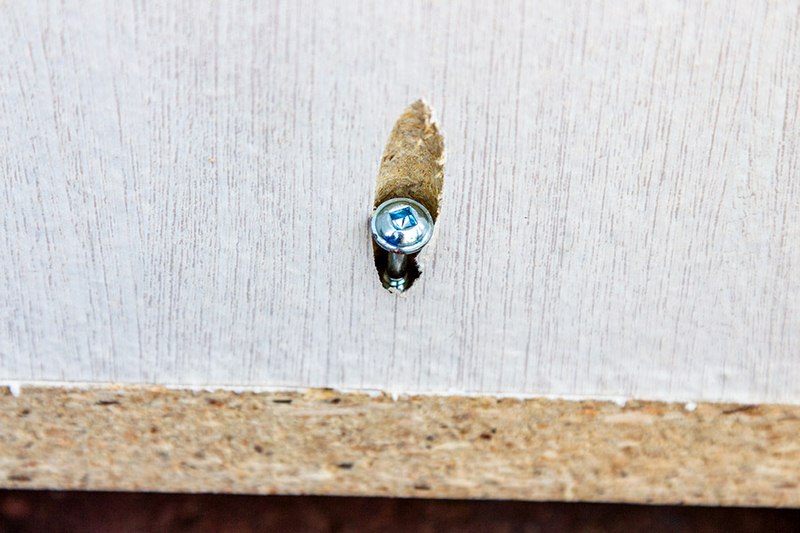
Pocket Hole Joinery Basics for Woodworking
Pocket Holes

Pocket Hole Joinery Basics for Woodworking

Whether you are a DIY enthusiast or a professional carpenter, making pocket holes perfectly is a necessity.


Read Also:

  • Interesting Particulars to Learn about Woodworking and Carpentry
  • Wood Fences vs. Vinyl Fences: Which are Cheaper and Why
  • The Art of Matching Joinery: DAKO’s HarmonyLine

How is it Done?

When making pocket holes, the screw should be drilled at such an angle that it goes into the face grain of each board. This position helps the screw to get a better grip and position on the wood pieces.

 In order to make perfect pocket holes, it’s always better to use a jig that will help to guide a stepped drill into the workpiece. A jig has 3 holes which are set apart from each other so that you can use them to decide how much gap you want between the holes.

You have to match the drill bit guide to match the thickness of the board. With the help of the adjustable collar, set the drill bit. Use a clamp to hold your wood piece securely and drive a hole. Now, align the pieces that have to be joined, clamp them and drive the screws into the pocket holes. Your workpiece is ready.

Once you are done you might find that the pocket holes are still visible which doesn’t look appealing at all. Except they were made on the underside of tables or behind cabinets.

So, to give your workpiece some finishing touch, you can plug in the holes with some pre-made wood plugs that are easily available. Just glue them in the hole and sand flush them. If the surface is painted then they won’t even be visible.

Now, there are a few basic things that you should know about pocket hole joinery.

Easy and Affordable

This technique is very easy to learn and master. It’s not rocket science or filled with lots of technical equipments. You just have to do two things – drill a pocket hole and fit the screw.

The tools required for this kind of work is cheap and affordable and won’t burn a hole in your pocket. You will need a good quality jig to work with, pocket screws, clamps and a drill bit. Look at this site for reviews and guides on pocket jigs.

Speed and Precision

Making pocket holes is so easy that it helps to get your work done fast. Along with that they are very precise and give a professional finish to your work.

Uses

Well, pocket holes can be used for partitions, drawers, cabinets, face frames, bookshelves, tables and chairs any many more.

Durable

Pocket joints are strong and can go a long way in giving your wood work a long lifespan. The joints won’t come off easily with regular wear and tear. If they are glued then they won’t even get loose after absorption of moisture.

Right Equipments

Having a jig will make your job much easier. The most popular Jigs are from Kreg’s. They are easy to use and set up. A jig will help you to make your holes at correct angles instead of drilling them in a wrong way and spoiling the lumber.

The screws used are also important. Pocket screws have a wide head that rests on the top of the hole and they have a rigged surface only at the end. The neck of the screw is smooth so that it can easily be screwed into the wood without tearing the piece.

Another equipment that is important is called pocket hole’s stepped drill bit. They equipped with a narrow tip which guides the screw. The hole created by the screw can be closed using a wood plugs.

Clamps are also important so that you can hold your workpiece in one place while drilling

So, you see with the proper equipments and a little bit of practice, you can easily master this technique of Pocket hole joinery. You can also watch a few youtube videos and get started. And once you get used to making perfect pocket holes, you will be able to give a professional look to your DIY projects.

0
0
2
0
Total
2
Shares
Pin it 2
Share 0
Tweet 0
Share 0
Share 0
Related Topics
  • DIY Project
  • woodworking tips
Previous Article
Featured of How to Modernise Your Property on a Budget
  • Home Renovation
  • DIY
  • Home Improvement

How to Modernise Your Property on a Budget

  • Perla Irish
  • January 24, 2019
View Post
Next Article
Featured of What is a Strata Scheme and How Does it Work
  • Home Building & Design
  • DIY
  • Home Improvement

What is a Strata Scheme and How Does it Work?

  • Perla Irish
  • January 24, 2019
View Post

You May Also Like

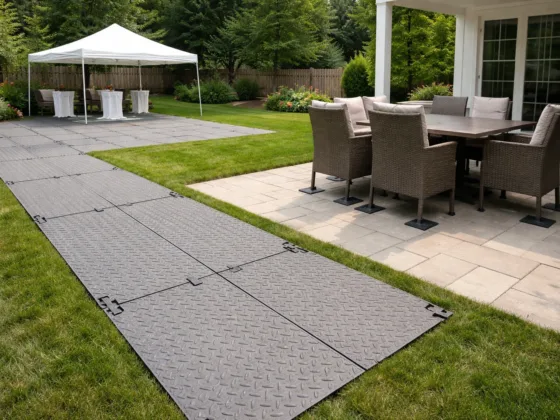
Temporary ground protection panels installed over lawn beside a residential patio to prevent surface damage during an outdoor event
View Post
  • Lawn & Garden
  • Lawn Care

How to Protect Your Lawn and Outdoor Surfaces During Events (Before Damage Sets In)

  • Perla Irish
  • February 23, 2026
Side-by-side comparison of casement and double hung windows in a modern home interior
View Post
  • Remodeling

Replace Casement Window with Double Hung? Structural & Code Impacts

  • Perla Irish
  • February 20, 2026
New residential asphalt driveway with smooth surface and landscaped edges
View Post
  • Home Improvement

Asphalt Driveway Advantages vs Concrete: Cost, Lifespan & Structural Value

  • Perla Irish
  • February 20, 2026
Modest kitchen with wood-look faux butcher block countertop
View Post
  • Kitchen

DIY Faux Butcher Block Countertops: Cost, Durability & Long-Term Reality

  • Perla Irish
  • February 14, 2026
Modular furniture components arranged as an adaptive interior system rather than fixed standalone pieces.
View Post
  • Furniture

Modular Furniture Beyond Sofas: Designing Interiors That Adapt Over Time

  • Perla Irish
  • January 27, 2026
Flexible living room interior layout illustrated as a system, showing modular seating, storage, and furniture arranged for long-term adaptability rather than fixed styling.
View Post
  • Home Interior

Flexible Living Room Layouts: Designing Spaces That Adapt Over Time

  • Perla Irish
  • January 26, 2026
Neutral living space illustrating eco-friendly interior design through flexible layout and long-term adaptability.
View Post
  • Home Interior

Transforming Your Home With Eco-Friendly Interior Design

  • Perla Irish
  • January 26, 2026
Illustration showing a neutral living room layout with abstract seating zones and circulation space.
View Post
  • Furniture

What Is a Modular Sofa and Why It Works for Modern Living Rooms

  • Perla Irish
  • January 21, 2026

Leave a Reply Cancel reply

Your email address will not be published. Required fields are marked *

Join 13,000 folks!

Get instant access to our weekly newsletter where we share the best! 100% Privacy. No Spam.

  • Disclosure & Affiliate Policy
  • Privacy Policy
  • Terms of Use
  • About
  • Sitemap
  • Contact Us

Input your search keywords and press Enter.