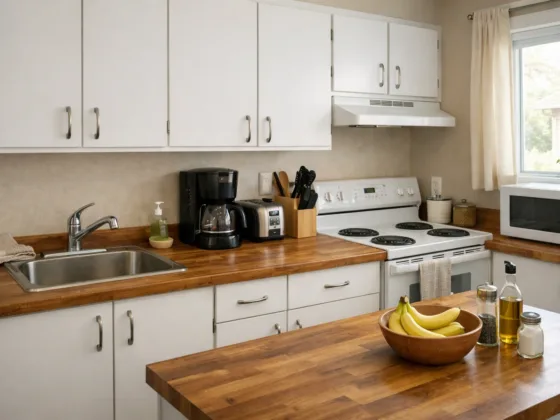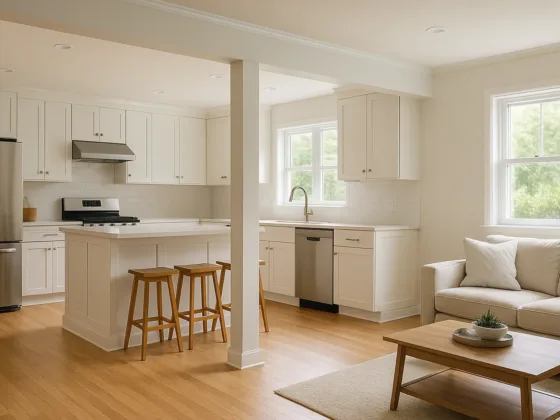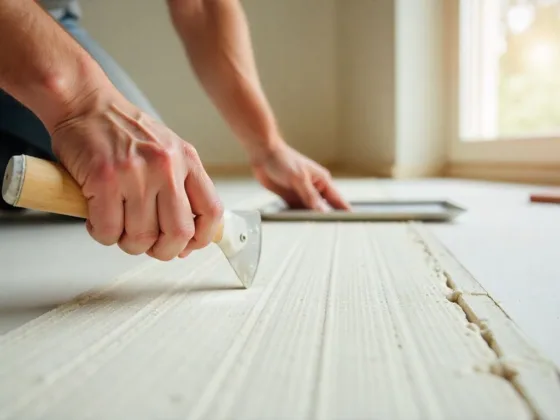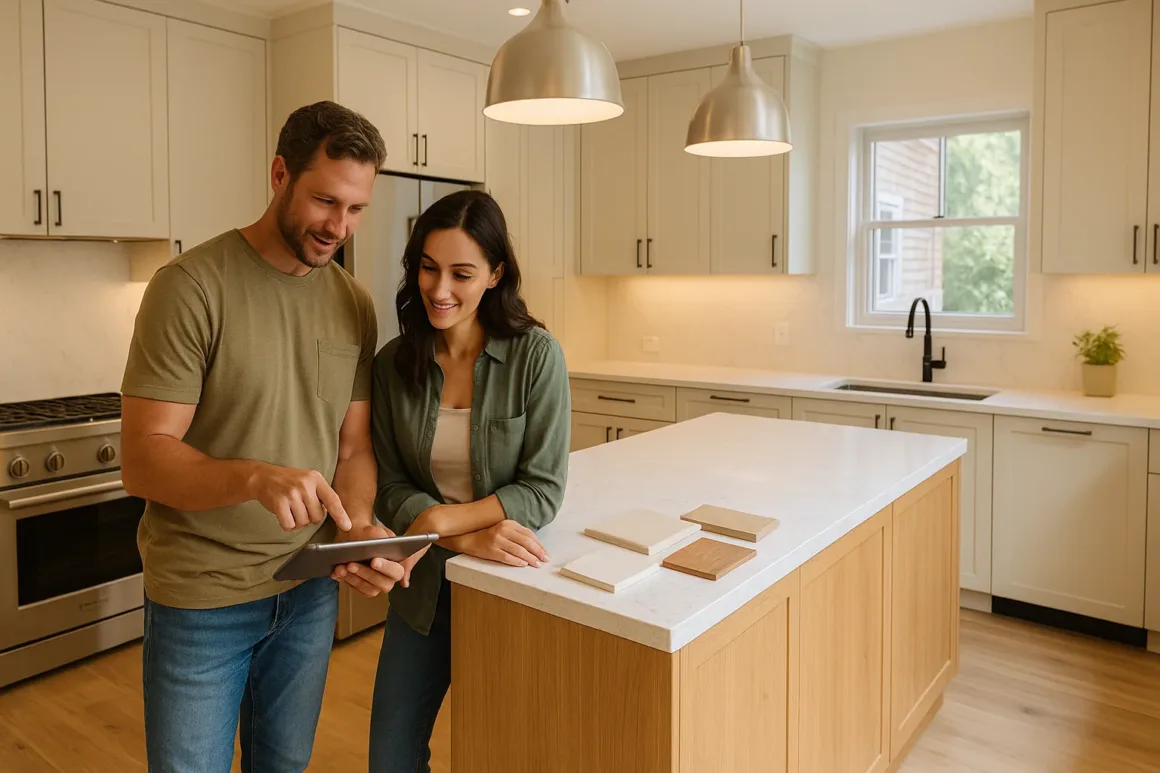
Quick answer: In 2026, a small kitchen remodel usually runs around $19,000–$38,000, mid-range projects often fall between $32,000–$68,000, and large or luxury remodels can climb well above $135,000. Those ranges come from recent national cost surveys and real contractor bids, not just wishful thinking.
Most homeowners see the best return when they focus on layout, storage, lighting, and energy-efficient appliances instead of trying to splurge on every high-end upgrade. Design-wise, warm wood tones, soft neutrals, full-height slab backsplashes, mixed materials, and smarter cooking with induction and connected appliances are shaping this year’s kitchens. The projects that go smoothly usually follow a simple playbook: set clear goals, build a realistic budget, refine the layout around how you live, choose cabinets and appliances early, then let an experienced contractor coordinate the trades, permits, and inspections.
The kitchen has changed more in the past few years than in the entire previous decade. It’s no longer just where dinner happens. For a lot of households, it’s where you jump on a quick video call, help with homework, share a drink with friends, and charge every device in the house.
A well-planned kitchen remodel is still one of the smartest upgrades you can make. Done right, it makes daily life easier and helps your home stand out when it eventually hits the market.
In this 2026 guide, we’ll walk through:
- Current kitchen design and layout trends (what’s actually sticking)
- Updated cost ranges and what really drives the budget
- Planning rules that keep your kitchen comfortable to use
- Cabinet, countertop, backsplash, flooring, and appliance ideas
- Smart and sustainable upgrades that are worth it for most homes
- Common mistakes that frustrate homeowners years later
- When to bring in a professional contractor or designer
Along the way, we’ll point to related HouseSumo resources so you can dive deeper into planning, budgeting, and the “should we really do this?” decision.
⭐ Why Kitchen Remodeling Is Still a Top-Tier Upgrade in 2026
Even in a cooler housing market, a thoughtful kitchen remodel carries a lot of weight. You feel the impact every time you cook, entertain, or just grab coffee in the morning. Buyers notice it instantly in listing photos and walk-throughs.
1. Your Lifestyle Has Changed – Your Kitchen Should Too
Most kitchens built 15–25 years ago weren’t designed for hybrid work, weekly meal prep, and kids doing homework at the island. Today, the same room has to handle:
- Quick video calls while dinner simmers
- Batch cooking and freezer meals
- Game nights and casual get-togethers
- Homework and crafts at the table or island
- Charging phones, tablets, and laptops
If your current layout forces you to dance around open dishwasher doors, shuffle stools just to open the fridge, or prep on a tiny patch of counter, you feel that friction every single day. A remodel is your chance to fix those pain points instead of just changing the color of the cabinets.
For a bigger-picture look at why homeowners remodel in the first place, you can also read Reasons for Renovating or Remodeling Your Home (2025 Guide).
2. Buyers Still Expect a Modern, Move-In-Ready Kitchen
Scroll through any major listing site, and you’ll notice something: the kitchen almost always gets prime placement in the photo carousel. A bright, updated kitchen suggests the home has been looked after. An obviously dated one can make the rest of the house feel tired, even if the bones are good.
That doesn’t mean you need a chef’s kitchen to get a good result. Often, a well-planned mid-range remodel with improved layout, decent storage, modern lighting, and fresh surfaces delivers far better value than overspending on every premium option.
3. Smart, Efficient Appliances Are the New Baseline
Older fridges, ranges, and dishwashers may still “work,” but they often use more energy and lack the safety and convenience features people now expect.
- Induction cooktops heat pans quickly and precisely, without open flames.
- ENERGY STAR® refrigerators and dishwashers run more efficiently than older models.
- Smart ovens help you avoid guesswork, especially for complex recipes.
Those upgrades are not just about gadgets. They can lower utility bills, make the kitchen safer for kids and older adults, and help your home feel up-to-date for the next decade.
4. The Kitchen Is Now a Design Anchor
In most modern homes, the kitchen is a visual anchor. Warm cabinets, layered lighting, and natural textures are replacing the cold, all-white look. Buyers and guests notice if the kitchen feels like the “old part” of the house while everything else has been updated.
To see where the design world is leaning, you can compare this guide with Top Kitchen Design Trends for Your Remodel before you lock in finishes.
⭐ 2026 Kitchen Design Trends (Without the Hype)
You don’t have to chase every trend. The goal is to borrow what fits your home and your taste, then ignore the rest. The ideas below are showing up repeatedly in real projects and designer surveys, which means they’re likely to stick around a bit longer.
🌿 1. Warm “Soft Modern” Style
Cold gray palettes and bright white shaker everything are slowly stepping aside. Homeowners are leaning into a softer, warmer version of modern:
- Cream, cashmere, and warm greige on cabinets and walls
- Rift-cut white oak and mid-tone oak, especially on islands and lowers
- Earthy greens, mushrooms, and clay tones for accents
- Warm metals like brushed brass, champagne bronze, or soft black hardware
This “soft modern” look is clean and simple, but it’s easier to live with than stark black-and-white schemes because it hides everyday wear a little better.
🍽️ 2. Dual-Function Islands & Zonal Layouts
The classic “work triangle” (sink–stove–fridge) is still useful, but most real kitchens need more than one person working at a time. That’s where zoning comes in. A single island might handle prep, serving, homework, and charging stations all at once.
- Islands with seating on two or three sides
- Prep sinks or induction hobs on the island for serious cooks
- Coffee and beverage centers tucked away from the main prep lane
- Hidden compost, recycling, and trash systems
- Drawer outlets and charging docks to keep cords off the counter
If you’re still in the planning stage, pair this section with Things to Know Before Starting a Kitchen Remodel so your wish list and budget stay aligned.
🚪 3. Calm, Clutter-Free Surfaces with Better Storage
Most people don’t actually want a showroom kitchen that never has anything on the counters. What they want is a room where clutter doesn’t take over every flat surface by 3 p.m.
- Appliance garages for coffee makers, toasters, and blenders
- Tall pantry cabinets with roll-outs instead of fixed shelves
- Panel-ready dishwashers and refrigerators to visually “disappear”
- Deep drawers for pots, pans, storage containers, and mixing bowls
- Spice pull-outs and tray organizers beside the range
When storage is built around how you cook and shop, it becomes much easier to reset the kitchen at the end of the day without feeling like you’re starting from zero.
🎨 4. Full-Height Slab Backsplashes & Handmade Tile
Tile backsplashes are still very much alive, but the big visual shift is toward bold, full-height slabs. You’ll see quartz, quartzite, and porcelain running from countertop to ceiling behind ranges or on sink walls, often combined with smaller handmade tiles in secondary areas.
- Seamless slabs with soft movement or dramatic veining
- Bookmatched stone for feature walls
- Fluted or textured stone panels on islands or hoods
- Handmade-look tile (like zellige) where a slab isn’t practical
This approach keeps the palette simple but makes the kitchen feel more custom and intentional.
💡 5. Layered, Comfortable Lighting
A beautiful kitchen with bad lighting will always feel off. In newer projects, lighting is treated as part of the design, not just a few cans in the ceiling.
- Warm, dimmable recessed lighting around the perimeter
- Oversized pendants or a linear fixture over the island
- Under-cabinet LEDs to actually see what you’re chopping
- Toe-kick or under-shelf strips for a soft glow at night
Getting this right can make even modest finishes feel more expensive and welcoming in person and in photos.
🔌 6. Smart & Sustainable Kitchen Choices
You don’t need every new gadget on the market. A few carefully chosen upgrades usually deliver the most value:
- Induction cooktops for faster, safer, more efficient cooking
- ENERGY STAR® refrigerators and dishwashers to trim energy and water usage
- Touchless or low-flow faucets for convenience and conservation
- App-linked ovens for guided cooking and remote preheating
- Energy monitoring for major circuits or the whole home
If you’re leaning toward a more eco-conscious project overall, you may also like Sustainable Kitchen Renovation Ideas for a Luxury Home.
🧱 7. Mixed Materials and Gentle Curves
Matchy-matchy kitchens are fading. Instead, designers are mixing textures and finishes in a controlled way so the room feels collected rather than chaotic.
- One cabinet color for the perimeter, another for the island
- Stone, wood, and plaster in the same space
- More than one metal finish, used intentionally
- Curved island corners, arched doorways, or softened hood details
Try to stick to two or three core colors and a handful of textures. That’s usually enough to create a layered, interesting space without overwhelming the eye.
⭐ Popular Kitchen Layouts in 2026 (and What to Watch For)
Whatever layout you choose, aim for comfortable clearances. As a rule of thumb, many designers use:
- At least 42″ wide work aisles for one cook
- 48″ or more, where two people cook together regularly
- 36″ minimum walkways in non-working paths
If you’re bumping into fridge doors or can’t open the dishwasher and stand at the sink at the same time, those numbers matter more than you think.
1. L-Shaped Kitchens with an Oversized Island
This is a favorite for open-concept homes. The L-shape gives you long runs of storage and counter space, while the island anchors the room and creates a natural gathering point.
Just be careful not to oversize the island. If you can’t maintain at least 42″ of clearance all around, consider shrinking the island slightly or simplifying the seating. Day-to-day comfort is more important than squeezing in one extra stool.
2. U-Shaped Kitchens
U-shapes are great when you want maximum storage and work surface. In newer designs, one “leg” often carries most of the tall elements (fridge, pantry, oven stack) while the other two legs focus on prep and cooking zones.
3. Modernized Galley Kitchens
Galley layouts still make a lot of sense in smaller homes, narrow townhouses, and condos. The modern twist is making them brighter and more storage-friendly with deep drawers, tall cabinets, and a clear view to windows or adjacent rooms.
4. Open-Concept Kitchens
Removing a wall between the kitchen and living room can completely change how a home feels. It can also raise structural and permitting questions. Before you start demolition, read How to Open Up the Space Between a Kitchen and Living Room to understand what’s involved.
5. Multi-Zone Layouts
In larger kitchens, zoning is becoming the norm: a coffee and beverage station, a baking corner, a kids’ snack drawer, maybe even a tucked-away prep pantry behind a pocket door. The goal is to keep people moving without tripping over each other.
⭐ 2026 Kitchen Remodel Costs: What to Budget For
Every market is different, but the ranges below give you a realistic starting point for a full or significant remodel (more than paint and hardware).
| Kitchen Type | 2026 Cost Range |
|---|---|
| Small Kitchens | $19,000 – $38,000 |
| Mid-Range Kitchens | $32,000 – $68,000 |
| Large Kitchens | $65,000 – $135,000 |
| High-End Luxury | $85,000 – $190,000+ |
These numbers are broad planning ranges. Labor costs, material choices, local permitting, and how much you move plumbing or walls can shift the budget up or down. You’ll get the clearest picture by collecting at least three detailed quotes from reputable contractors in your area.
What Drives the Cost the Most?
- Cabinetry – often 30–40% of the total budget
- Counters and full-height backsplash slabs
- Appliance package and ventilation
- Electrical and lighting upgrades
- Plumbing moves and fixture quality
- Flooring and tile installation
Mid-range projects with a strong layout, solid storage, and durable finishes usually offer the best balance between day-to-day enjoyment and resale value. Ultra-luxury projects are more about lifestyle and long-term satisfaction than pure financial return.
⭐ Cabinetry Trends for 2026
Cabinets set the tone of the entire kitchen and soak up a big share of the budget, so it pays to slow down and make sure you genuinely like what you’re choosing.
- Slim shaker and simple panel doors that feel cleaner than traditional shaker doors
- Frameless (European-style) boxes for maximum storage space
- Rift-cut white oak, walnut, and mid-tone oaks
- Muted painted cabinets in cream, mushroom, or soft green
- Integrated or low-profile pulls instead of heavy hardware
- Glass or metal-frame accents on a few upper doors
- Wall-to-ceiling storage with integrated appliances
If you’re torn between a few different cabinet looks, comparing them with refacing cabinets as an easy kitchen update that saves thousands can help clarify what really fits your home and budget.
⭐ Countertop & Backsplash Ideas for 2026
Countertops
- Quartz – still the go-to for durability, consistency, and easy maintenance.
- Porcelain slabs – ultra-thin, heat- and stain-resistant, with increasingly realistic stone looks.
- Quartzite – natural stone with more durability than marble, ideal for statement islands.
- Butcher block accents – often on part of the island, coffee stations, or baking zones.
- Marble – gorgeous, but best for homeowners who are comfortable with patina and regular sealing.
Backsplashes
- Full-height quartz or porcelain slabs behind ranges and sinks
- Handmade-look tiles like zellige for texture and personality
- Stacked vertical subway tile for a twist on a classic
- Plaster-look or microcement panels for very minimal kitchens
Try to choose your countertop and backsplash at the same time so the patterns and undertones work together instead of competing for attention.
⭐ Flooring Options That Work Hard
Kitchens see spills, dropped dishes, and lots of foot traffic, so floors need to be both tough and comfortable. It’s one of the few choices you really don’t want to redo twice.
- Luxury vinyl plank or tile (LVP/LVT) with realistic wood or stone patterns
- Engineered hardwood, especially warm oak tones
- Large-format porcelain tile or porcelain slabs
- Microcement for a seamless, modern look
- High-quality, water-resistant laminate in value-focused remodels
When you’re choosing, think about comfort underfoot, slip resistance, and how forgiving the floor will be to everyday messes, not just how it looks on install day.
⭐ Appliance Trends in 2026
Smart Refrigerators
Modern fridges do a lot more than keep food cold. Depending on the model, you can get internal cameras, better temperature zoning, and app reminders about expiring groceries. The boring but important feature to check is still the ENERGY STAR® label if long-term operating cost matters to you.
Induction Cooktops
Induction continues to gain ground because it’s fast, responsive, and efficient. The cooktop surface stays relatively cool to the touch, which is a nice safety feature around kids and pets. If a magnet sticks firmly to the bottom of a pan, it will usually work on induction.
Steam-Convection Ovens
Steam and steam-convection ovens appeal to people who cook regularly and care about texture and nutrition. They’re especially good for reheating leftovers without drying them out and for baking bread with great crust.
Panel-Ready Appliances
If you love a seamless, built-in look, panel-ready dishwashers, fridges, and warming drawers let your cabinets stay the star while the appliances quietly blend in.
⭐ Step-by-Step Guide to Planning a 2026 Kitchen Remodel
You don’t have to plan every detail at once. Work through these steps in order, and the process becomes less overwhelming. For more help at the big-picture stage, also see Reasons to Remodel Your Kitchen and Things to Know Before Starting a Kitchen Remodel.
1. Clarify Your Goals
Start with a simple question: what’s not working now? Is it storage, traffic flow, lack of seating, outdated appliances, dark corners, or all of the above?
Write down your “must-haves” and “nice-to-haves.” That list becomes your compass when you’re comparing bids and design options. If you get stuck choosing between two splurges, you can look back at your list and ask which one solves a real problem.
2. Set a Realistic Budget (Plus Contingency)
Decide how much you’re comfortable investing before you start shopping at showrooms. Then:
- Plan to reserve around 10–15% of the budget as a contingency for surprises.
- Expect cabinets, counters, and appliances to claim the biggest share.
- Be honest about where you can compromise and where you can’t.
It’s better to plan a slightly smaller but well-finished project than to stretch so far that you have to cut corners on installation or live with half-finished work.
3. Choose a Layout That Fits the Space
It’s usually cheaper to keep plumbing and gas lines where they are, but that’s not a hard rule. If the current layout creates constant bottlenecks, it may be worth the cost to make targeted changes that have a big everyday impact (for example, moving the fridge out of a tight corner).
4. Select Cabinets Early
Cabinet style, color, and configuration drive a surprising number of other decisions: appliance openings, countertop overhangs, lighting locations, and more. Semi-custom and custom lines can also have longer lead times, so locking this down early helps the schedule.
5. Plan Layered Lighting
At minimum, build in:
- Ambient lighting (recessed or ceiling fixtures)
- Task lighting (under-cabinet, pendants)
- Accent lighting (toe-kick or shelf lights)
Put each layer on separate dimmers so you can change the mood from “weekday breakfast” to “evening dinner party” with a couple of switches instead of a dozen lamp cords.
6. Choose Countertops & Backsplash Together
Bring samples home and look at them in your actual light. Check how they look in the morning, midday, and under your existing or planned fixtures at night. If you’re struggling to coordinate everything, it can be worth a quick consult with a designer just for finishes.
7. Lock in Appliances Before Final Cabinet Design
Appliance dimensions, clearances, and electrical or gas needs should all be known before your cabinet order goes in. It’s much easier to adjust drawings now than to rework newly built boxes on site.
8. Work with a Skilled Contractor
A kitchen remodel pulls together demolition, framing, plumbing, electrical, ventilation, insulation, drywall, tile, millwork, and painting in one relatively tight space. A good contractor or design-build firm keeps the pieces moving in the right order and helps you avoid expensive rework.
Many homeowners prefer to work with an experienced local professional, such as a local kitchen remodeling professional in Newtown , who understands local codes, typical house types, and permitting requirements.
⭐ Permits, Codes & Safety in a 2026 Kitchen Remodel
It’s easy to get wrapped up in finishes and forget that many kitchen projects are heavily regulated. In most areas, you’ll need permits if you:
- Move or add plumbing (sinks, dishwashers, pot fillers)
- Change or add electrical circuits
- Alter windows, exterior doors, or load-bearing walls
- Relocate or significantly modify gas lines and venting
Modern codes and planning guidelines also spell out minimum clearances, venting requirements, and GFCI rules for safety. If you’re debating how big your project should be, Making the Right Decision for Your Home Remodel is a helpful companion read before you commit.
⭐ 2026 Smart Add-Ons Homeowners Love
You don’t have to have every bell and whistle to enjoy your kitchen. Sometimes a few well-chosen upgrades have an outsized impact on daily life:
- Integrated coffee or espresso systems
- Drawer or under-counter refrigerators for drinks and snacks
- Touchless or voice-activated faucets
- Built-in compost, recycling, and trash centers
- Under-cabinet and toe-kick lighting for nighttime use
- Wine columns or beverage fridges for entertainers
- Charging drawers and hidden outlets for devices
- Appliance garages to keep counters clean
⭐ Biggest Kitchen Remodeling Mistakes in 2026
Here are a few missteps that come up again and again in real projects—and how to avoid them:
- Underestimating lighting and electrical – A dark, under-powered kitchen will always feel dated, even with beautiful finishes. Build in enough circuits and fixtures from the start.
- Choosing the wrong storage mix – Lots of narrow cabinets and few deep drawers make it hard to stay organized. Plan storage around your actual cookware, pantry items, and small appliances.
- Ignoring aisle clearances – Squeezing in an oversized island that leaves less than 42″ between runs can make moving around frustrating and unsafe.
- DIY structural, gas, or major electrical work – These areas are better left to licensed pros for safety and code compliance.
- Over-personalizing permanent finishes – If you might sell in the next few years, save the boldest colors and patterns for paint, art, and stools.
For more idea-level inspiration and cautionary tales, compare your plans with Game-Changing Kitchen Remodel Ideas for Modern Living and Kitchen Renovation: Maximize Output with Minimum Input.
⭐ Why Hiring a Professional Still Makes Sense in 2026
Kitchen remodels are more complex today than they were even a decade ago. Between heavier stone slabs, induction circuits, upgraded ventilation, and open-concept structures, there’s a lot to coordinate.
- Structural safety – Making sure beams, joists, and walls can handle new loads.
- Accurate mechanical work – Electrical, plumbing, HVAC, and gas lines all working together.
- Cabinet installation – Level, straight, and aligned so doors and drawers function properly.
- Waterproofing and tile – Done correctly in wet zones like sinks and dishwashers.
- Permits and inspections – Pulled and passed without last-minute scrambling.
When you’re comparing contractors, look for clear communication, detailed written estimates, a portfolio of recent kitchen projects, and good local references. In some areas, working with a local specialist can also give you an edge on code requirements and typical house construction in your region.
⭐ 2026 Kitchen Remodel FAQ
Is 2026 a good year to remodel my kitchen?
If you plan to stay in your home for a while, remodeling for function and comfort almost always pays off in quality of life. For near-term sellers, more modest updates that improve layout, light, and surfaces can make a big difference without over-investing in the neighborhood.
Which upgrades usually add the most value?
Historically, the strongest returns come from minor or mid-range projects that:
- Improve workflow and storage
- Refresh cabinets (new doors or refacing)
- Update countertops and backsplash
- Add modern, efficient lighting and appliances
It’s less about chasing a specific trend and more about removing obvious friction and dated features.
How can I keep my 2026 remodel on budget?
Keeping the basic layout, mixing stock or semi-custom cabinets with a few custom pieces, and choosing mid-range appliances are three practical ways to keep costs in check. Using statement materials in focused areas (like a feature wall behind the range) can also give you a high-end look without covering every surface in the most expensive option.
Is induction really better than gas?
It depends on what you value. Many cooks love the speed and control of induction once they’ve lived with it for a while. It’s very efficient, keeps more heat in the pan and less in the room, and avoids combustion byproducts inside your kitchen. The main trade-off is that some older cookware may need to be replaced.
Do I always need permits for a kitchen remodel?
You probably won’t need a permit for painting walls or swapping out a faucet. But if you move plumbing, change electrical circuits, alter the structure, or relocate doors and windows, permits are commonly required. When in doubt, call your local building department or talk with a contractor who regularly pulls permits in your area.
⭐ Final Thoughts: Designing a Warm, Intelligent, Highly Functional 2026 Kitchen
The kitchens that feel best in 2026 have a few things in common: they’re warm, practical, and easy to live in. They blend natural materials, smart technology, and thoughtful layouts rather than chasing every short-lived trend.
Whether you’re planning a light refresh or a full tear-out, a clear plan and the right team can turn the kitchen you have into the kitchen you actually want to cook, eat, and spend time in.
How We Built This Guide
This article pulls together recent remodeling cost reports, kitchen design surveys, energy-efficiency guidance from sources like ENERGY STAR® and the U.S. Department of Energy, and practical insights shared by remodeling contractors and designers. It’s meant to give homeowners a realistic starting point—not just a list of trends from social media.
Perla Irish is a home-improvement and building-science writer who regularly covers remodeling, energy efficiency, and residential design for HouseSumo and other publications. You can explore more of her work on her MuckRack profile.
Reviewed by – Ricky McLain, P.E., SE
Ricky McLain, P.E., SE, is a licensed structural engineer and mass-timber specialist with extensive experience in residential and light-commercial projects. You can view his professional background on LinkedIn. The structural and code-related commentary in this article reflects broad best practices and public guidance, but it is not a substitute for project-specific engineering or review of your local building code.
Disclaimer: This guide is for general educational purposes only and is not legal, engineering, or financial advice. Always consult your local building department, licensed contractors, and design professionals before making structural, gas, electrical, or significant plumbing changes to your home.