• DIY
    • Crafts
      • Outdoors & Garden Projects
    • Decorating
      • Exterior Painting & Decorating
      • Painting & Wallpaper
      • Room by Room
    • Furniture
      • Cabinets
      • Tables
    • Woodworking
  • Home Improvement
    • Real Estate
    • Living
    • Entertaining
    • Home Building & Design
      • Home Interior
      • Home Exterior
    • Home Management
      • Home Organization
    • Remodeling
    • Living Areas
    • Bathroom
    • Kitchen
  • Lawn & Garden
    • Lawn Care
    • Vegetable Gardening
    • Landscaping
      • Irrigating
    • Flowers
    • Trees & Shrubs
  • Categories
    • Home Improvement
    • Lawn & Garden
    • Landscaping
    • Real Estate
Housesumo.com
  • DIY
    • Crafts
      • Outdoors & Garden Projects
    • Decorating
      • Exterior Painting & Decorating
      • Painting & Wallpaper
      • Room by Room
    • Furniture
      • Cabinets
      • Tables
    • Woodworking
  • Home Improvement
    • Real Estate
    • Living
    • Entertaining
    • Home Building & Design
      • Home Interior
      • Home Exterior
    • Home Management
      • Home Organization
    • Remodeling
    • Living Areas
    • Bathroom
    • Kitchen
  • Lawn & Garden
    • Lawn Care
    • Vegetable Gardening
    • Landscaping
      • Irrigating
    • Flowers
    • Trees & Shrubs
  • Categories
    • Home Improvement
    • Lawn & Garden
    • Landscaping
    • Real Estate
Featured of Is Your Home Safe From the Dangers of Polybutylene?
  • Home Improvement
  • DIY
  • Tips

Is Your Home Safe From the Dangers of Polybutylene?

  • Perla Irish
  • July 25, 2018
Total
10
Shares
10
0
0
0

Whether you are already in your home or in the process of buying a new one, you should make a point to get to know every one of your home’s features — including those that may not be visible, such as your plumbing.

Problematic pipes can wreak havoc on your home — from damaging insulation due to leaks to dissolving drywall from burst pipes. These types of problems become quickly obvious as they impact the visible areas of your home quite quickly — but there are a host of other problems that can happen to due degradation of your pipes over time.

A licensed plumbing contractor may be able to help catch symptoms of problematic plumbing before real problems occur.
Is Your Home Safe From the Dangers of Polybutylene?

Is Your Home Safe From the Dangers of Polybutylene?

Though there are many potential plumbing glitches in homes, one of the big causes is polybutylene plumbing. While copper pipes are very resilient, polybutylene pipes are notorious for causing damage to homes, as they can deteriorate over time.

What is Polybutylene?

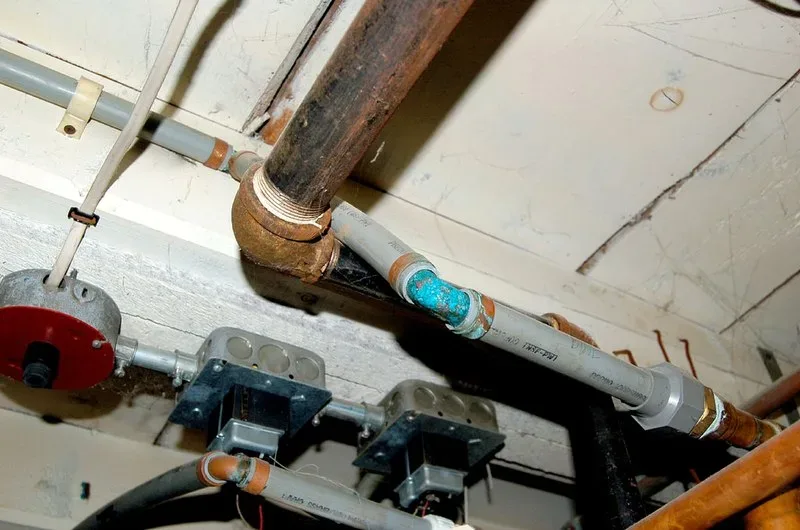
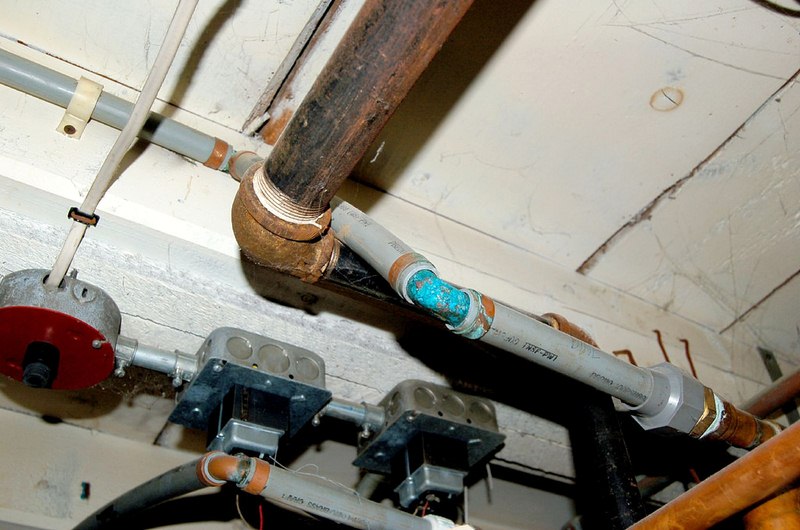
Polybutylene pipes are a type of pipe formed from plastic resin. These plastic pipes typically come in white or grey and have a dull, matte finish.

Polybutylene pipes were popular in the late 1990’s due to their incredibly low cost and easy installation, but have become notorious in the plumbing world due to the damage they cause over time. Although at one point they were seen as a pipe of the future, expected to ultimately replace the more costly copper pipes, these pipes are no longer used for construction.

During their peak use between 1978 and 1995, polybutylene pipes were installed in approximately 25 percent of all newly constructed homes – estimated upwards of six million homes nationwide in whole.

Although polybutylene pipes were installed in homes throughout the nation, they are most commonly found in homes in the “Sun Belt” where residential construction boomed through the 1980’s and 1990’s. It was also very commonly used through the Mid-Atlantic region and Pacific Northwest.
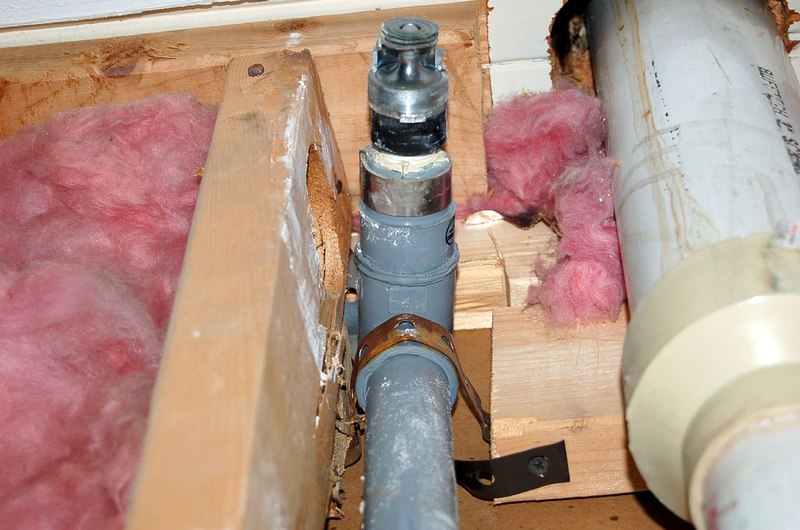
Polybutylene Leak
Polybutylene Leak

Interior Polybutylene Pipes

Polybutylene pipes were most commonly installed throughout the interiors of homes, particularly around water heaters and in the connecting plumbing pieces that feed on the walls to sinks and toilets. Additionally, they were installed to run plumbing throughout the ceilings in unfinished basements.

If you are trying to identify whether your home has polybutylene pipes installed, you should know that not all visible plumbing may properly give notice as to whether polybutylene pipes were used. In some homes, plumbers installed copper “stub outs” where pipes protrude from a wall to connect to fixtures, so just because you see a copper pipe extending from a wall does not necessarily mean that all of your plumbing is made from copper.

Exterior Polybutylene Pipes

Polybutylene pipes were commonly used for underground water mains and can be identified by their blue, grey, or black color. These pipes are most often ½” to 1″ in diameter and can be seen by entering the basement floors or walls or by peering into your crawlspace. Most often the pipes are visible near the water heater.


Must Read:

  • 4 Tips for Eco-Friendly Home Improvements
  • Common Mistakes When Building Your First Home
  • 4 Home Staging Tips You Can’t Ignore
  • DIY Plumbing on a New Bathtub with Steps and Diagrams

Are Your Polybutylene Pipes at Risk to Fail?

Scientists do not know exactly why polybutylene pipes fail but believe that chemicals found in public water supplies, such as chlorine, react with the metal fittings and polybutylene piping in such a way that the reactions cause scaling and flaking so that the pipes become brittle and break or degrade. The pipes may incur microscopic fractures that in their own leak water, but also reduce the basic structural integrity of the entire plumbing system.

The main issue with polybutylene deterioration is that because the contamination comes from the public water supply, the pipes degrade from the inside – which means that it can be difficult to detect deterioration in advance of visible problems.

Beyond the pipe deterioration, poor installation can also negatively affect homes with polybutylene pipes.

Polybutylene pipes typically take 10 to 15 years to show problems, but since the majority of homes that have polybutylene pipes were built between 1978 and 1995, most polybutylene pipe homes are likely to have shown signs by now.
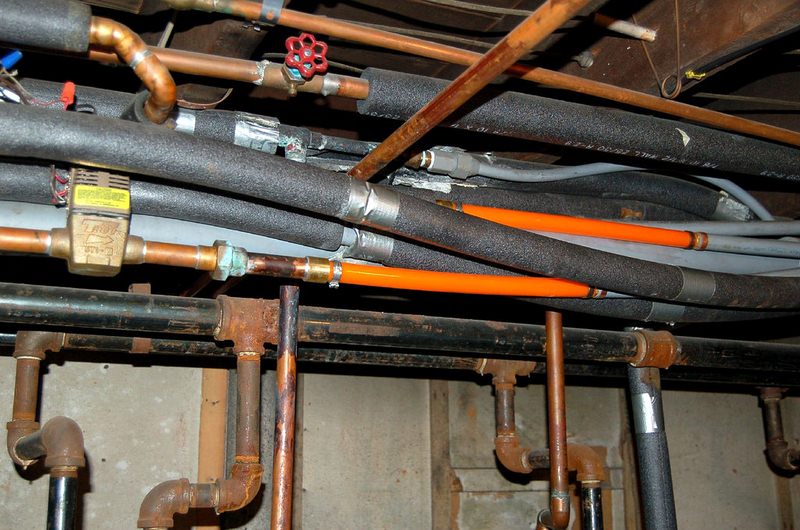
Polybutylene Repair
Polybutylene Repair

That said, to completely confirm whether your home is free from polybutylene plumbing, you should call a licensed plumbing contractor. Although plumbing contractors may not be able to sense whether your pipes are experiencing interior deterioration, they will be able to confirm the presence of polybutylene pipes in your home


0
0
10
0
Total
10
Shares
Pin it 10
Share 0
Tweet 0
Share 0
Share 0
Related Topics
  • pipes
  • plumbing
Previous Article
Featured of 5 Steps to Ensuring the Health of Your Vegetable Crops
  • Vegetable Gardening
  • DIY
  • Lawn & Garden

5 Steps to Ensuring the Health of Your Vegetable Crops

  • Perla Irish
  • July 24, 2018
View Post
Next Article
Featured of Ideas to Transform Small Garden Spaces
  • Lawn & Garden
  • DIY
  • Landscaping

Ideas to Transform Small Garden Spaces

  • Perla Irish
  • July 25, 2018
View Post

You May Also Like

Bathroom remodel in progress showing tile installation and renovation tools during construction.
View Post
  • Bathroom

How Long Does a Bathroom Remodel Really Take?

  • Perla Irish
  • March 11, 2026
Temporary ground protection panels installed over lawn beside a residential patio to prevent surface damage during an outdoor event
View Post
  • Lawn & Garden
  • Lawn Care

How to Protect Your Lawn and Outdoor Surfaces During Events (Before Damage Sets In)

  • Perla Irish
  • February 23, 2026
Side-by-side comparison of casement and double hung windows in a modern home interior
View Post
  • Remodeling

Replace Casement Window with Double Hung? Structural & Code Impacts

  • Perla Irish
  • February 20, 2026
New residential asphalt driveway with smooth surface and landscaped edges
View Post
  • Home Improvement

Asphalt Driveway Advantages vs Concrete: Cost, Lifespan & Structural Value

  • Perla Irish
  • February 20, 2026
Modest kitchen with wood-look faux butcher block countertop
View Post
  • Kitchen

DIY Faux Butcher Block Countertops: Cost, Durability & Long-Term Reality

  • Perla Irish
  • February 14, 2026
Modular furniture components arranged as an adaptive interior system rather than fixed standalone pieces.
View Post
  • Furniture

Modular Furniture Beyond Sofas: Designing Interiors That Adapt Over Time

  • Perla Irish
  • January 27, 2026
Flexible living room interior layout illustrated as a system, showing modular seating, storage, and furniture arranged for long-term adaptability rather than fixed styling.
View Post
  • Home Interior

Flexible Living Room Layouts: Designing Spaces That Adapt Over Time

  • Perla Irish
  • January 26, 2026
Neutral living space illustrating eco-friendly interior design through flexible layout and long-term adaptability.
View Post
  • Home Interior

Transforming Your Home With Eco-Friendly Interior Design

  • Perla Irish
  • January 26, 2026

1 comment

  1. Padge Severin says:
    May 19, 2020 at 1:55 pm

    It appears that my 1995 home had polybutylene piping installed, but I have been on a 6″ deep well where we are located. i.e. there has never been chlorine. I also have a Whole House Carbon filter established before any water enters the interior piping at the faucets, toilets, showers, etc. Any thoughts on my % of problems ? I detect no issues visibly in the crawlspace ?? Thanks, Padge

    Reply

Leave a Reply Cancel reply

Your email address will not be published. Required fields are marked *

Join 13,000 folks!

Get instant access to our weekly newsletter where we share the best! 100% Privacy. No Spam.

  • Disclosure & Affiliate Policy
  • Privacy Policy
  • Terms of Use
  • About
  • Sitemap
  • Contact Us

Input your search keywords and press Enter.