Drain problems rarely appear all at once. More often, they begin with small changes homeowners ignore for weeks or even months. One sink starts draining slower. A bathroom drain suddenly sounds different, or a faint smell comes and goes for days before anyone takes it seriously.
Those early signs matter more than most people realize.
What looks like a minor inconvenience often starts with buildup inside the pipes, restricted flow, or even a developing sewer issue. Waiting too long turns what could have been a manageable repair into recurring clogs, water damage, or emergency plumbing work.
The harder part is knowing when a drain problem has stopped being minor.
A Slow Drain Is the First Sign Most Homeowners Notice
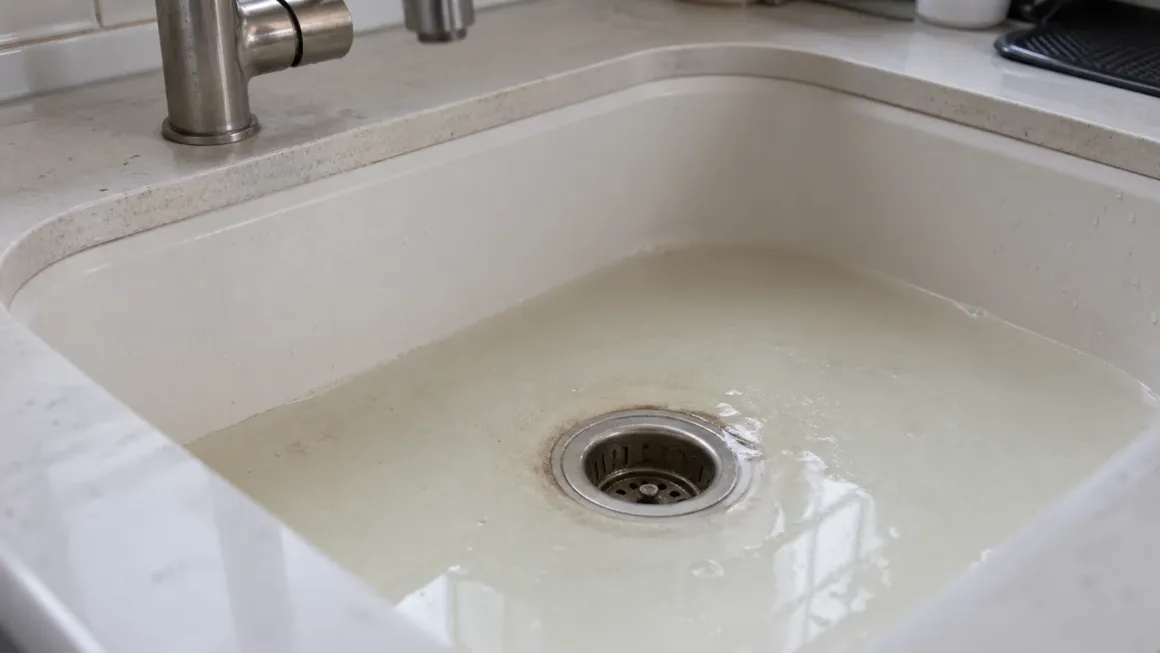
One slow drain does not always mean a plumbing emergency, but it rarely fixes itself.
Kitchen sinks, showers, tubs, and bathroom basins gradually slow down when grease, soap residue, hair, food debris, or mineral buildup begin narrowing the pipe interior. Water still drains, but it no longer moves the way it once did.
Waiting until water stops moving completely turns what could have been a minor cleaning issue into a larger blockage that takes more time and money to fix.
A drain that empties noticeably slower than it did a few weeks ago deserves attention, especially when plunging only improves the situation temporarily.
Recurring Clogs Signal a Bigger Problem Below the Surface
A clog that returns every few weeks is rarely random.
Short-term fixes reopen enough space for water to move again without removing what caused the blockage in the first place. Chemical cleaners improve drainage temporarily, but grease, sludge, hair mats, or trapped debris frequently remain inside the pipe.
If you repeatedly reach for a plunger or drain cleaner for the same sink or tub, the problem has likely moved beyond a quick DIY fix.
Recurring clogs rarely stay isolated to one small issue. Buildup deeper in the pipe, narrowing lines, or damaged sections frequently sit behind the problem. Habits around keeping drains clear before blockages return still matter, but recurring symptoms deserve closer attention.
Strange Smells Coming From Drains Should Not Be Ignored
Healthy drains rarely produce a noticeable smell.
A sour, musty, sewage-like, or rotting odor coming from sinks or tubs typically traces back to organic material trapped inside the pipe. Grease, soap residue, food particles, and bacteria create buildup that slowly breaks down and produces unpleasant smells.
If surface cleaning does not remove the odor, the source sits deeper inside the drainage system than surface cleaning can reach.
When smells persist alongside slow drainage or repeated clogs, surface fixes stop making sense and professional inspection becomes part of the conversation, especially when the issue starts affecting more than one fixture. In situations like this, homeowners start comparing inspection options, emergency availability, and whether the problem points to a localized blockage or a broader sewer concern through local drain cleaning services.
Why Gurgling Drains Deserve Attention
Most drains work quietly, which is why strange sounds stand out quickly.
Gurgling, bubbling, or sucking noises happen when restricted water flow traps air inside the plumbing system. Instead of moving normally, water pushes against a partial blockage and creates pressure changes inside the pipe.
These sounds become more concerning when:
- They happen in multiple drains
- The toilet bubbles unexpectedly
- Drains become slower at the same time
- Odors begin appearing alongside the sounds
At that point, the issue shifts from “annoying plumbing noise” to something worth investigating quickly.
Water Backing Up Into Other Fixtures Is a Serious Warning Sign
Some drain problems move beyond inconvenience.
If water appears somewhere it should not, the problem deserves immediate attention.
Common examples include:
- Water rising in a shower after flushing the toilet
- A sink filling unexpectedly during dishwasher use
- Water backing up through floor drains
- Multiple fixtures slowing at once
These situations point toward a blockage deeper in the plumbing system, including problems involving the main sewer line rather than a single fixture.
When multiple fixtures begin acting strangely at once, the symptoms can resemble warning signs of deeper sewer line problems that homeowners overlook until drainage issues spread through the house.
Ignoring backups increases the risk of water damage, sanitation problems, and larger repair bills.
Why DIY Fixes Stop Working After a Certain Point
Basic DIY solutions still make sense in the right situation. A quick plunge clears minor blockages, and pulling visible hair from a shower drain solves more bathroom problems than many homeowners expect. Kitchen drains become harder to manage once grease buildup starts forming deeper inside the line.
Smaller household issues stay manageable longer through basic plumbing habits homeowners can handle themselves before recurring clogs turn into larger repairs.
But repeated DIY fixes that stop working after a few days point to a blockage that has not actually been removed.
Many homeowners spend months cycling through drain cleaners, plungers, and temporary fixes before discovering the blockage sits much farther inside the line.
That pattern becomes expensive quickly because stronger cleaners and repeated plunging stop solving the problem once symptoms keep returning. At that point, identifying the source matters more than forcing water through temporarily.
What Professional Drain Cleaning Actually Looks Like
Professional drain cleaning goes far beyond removing a visible clog.
The right solution depends on what is actually causing the blockage.
- Drain snaking helps break apart localized blockages
- Hydro jetting clears stubborn grease, sludge, and buildup using pressurized water
- Camera inspections identify pipe damage, root intrusion, or deeper obstructions
The goal is not simply getting water moving again. A proper inspection helps determine why the problem developed in the first place.
Common Habits That Quietly Create Drain Problems
Some clogs start with one mistake. Others build quietly through small habits repeated every day.
Frequent causes include:
- Pouring grease or cooking oil into the sink
- Letting hair accumulate in shower drains
- Flushing wipes labeled “flushable”
- Allowing soap scum buildup to go unchecked
- Putting food scraps down drains without proper disposal systems
Outside the home, aging pipes, shifting soil, and tree root intrusion also contribute to long-term drainage problems.
When Waiting Becomes Expensive
Not every slow drain turns into a major repair.
But waiting becomes expensive once problems begin affecting multiple fixtures or returning repeatedly. In many homes, the biggest plumbing bills come from problems that stayed small for too long instead of being addressed early, especially when homeowners ignore simple ways of avoiding plumbing costs that grow unnecessarily.
A good rule of thumb is simple: if the same drain problem keeps returning, gets worse instead of better, or starts affecting other areas of the home, it deserves attention sooner rather than later.
Final Thoughts
Drain systems rarely fail without warning.
Slow water movement, recurring clogs, unpleasant odors, strange noises, and fixture backups rarely appear without a reason. In many homes, those warning signs show up before larger plumbing problems become impossible to ignore.
Most serious drain problems start quietly. Catching changes early gives homeowners more options, fewer surprises, and a better chance of avoiding emergency repairs later.
Author & Editorial Review
Author: Perla Irish is a home improvement and housing writer covering practical maintenance decisions, plumbing systems, home functionality, and long-term property care. View her published work at Muck Rack.
Editorial Review: This article was reviewed by the HouseSumo Editorial Board to ensure clarity, neutrality, factual accuracy, and alignment with current home living practices. Content is evaluated for long-term usefulness and informational integrity rather than promotional intent.