By Jordan Ellis, licensed contractor and Florida-based garage systems consultant with over a decade of experience in residential door installations and maintenance.
Why Garage Doors Make Noise and How to Fix It
It starts as a faint sound—a click, a creak, maybe a subtle grinding noise at the track. At first, you ignore it. But then it becomes a daily announcement to the neighborhood: you’re home. That once quiet garage door is now a full-blown sound system of complaints.
Here’s the truth: most garage doors aren’t noisy by default. Those sounds are red flags, pointing to wear and tear. Hinges loosen, tracks bend slightly, rollers gather grime, and springs grow weak over time. In Florida’s hot, humid, salt-filled air, these issues tend to escalate faster. Steel corrodes, rubber hardens, and wooden frames swell, creating alignment issues.
This is why garage door repair Florida isn’t just a seasonal chore—it’s an ongoing necessity. Our environment isn’t kind to mechanical systems, and your garage door bears the brunt.
Couple that with the fact that the average Florida household opens and closes the garage door several times a day, and it’s no surprise when it begins to groan.
Easy DIY Garage Door Maintenance Tips
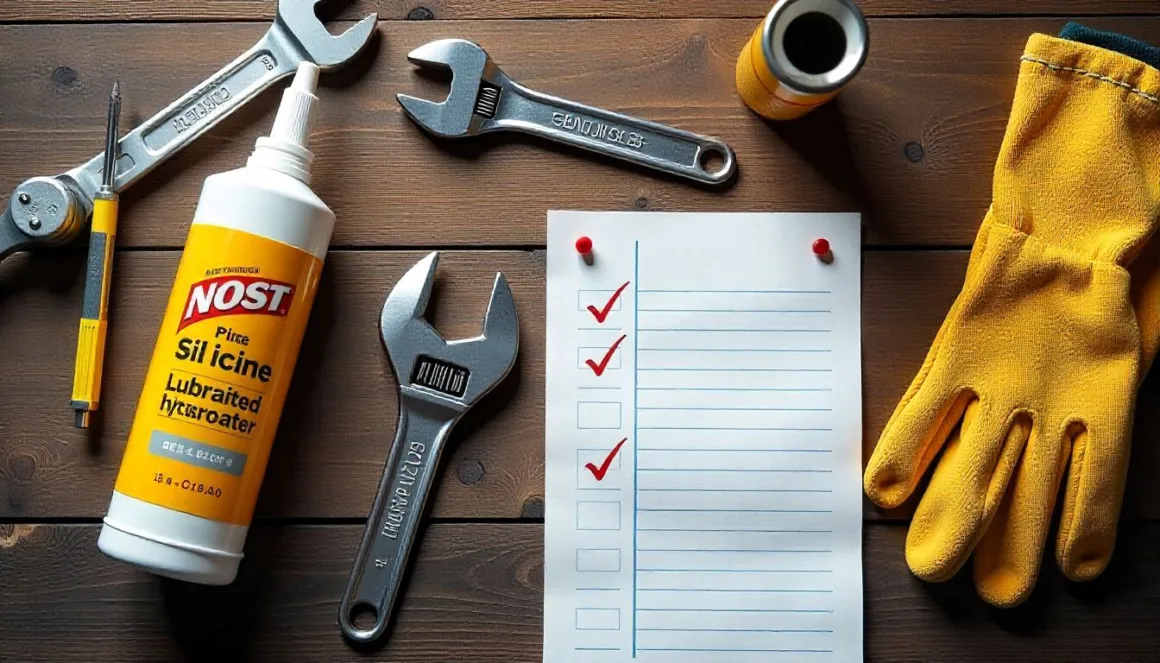
You don’t need to be a certified technician to keep your garage door in working order. With a little time, a few tools, and some preventive care, you can extend its lifespan and maintain smooth, quiet function.
- Start with a visual inspection. Look for obvious signs of wear: loose screws, rusted bolts, cracked rollers, or bent tracks. These are often early warnings.
- Test the door balance. Disconnect the opener and try lifting the door manually. It should stay halfway open. If it drops, the springs might be worn or unbalanced.
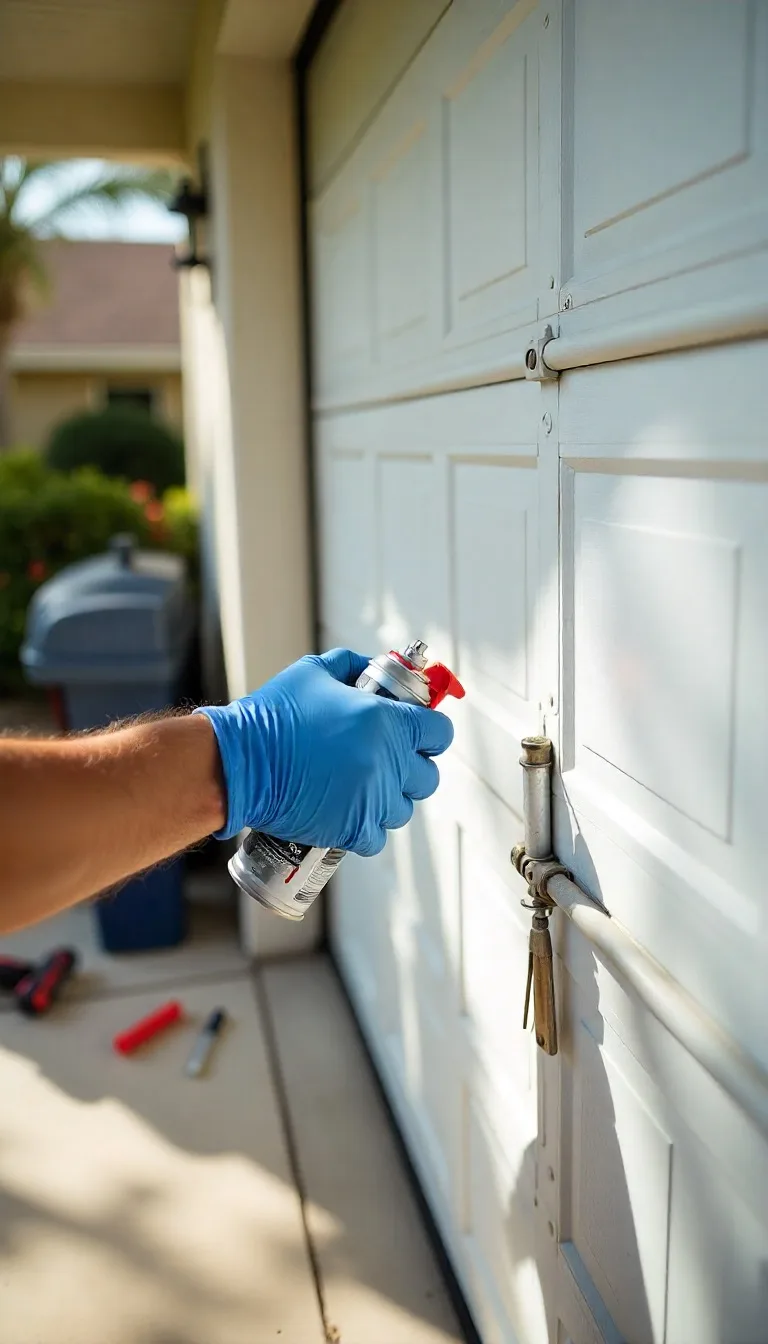
- Lubricate moving parts. Use a silicone-based, non-greasy lubricant on hinges, rollers, and springs. Avoid heavy grease—it attracts dirt and can worsen friction over time.
- Clean the photo-eye sensors. Located near the base of the frame, these sensors can collect dust and debris. A simple wipe with a soft cloth might solve issues like doors reversing or refusing to close.
- Tighten the hardware. Garage doors vibrate with every use. Bolts and screws will loosen over time. A quick pass with a socket wrench every few months can prevent bigger problems.
Regular DIY maintenance not only delays costly repairs but also helps you spot problems before they become critical.
Signs You Need Professional Garage Door Repair
While basic upkeep can go a long way, some signs demand professional attention:
- The door sags or appears off-kilter
- Loud banging or grinding sounds
- The door reverses unexpectedly or stops midway
- Frayed or broken cables
- Damaged or cracked panels
If any of these sound familiar, it’s time to call a technician. These issues can indicate structural problems, motor malfunctions, or even safety hazards. And attempting to fix these yourself, especially anything involving high-tension springs or electrical components, can be risky.
In Florida’s unique climate, it’s not just about fixing what’s broken. The repair must factor in humidity resistance, storm readiness, and even pest prevention. Garage door repair Florida services are tailored for exactly these challenges.
Should You Repair or Replace Your Garage Door?
Every garage door has a shelf life. Most last between 15 and 30 years, depending on usage, material, and climate. But how do you know when a replacement is smarter than another repair?
- Cost Efficiency: If you’ve had multiple service calls in the last year, calculate those expenses. If they total more than half the cost of a new door, a replacement may be a better investment.
- Energy Efficiency: Modern garage doors are better insulated. That means a cooler garage and potentially lower energy bills—a big deal in the Florida heat.
- Tech Integration: Newer systems can be paired with apps and smart home devices. If you’re already managing your home from your phone, a smart garage opener could be a seamless upgrade.
- Safety Features: Today’s doors come with rolling code technology, motion sensors, and auto-reverse functions to protect your home and loved ones.
- Storm Resistance: Some new models are designed with hurricane reinforcements and meet Florida’s building codes for wind resistance.
If your current setup can’t meet these needs, an upgrade could add both value and peace of mind.
What Happens During a Garage Door Installation
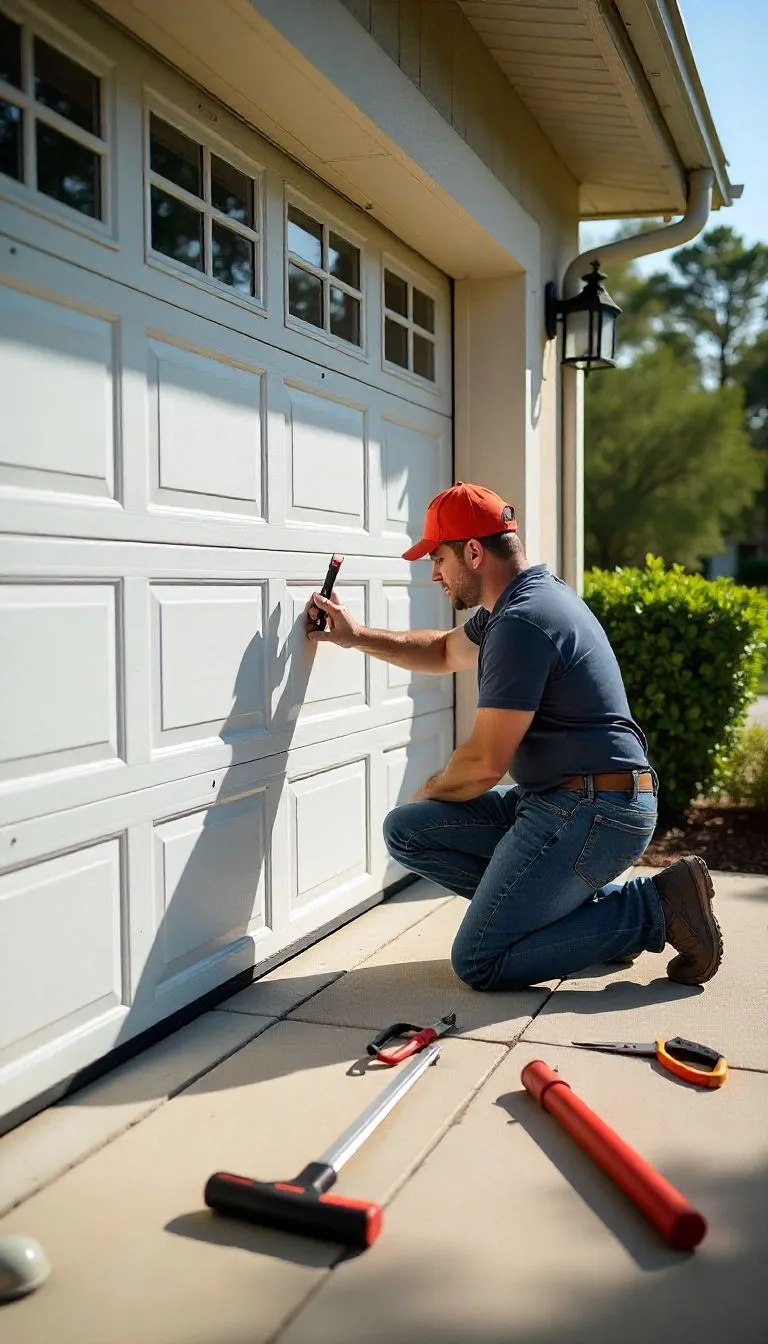
Getting a new garage door might feel overwhelming, but the process is straightforward with a qualified installer. Here’s what to expect:
- Site Measurement: The team will measure your current opening and assess the structure’s condition.
- Door Removal: If needed, they’ll remove your old door and safely dispose of it.
- Hardware and Track Installation: New tracks, springs, cables, and brackets are mounted precisely.
- Door Assembly and Mounting: Panels are attached, aligned, and tested.
- Opener Integration: Your opener system is reconnected or upgraded to work with the new door.
Most installations take less than a day unless there are structural complications.
Material matters too. In Florida, options like steel or marco garage door systems offer better durability against rust, heat, and moisture. Insulated versions reduce noise and improve energy efficiency, a win-win for families and home offices.
How to Maintain a Quiet and Safe Garage Door System
A perfectly tuned garage door doesn’t just glide quietly; it operates with precision and safety. It starts with alignment and balance:
- Balanced springs keep the door from slamming or struggling
- Aligned tracks prevent friction and premature wear
- Responsive openers eliminate grinding or delay
But safety is just as important. The garage is often a primary access point to your home. Modern systems include features like:
- Rolling codes that change with every use to prevent hacking
- Motion-activated lights to deter intruders
- Auto-reverse sensors that stop the door if anything is in its path
Test these features monthly. Place an object in the path of the door to ensure it reverses. Check for resistance or delay in response.
Reliable garage door performance doesn’t require constant attention—just periodic check-ins and occasional help from professionals.
Final Thoughts: Know When to Act
From noisy nuisance to smooth operator, the transformation of your garage door is a journey of awareness, care, and smart decision-making. Whether it’s a small fix or a full replacement, what matters is acting at the right time and working with the right experts.
Florida’s climate presents its own set of challenges, but with informed choices and regular maintenance, your garage door can glide as quietly as it did the day it was installed.
Last updated: August 1, 2025