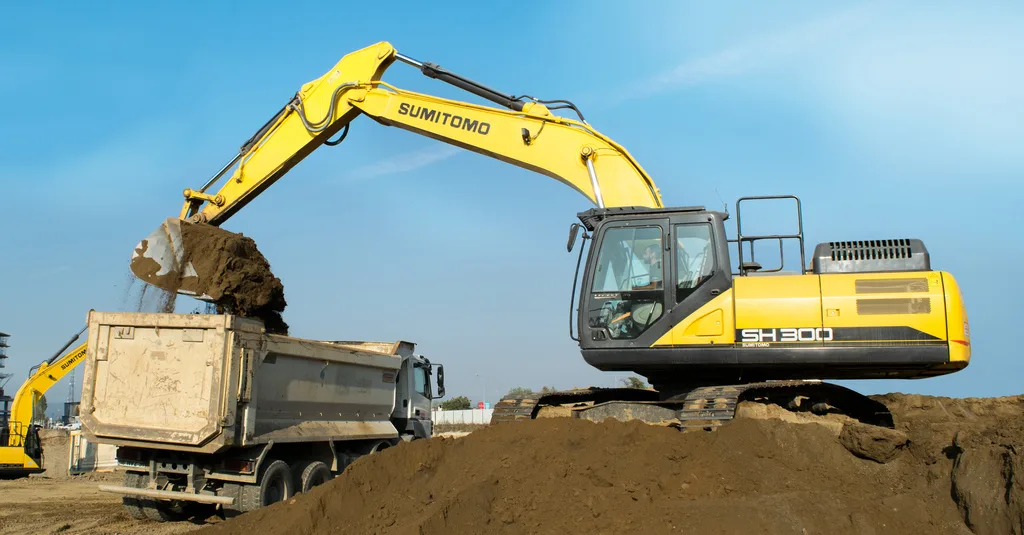
Despite popular belief, excavation is much more than just digging a hole! Excavation is the process of moving and removing earth and rock from a job site to create an open hole, trench, tunnel, or cavity. Drilling, trenching, and grading services are all possible.
Heavy machinery such as bulldozers, backhoes, excavators, and front loaders are commonly used in this process. Excavation is essential for any construction project because it establishes a solid foundation for the structure and provides a stable surface for the surrounding area.
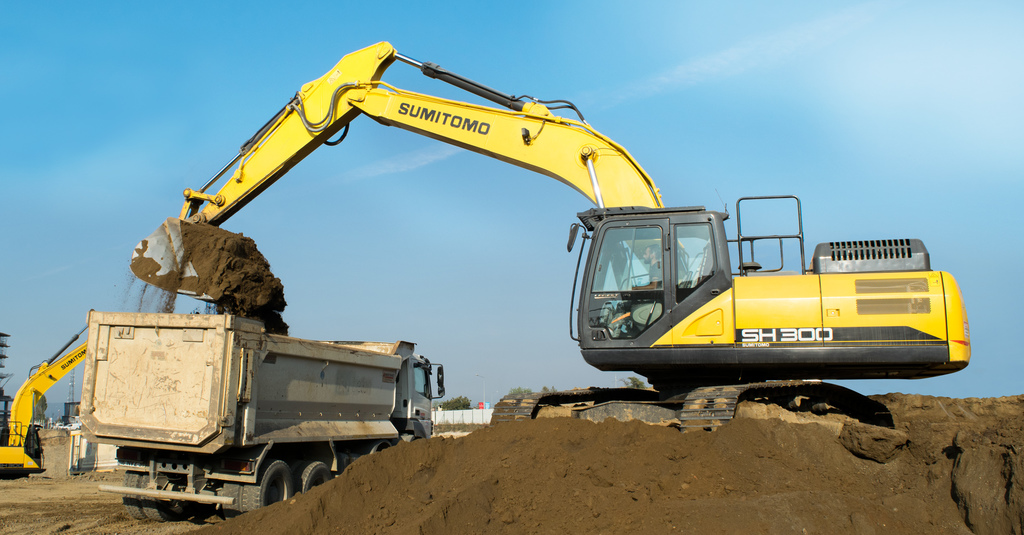
Hiring a reliable local excavation company will not only get the job done well, but it will also ensure the work is done safely, backed by experience and expertise. Springs Excavation Pros is a company that comes equipped with both!
Excavations can be characterized as intentional, rescue, or accidental, depending on their goal. The most important excavations are the outcome of a well-thought-out plan, with the goal of uncovering buried evidence concerning an archaeological site.
If you are thinking about why excavations are so important and what purpose they serve, read on, because this blog will tell you everything from the different types of excavations to the purposes of excavation! Keep reading for more information.
Stripping Excavations
Buildings and other structures benefit the most from this material. When the area isn’t level or requires grading, cutting and filling is the most common procedure. Stripping typically entails removing all material between the original surface and the top of any permanent embankment material.
Read Also:
Drainage Excavation
The removal of debris encountered during the installation of drainage structures other than bridges is known as drainage excavation or structural excavation. Minor drainage structures which comprise roadway pipes and culverts are frequently referred to as minor drainage structures.
Backfilling with appropriate material is required after a pipe or culvert has been installed. This material is typically derived from a source other than drainage excavation, which is normally unsuitable. Culvert excavation frequently excludes debris beyond a certain distance from the culvert’s terminus.
Bridge Excavation
The removal of material discovered when digging for footing and abutments is referred to as bridge excavation. Wet, dry, and rock excavation are common subcategories of bridge excavation.
The boundary between wet and dry excavation is usually defined by a ground elevation above which material is categorized as dry and below which it is classified as wet. For each foundation, a separate elevation can be chosen.
Channel Excavation
The relocation of a brook or stream, usually because it flows through a right-of-way, is known as channel excavation. Any inlet or outlet ditch required to route water through a pipe will be paid for by a contracting agency as channel excavation, up to the point where culvert excavation begins.
Borrow Excavation
Borrow excavation occurs when material for embankments or fills is obtained from a source other than the needed excavation. Obtaining material behind slope lines is classified as borrow in most cases, while it is often referred to as obtaining material from a source off-site.
Borrowing is usually prohibited until all required excavation has been finished or the requirement for borrowing has been proven beyond a reasonable doubt.
Road Excavations
This approach is best for the construction or development of roads and walkways, as its name suggests. The segment of a highway cut that begins where stripping was completed and ends at the line of finished subgrade or bottom of base course is known as roadway excavation. Stripping, on the other hand, is frequently included in the excavation of roadways.
Bridge Excavations
The removal of material encountered when digging for footing and abutments is referred to as bridge excavation. Wet, dry, and rock excavation are common subcategories of bridge excavation.
The boundary between wet and dry excavation is usually defined by a ground elevation above which material is categorized as dry and below which it is classified as wet. For each foundation, a separate elevation can be chosen. Best for the purpose of excavating to build a bridge or structure that connects two areas together.
Footing Excavations
The excavation of a column or wall footing for a building is known as footing excavation. This work is typically done with as precise a line and slope as feasible so that concrete may be cast without the need for forms.
Although eliminating forms saves money, this style of excavation usually necessitates specialized equipment and more than conventional handwork.