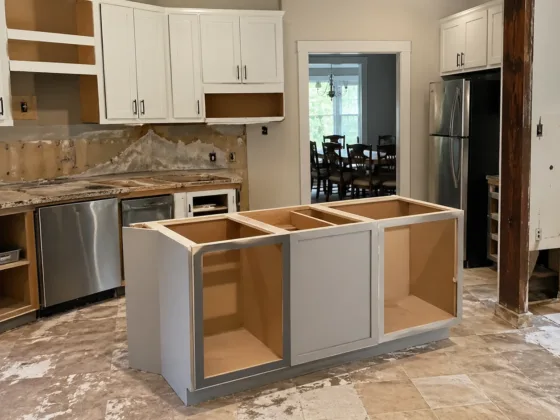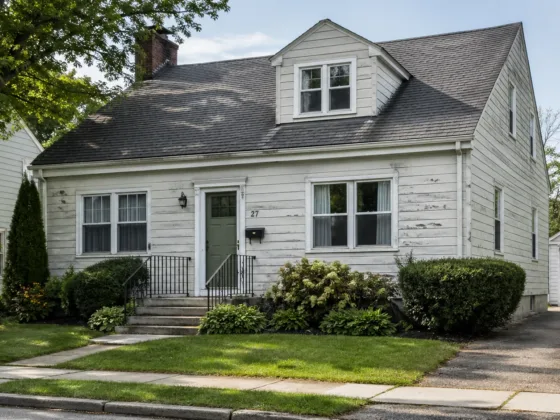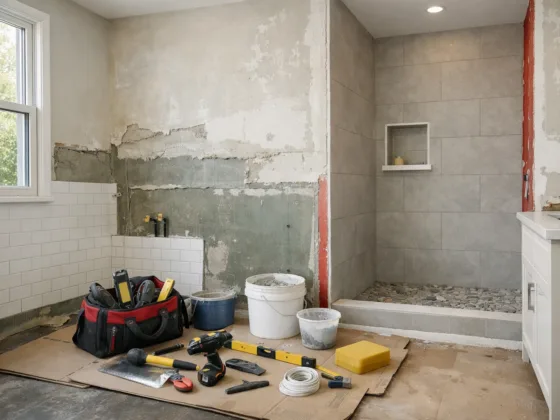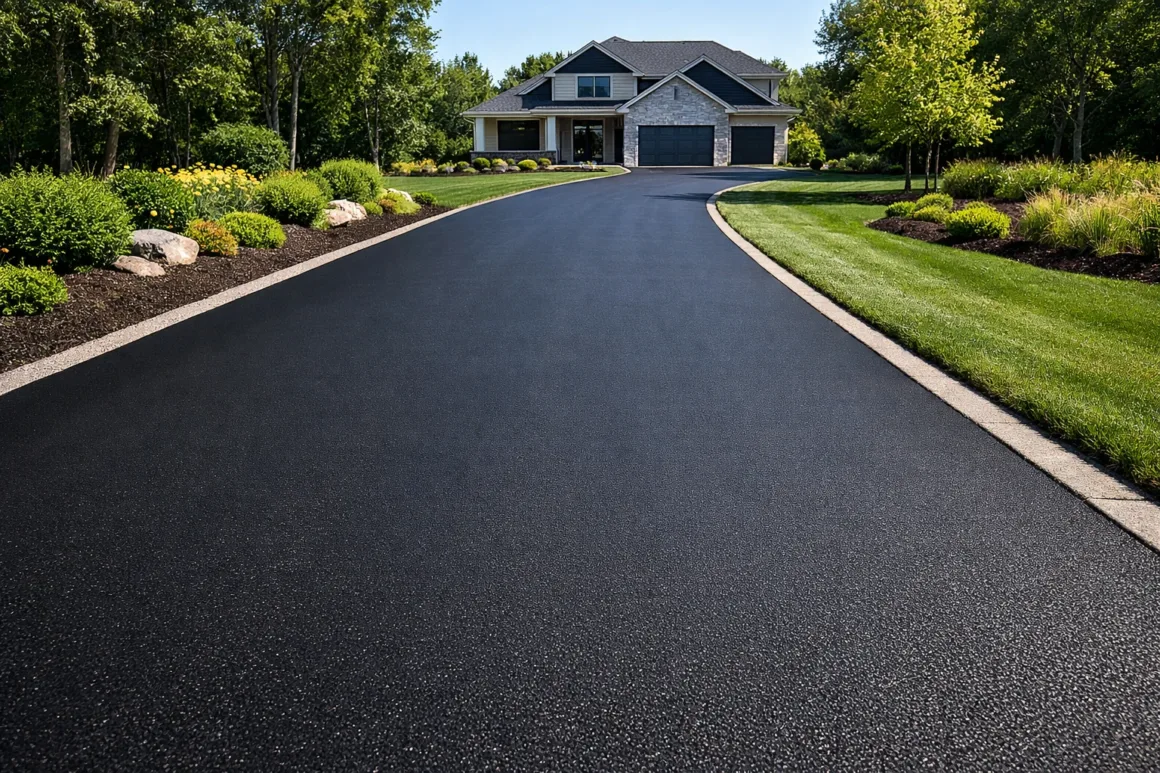
Driveway replacement is rarely about appearance alone. Surface cracking, water pooling, edge breakdown, and base instability signal structural fatigue. Once these failures spread, patching becomes temporary. Full resurfacing or replacement becomes the rational long-term decision.
Among available materials, asphalt consistently ranks as one of the most selected residential paving systems. Its performance is not theoretical. Municipal roads, highways, and parking lots rely on asphalt because it distributes load efficiently, adapts to temperature movement, and remains repairable without full structural demolition.
For homeowners evaluating replacement options, asphalt offers a measurable balance of installation speed, lifecycle cost control, structural flexibility, and maintenance practicality.
When homeowners ask what are the advantages of asphalt driveways, the answer extends beyond surface appearance into structural durability, lifecycle cost control, and climate resilience.
Installation Speed and Structural Foundation
Installation efficiency is one of asphalt’s strongest practical advantages. Once paving services are used, a properly graded and compacted asphalt driveway can reach usable condition significantly faster than poured concrete alternatives. Concrete requires extended curing before bearing vehicle loads. Asphalt cools and stabilizes rapidly, minimizing property downtime.
The structural integrity of an asphalt driveway depends less on the top layer and more on what lies beneath it. A standard residential installation typically includes:
- Excavation to remove unstable soil
- Installation of 4–8 inches of compacted aggregate base
- Proper grading for water runoff
- Compacted asphalt surface layer (usually 2–3 inches)
Base preparation determines longevity. Insufficient compaction or poor drainage design shortens lifespan regardless of surface material. When properly installed, asphalt distributes vehicle loads across the base layer, reducing stress concentration and edge failure.
Homeowners planning a full replacement can review a complete asphalt driveway installation guide to understand excavation depth, compaction standards, and surface thickness recommendations before starting a project.
Lifecycle Cost Over 20 Years
Upfront installation cost tells only part of the story. Long-term ownership cost determines real value. Asphalt generally costs between $3–$7 per square foot depending on region, excavation needs, and material thickness. Concrete installations often exceed that range.
When evaluating asphalt driveways vs concrete from a cost perspective, homeowners often find the price gap most visible during initial installation rather than long-term upkeep.
Over a 20-year ownership window, asphalt maintenance typically includes:
- Sealcoating every 2–3 years
- Occasional crack filling
- Localized patch repair if needed
These maintenance interventions remain predictable and comparatively affordable. Concrete slab failures, by contrast, often require partial slab removal or full section replacement. Asphalt’s repairability reduces long-term capital shock.
When lifecycle cost is calculated rather than initial invoice price alone, asphalt frequently delivers stronger long-term value stability.
Routine sealing and crack management play a major role in preserving structural integrity. A practical asphalt driveway maintenance checklist helps property owners schedule protective upkeep at the right intervals.
Structural Flexibility and Load Distribution
Unlike rigid concrete slabs, asphalt contains binding agents that allow slight flexibility under load. This flexibility absorbs minor ground movement and repeated vehicle stress cycles without immediate structural fracture.
Residential driveways experience daily stress from passenger vehicles, delivery trucks, and occasional heavier loads. Asphalt’s layered structure disperses that pressure across the compacted base rather than concentrating force at single fracture points.
Industry performance data from the National Asphalt Pavement Association confirms asphalt’s engineered durability across high-traffic municipal systems. At residential scale, this translates into reduced catastrophic cracking and more manageable surface-level wear.
Several engineering variables influence longevity, including base density and climate exposure. These factors that impact asphalt pavement life determine whether a driveway reaches its full structural performance window.
Climate Performance in Hot, Cold, and Wet Regions
Driveway materials respond differently to climate stress. Temperature swings, freeze–thaw cycles, and prolonged moisture exposure are primary causes of premature surface failure. Asphalt performs reliably across varied climates because of its layered flexibility and water-shedding properties.
In cold regions, freeze–thaw movement expands trapped water beneath rigid materials. Concrete slabs often crack when internal pressure builds. Asphalt’s slight flexibility reduces stress concentration and limits large structural fractures. Its dark surface also absorbs solar heat, accelerating snow and ice melt compared to lighter-colored concrete.
In hot climates, prolonged sun exposure oxidizes surface materials over time. Sealcoating protects asphalt from UV degradation and surface brittleness. With scheduled maintenance, high temperatures do not shorten lifespan dramatically.
In regions with heavy rainfall, proper grading and base compaction become critical. Asphalt sheds surface water efficiently when installed with adequate slope. Drainage performance, not just surface material, determines long-term stability.
In flood-prone environments, broader site protection becomes critical. These ways to keep your home safe from floods and erosion support long-term property resilience beyond the driveway surface.
Drainage Engineering and Sub-Base Protection
Water intrusion is the most destructive force affecting driveways. Surface cracks allow water to penetrate beneath the top layer, weakening the aggregate base and accelerating structural collapse. Effective asphalt installations prioritize drainage engineering from the start.
A properly constructed driveway includes controlled slope grading that directs water away from the surface and toward designated runoff areas. Standing water shortens lifespan regardless of material selection.
The compacted aggregate base layer serves as the structural foundation. When installed at appropriate depth and density, it prevents settling and reduces rut formation. Inadequate base thickness remains the primary cause of early asphalt failure, not the surface layer itself.
Drainage planning is particularly important in freeze–thaw regions where trapped water expands beneath the surface. Preventing sub-base saturation preserves structural integrity across seasonal temperature changes.
Surface grading alone is not enough. Understanding how to build an efficient drainage system protects the foundation beneath the driveway from erosion and long-term instability.
Surface Traction, Safety, and Liability Considerations
Driveway safety influences both daily usability and long-term liability exposure. Surface texture affects tire grip, pedestrian traction, and water runoff behavior. Asphalt provides a naturally textured finish that improves vehicle control during wet conditions.
Polished or poorly finished concrete surfaces can become slippery when exposed to rain or ice. Asphalt’s slightly porous surface enhances grip while maintaining smooth drivability.
Maintaining a crack-free surface also reduces trip hazards for visitors. Property owners are responsible for maintaining safe access conditions. Regular inspection and timely crack sealing prevent minor defects from becoming safety risks.
In winter climates, faster snow melt due to solar heat absorption further reduces slip risk. While no driveway material eliminates maintenance responsibility, asphalt’s traction characteristics provide measurable safety advantages.
Asphalt vs Concrete: Full Structural Comparison
Homeowners frequently compare asphalt and concrete as primary driveway materials. Both serve the same purpose, but their structural behavior, cost profile, and maintenance demands differ significantly.
In practical decision-making, asphalt driveways vs concrete comparisons typically focus on cost, lifespan, and long-term maintenance differences rather than surface appearance alone.
| Factor | Asphalt | Concrete |
|---|---|---|
| Initial Cost | Lower per square foot | Higher per square foot |
| Installation Time | Ready for use sooner | Requires extended curing |
| Flexibility | Absorbs minor ground movement | Rigid slab structure |
| Crack Behavior | Localized and repairable | Often spreads across slab sections |
| Repair Complexity | Patch and reseal | Section removal and repour |
| Winter Performance | Absorbs heat, melts snow faster | Retains cold longer |
| Maintenance Style | Sealcoating + crack filling | Joint maintenance + slab repair |
Concrete can last longer in certain climates when installed under ideal conditions, but repair complexity and higher upfront cost influence long-term ownership decisions. Asphalt offers a more repair-friendly system that controls lifecycle costs more predictably.
Return on Investment and Property Value Impact
Driveway condition directly affects curb appeal and buyer perception. Cracked, uneven, or stained surfaces signal deferred maintenance. A newly resurfaced asphalt driveway presents a clean, uniform finish that frames landscaping and exterior architecture.
Buyers comparing asphalt driveways vs concrete tend to evaluate visible condition first, then factor in expected lifespan and maintenance demands.
From a resale standpoint, buyers rarely calculate driveway material differences line-by-line. Instead, they respond to condition and perceived structural soundness. Asphalt resurfacing delivers a visible upgrade at lower capital cost compared to full concrete replacement.
For homeowners planning to sell within several years, resurfacing with asphalt often provides a favorable balance between investment and presentation value.
Common Installation Mistakes That Reduce Lifespan
Material selection alone does not guarantee durability. Installation quality determines performance. The most common causes of early asphalt failure include:
- Insufficient excavation depth
- Inadequate aggregate base thickness
- Poor compaction of sub-base
- Improper grading that allows water pooling
- Installing asphalt in excessively cold conditions
Thin surface applications over unstable soil lead to premature cracking. Proper compaction and drainage planning matter more than minor thickness differences in the surface layer.
Environmental and Recyclability Considerations
Modern asphalt production incorporates recycled materials from previous pavement systems. Reclaimed asphalt pavement (RAP) reduces raw material demand and lowers environmental impact compared to entirely new material production.
Asphalt is one of the most recycled construction materials in North America. Old pavement can be milled, reheated, and reused in new installations, extending material life cycles.
While concrete also offers durability advantages, asphalt’s recyclability and repair efficiency contribute to resource conservation over extended infrastructure use.
Frequently Asked Questions About Asphalt Driveways
How long does an asphalt driveway last?
A properly installed asphalt driveway typically lasts 15–20 years. Longevity depends on base preparation, drainage quality, climate exposure, and routine sealcoating.
Is asphalt cheaper than concrete?
Yes. Asphalt usually costs less upfront and requires less expensive repair work over time compared to concrete slab replacement.
Does asphalt require regular maintenance?
Yes. Sealcoating every 2–3 years and timely crack filling protect against water intrusion and oxidation.
Is asphalt suitable for cold climates?
Asphalt performs reliably in freeze–thaw regions when installed with proper drainage and base compaction.
Can asphalt be resurfaced instead of replaced?
Yes. If the underlying base remains structurally sound, resurfacing extends lifespan without full excavation.
Author & Editorial Review
Author: Perla Irish is a design and home living writer specialising in interior materials, furniture performance, and long-term home decision-making. View her published work at Muck Rack.
Editorial Review: This article was reviewed by the HouseSumo Editorial Board to ensure clarity, neutrality, factual accuracy, and alignment with long-term interior sustainability principles. Content is evaluated for long-term usefulness rather than promotional intent.