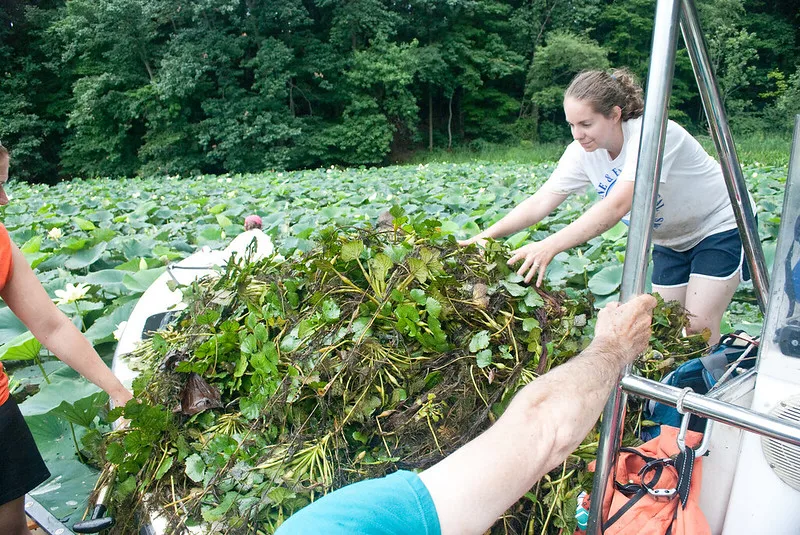
The United States is home to some of the most beautiful and unique plants in North America, but non-native species can quickly take over these natural areas.
Many invasive Alien Invasive Plant Ecosystems (IAPE) have been introduced through travel or international trade that threaten native plant life and animals, who depend on them for food sources like insects.
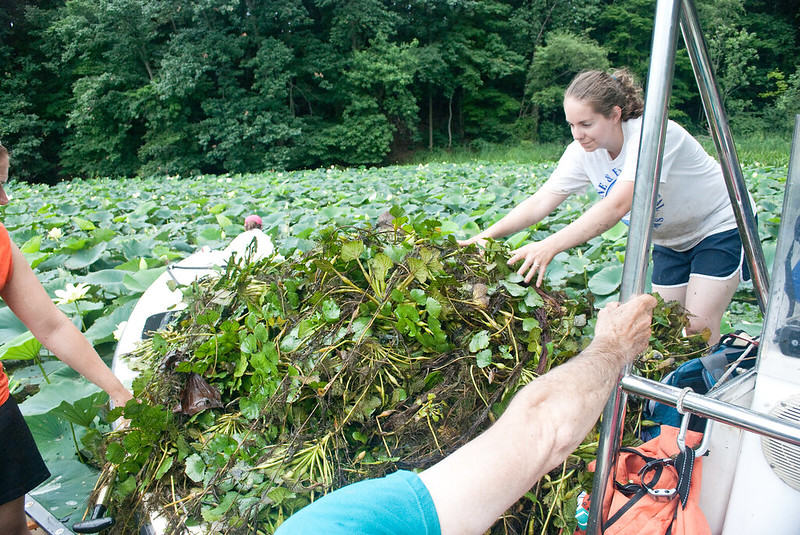
IAPEs also affect our environment by changing ecosystem functioning, leading to severe consequences such as negatively impacting human wellbeing – let’s stop this trend before it worsens!
Many plants can be invasive and reduce the biodiversity of a landscape. These new, aggressive species grow prolifically with little competition for resources such as sunlight or water from other vegetation.
This allows them to displace native flora until there is no longer enough genetic diversity left within certain areas needed by wildlife populations if they ever existed in the first place.
When Would A Species Become “Invasive”?
Invasive species are unwanted, foreign organisms that harm the environment and human health.
They can enter an ecosystem through SLAPPs or vehicle contaminants—such as ballast water from ships—and cause financial loss for cleanup efforts and damage property values within a region’s borders due partly to people not wanting them around near where they live (or work).
Invasive species do not need to come from another country. For example, lake trout are native to the Great Lakes.
Still, they’re considered invasive in Yellowstone Lake because they compete with cutthroat trout for habitat and food sources like insects.
These habitats and sources would usually be caught by these smaller fish while competing with them over space at night time.
There’s not enough surface-level light available due to only being underwater most times during daylight hours.
Read Also:
Why Are Invasive Plants Successful?
- Invasive plant species can be a serious problem for natural habitats, as they produce large quantities of seed.
- Invasive plants thrive on disturbed soil.
- Invasive plant seeds can be transported by birds, the wind, or human beings and sometimes end up in places they don’t belong.
- Invasive plants have aggressive roots that spread long distances from a single plant.
- The growth of these plants is so extensive that it often overtops other nearby vegetation.
- These plants are known as allelopathic and they produce chemicals that negatively affect other plant life around them.
Impacts of Invasive Plants:
- Invasive species have had a devastating effect on our natural resources and wildlife. They contribute to the decline of 42% of US endangered species. They cause 18 percent in invasives, leading directly or indirectly to their downfall. The downside is that we can’t just let these harmful creatures run rampant – if they do, there will be no end!
- Invasive species are a huge problem for native wildlife! Found all over the world, these pesky foreigners crowd out their competitors and take away essential resources like moisture or sunlight.
- Overall, plant diversity is decreasing to the point that it may become rare in some areas.
- The spread of invasive species can degrade wildlife habitats and cause significant problems for native plants.
- Results in poor quality agricultural lands
- Degraded water quality
- Increased soil erosion
- Decreased recreation opportunities
What Can You Do to Help?
- Try not to pick and take home flowers of noxious weeds.
- When hiking, driving a four-wheel-drive vehicle on established roads and trails away from weed-infested areas is essential.
- It is important to carry only certified weed-free feed when using pack animals.
- Eliminate weed seeds from pack animals.
- Try not to pick and transport wildflowers you can’t identify.
- Do not camp or drive in weed-infested areas.
Biodiversity & the Invasive Plants
Invasive plants are the leading cause of habitat loss for native wildlife. They prevent growth and productivity by displacing other types or even wiping out entire communities, creating monocultures that can be harmful to both fish breeding grounds and agriculture-based economies like logging industries (for example).
A healthy ecosystem has many herbs & shrubs, and trees; however, invasives reduce biodiversity drastically, impacting the quality/quantity of animals’ living space site existence.
Control Mechanisms
The best way to manage an invasive species is early detection and rapid response.
Eradication may be impossible, but if it’s not widely spread, then the infestation can usually take care of itself with some effort on your part as well! There are many methods used for controlling or eradicating these pesky critters:
- Biological control is the use of natural enemies to reduce pest populations. This can be done by targeting invasive species with animals, fungi, or diseases typically found in their home range. It does not include using more aggressive pesticides because those risks cannot effectively target specific individuals without hurting another biodiversity.
- Chemical control is a highly effective way. They can be used in various ways, such as spraying pesticides or using herbicides that kill plants but not animals (or humans).
- Cultural control manipulates habits and increases or decreases mortality rates for invasives. It also includes measures aimed at changing human behavior to prevent the spread by educating people on practices that could help keep them from bringing these pests into YOUR home!
- Mechanical control techniques like mowing, hoeing, and tilling can make a big difference in the quality of your crops. Mechanical methods include using tools or machines to girdle trees which creates a barrier for nutrients from being taken up by roots and chopping them down when they’re too high maintenance, so you don’t have any future trouble with pests.
- Physical control includes activities such as hand-pulling, digging, and flooding. It also involves the destruction or removal of nests for pesky invasive species wreaking havoc on our citrus trees!
- Prescribed burning is a fire control technique that includes using and applying smoke, flame, or other means.
Help to Fight the Spread of Invasive Species!
Invasive species are a problem because they compete with native plants and animals, lowering their quality.
They also crowd out important tree species that provide shade for humans and habitat to many types of wildlife in our area – including firefighters who risk their lives fighting fires caused by these non-native plants!
Let Brewer International help you with your invasive plant problems. We have a lot of solutions to offer, like our 90-10 surfactant. Make sure you read the pesticide label and follow all recommended instructions.