• DIY
    • Crafts
      • Outdoors & Garden Projects
    • Decorating
      • Exterior Painting & Decorating
      • Painting & Wallpaper
      • Room by Room
    • Furniture
      • Cabinets
      • Tables
    • Woodworking
  • Home Improvement
    • Real Estate
    • Living
    • Entertaining
    • Home Building & Design
      • Home Interior
      • Home Exterior
    • Home Management
      • Home Organization
    • Remodeling
    • Living Areas
    • Bathroom
    • Kitchen
  • Lawn & Garden
    • Lawn Care
    • Vegetable Gardening
    • Landscaping
      • Irrigating
    • Flowers
    • Trees & Shrubs
  • Categories
    • Home Improvement
    • Lawn & Garden
    • Landscaping
    • Real Estate
Housesumo.com
  • DIY
    • Crafts
      • Outdoors & Garden Projects
    • Decorating
      • Exterior Painting & Decorating
      • Painting & Wallpaper
      • Room by Room
    • Furniture
      • Cabinets
      • Tables
    • Woodworking
  • Home Improvement
    • Real Estate
    • Living
    • Entertaining
    • Home Building & Design
      • Home Interior
      • Home Exterior
    • Home Management
      • Home Organization
    • Remodeling
    • Living Areas
    • Bathroom
    • Kitchen
  • Lawn & Garden
    • Lawn Care
    • Vegetable Gardening
    • Landscaping
      • Irrigating
    • Flowers
    • Trees & Shrubs
  • Categories
    • Home Improvement
    • Lawn & Garden
    • Landscaping
    • Real Estate
Featured of Sanding Polyurethane Between Coats
  • Home Improvement
  • Tips
  • Woodworking

Sanding Polyurethane Between Coats

  • Perla Irish
  • January 18, 2022
Total
4
Shares
4
0
0
0

Sand new raw wood prior to using polyurethane to create uniform porosity and to remove blemishes, glue marks, and pencil marks left by the carpenter.

Sand the wood in the direction of the wood grain, if you sand across the grain you will create scratch marks. Use 220 grit sandpaper for pre-urethane sanding. You can also use any best belt sander for this job. Belt sanders can save both time and energy.

A light sanding will do except on the end grain, which will require a more thorough sanding. Sanding creates a more uniform finish because it evens out the porosity of the wood.

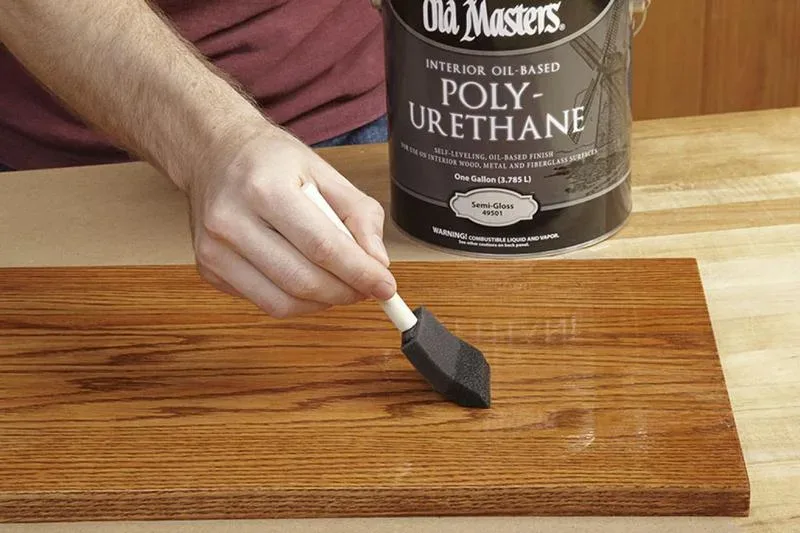
Sanding Polyurethane Between Coats
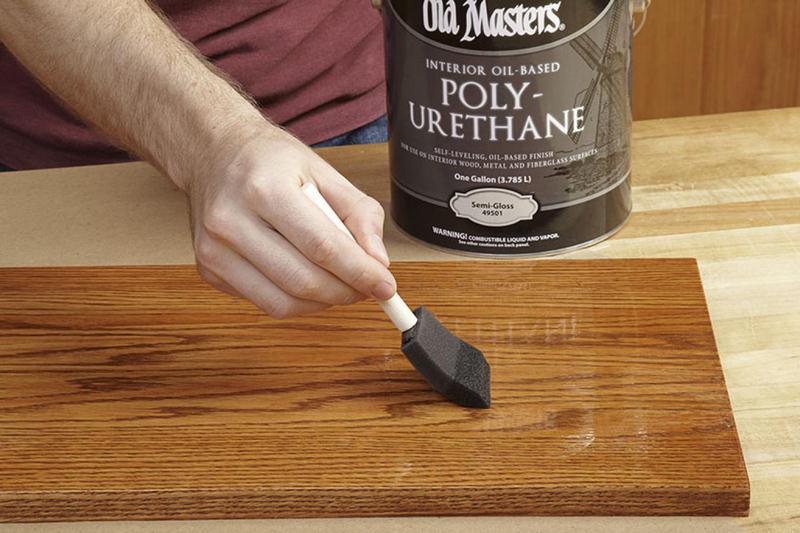
Sanding Polyurethane Between Coats
Sanding Polyurethane Between Coats (image source)

Stain or No Stain

You don’t have to stain before you use polyurethane. If you want a natural wood finish, you can skip the stain. If you do stain, you don’t want to sand after the stain application, before the first coat of polyurethane.

Sanding after staining will remove the stain in areas creating an un-uniform finish. Don’t sand after you apply wood stain.

Sand Between Coats

Polyurethane requires sanding between coats for two reasons. First, it will smooth out any roughness and debris that may have gotten into the finish.

Second, polyurethane doesn’t have real good intercoat adhesion. You must sand between coats for good intercoat adhesion.


Read Also:

  • How to Applying Wood Stain with Sprayer, Airless and HVLP Sprayer
  • Kitchen Cabinet Refacing, Give Your Kitchen Cabinets a Makeover
  • How to Apply Polyurethane, Oil-based Polyurethane Wood Finish
  • How to Sand Drywall like a Pro (Complete Dry Sanding Guide)

Be Careful on the First Coat

There is always a risk of sanding through the thin first coat of polyurethane, and the stain under it on the first coat, particularly on corners and edges.

Be very careful on the first coat, use light pressure, and don’t rub through the finish. As you build up the finish with more coats, you won’t need to worry as much as you will with the first coat.

Use 220 grit (as a rule) for sanding between coats. It is best to sand in the direction of the wood grain, but once you get some finish built-up on the wood, you can sand in a circular pattern.

Final Sanding

Once you get three or four coats on, you can do a final sanding starting with 220 grit paper, then progress on to 320, then 400 grit for final sanding.

Remove Sanding Dust After Each Sanding

You should vacuum the sanding dust off after each sanding, and follow that with a microfiber tack rag.

Final Finish

After your final sanding, apply your final finish coat. You can apply it and leave it (if you have a good dust-free environment) this will leave you with the best sheen, or you may need to do a final buff out with very fine sandpaper 400 grit, then buff out with a rag, this will leave you with a very smooth “hand rubbed satin” finish.


0
0
4
0
Total
4
Shares
Pin it 4
Share 0
Tweet 0
Share 0
Share 0
Related Topics
  • polyurethane between coats
  • sanding polyurethane
  • tips
Previous Article
Featured of Home Theater Secrets: Turn Your Den into a Cinema
  • Decorating
  • DIY
  • Furniture
  • Home Improvement
  • Home Interior

5 Home Theater Secrets That Will Turn Your Den into a Cinema

  • Perla Irish
  • January 18, 2022
View Post
Next Article
featured image - How to Plan for Long-Term Tiny House Living?
  • DIY
  • Home Improvement

How to Plan for Long-Term Tiny House Living?

  • Perla Irish
  • January 18, 2022
View Post

You May Also Like

Side-by-side view of common metal finishes showing chrome shine, copper patina, and matte black texture.
View Post
  • Home Improvement
  • Home Interior

How to Choose the Best Metal Plating for Home Fixtures (What Actually Lasts)

  • Perla Irish
  • December 30, 2025
Vintage bathroom with clawfoot tub, subway tiles, and wooden vanity in a timeless, neutral design
View Post
  • Bathroom
  • Home Interior

Vintage Bathroom Décor Ideas That Feel Classic, Not Dated

  • Perla Irish
  • December 29, 2025
Close-up of a pro plasterer applying Venetian plaster with a steel trowel while a homeowner watches in a modern living room
View Post
  • Decorating
  • DIY
  • Home Improvement
  • Home Interior
  • Painting & Wallpaper

Venetian Plaster Technique: Step-by-Step Guide to Luxurious, Marble-Look Walls

  • Perla Irish
  • December 9, 2025
Stamped decorative concrete patio with warm stone pattern, outdoor dining set, lounge chairs, and planting beds in a cosy backyard at golden hour.
View Post
  • DIY
  • Home Exterior
  • Home Improvement
  • Landscaping
  • Lawn & Garden

Reasons to Use Decorative Concrete for Your Patio

  • Perla Irish
  • December 9, 2025
Modern beige bathroom with floating wooden vanity, LED mirror, heated towel rail, built-in shelving and a freestanding tub
View Post
  • Bathroom
  • Decorating
  • DIY
  • Home Improvement
  • Room by Room

Functional Bathroom Décor: Pieces That Look Good and Work Hard

  • Perla Irish
  • December 4, 2025
Couple reviewing kitchen remodel plans on a tablet in a newly renovated soft-modern kitchen with light oak island, quartz countertops, creamy cabinets, and pendant lighting.
View Post
  • DIY
  • Home Improvement
  • Kitchen
  • Remodeling

The Complete 2026 Kitchen Remodeling Guide: New Trends, Updated Costs, Layout Innovations & Smart Design Strategies

  • Perla Irish
  • December 4, 2025
Suburban two-story home with a backyard in-ground pool and patio dining area on a clear summer day
View Post
  • DIY
  • Home Improvement
  • Real Estate

Is a Pool in a Cold Climate a Smart Move When You’re Buying a House?

  • Perla Irish
  • December 3, 2025
Detached backyard ADU under construction with concrete foundation and exposed wood framing behind a single-family home.
View Post
  • DIY
  • Home Improvement
  • Real Estate

ADU Structural Requirements: Foundations, Framing, and Permits Explained

  • Perla Irish
  • November 15, 2025

Leave a Reply Cancel reply

Your email address will not be published. Required fields are marked *

This site uses Akismet to reduce spam. Learn how your comment data is processed.

Join 13,000 folks!

Get instant access to our weekly newsletter where we share the best! 100% Privacy. No Spam.

  • Disclosure & Affiliate Policy
  • Privacy Policy
  • Terms of Use
  • About
  • Sitemap
  • Contact Us

Input your search keywords and press Enter.