Selling new residential property—especially off-the-plan—comes with a unique set of challenges. Buyers are often asked to commit before they can physically experience the finished home.
In this context, confidence, clarity, and expectation-setting play a much bigger role than in traditional property sales.
Below are practical considerations that help builders and developers present new projects more clearly and form a sustainable strategy for off-the-plan property sales.
Start Marketing Before Construction Begins
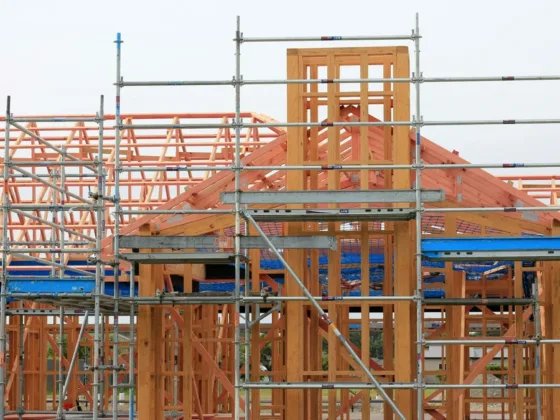
For most new residential projects, marketing should begin before construction is underway. At this stage, it’s important that planning approvals and endorsed designs are already secured, ensuring the project being promoted reflects what will actually be delivered.
In larger developments, early pre-sales are often required to unlock construction finance. Industry bodies such as the Urban Land Institute have long highlighted the role of early buyer commitment in supporting project feasibility and construction funding.
While it’s generally best to avoid launching during major holiday periods, those quieter windows can still be used to prepare campaign materials so everything is ready once buyer activity returns to normal levels.
Use Visuals to Communicate What Doesn’t Yet Exist
One of the biggest obstacles in selling unbuilt property is the gap between drawings and real-world understanding.
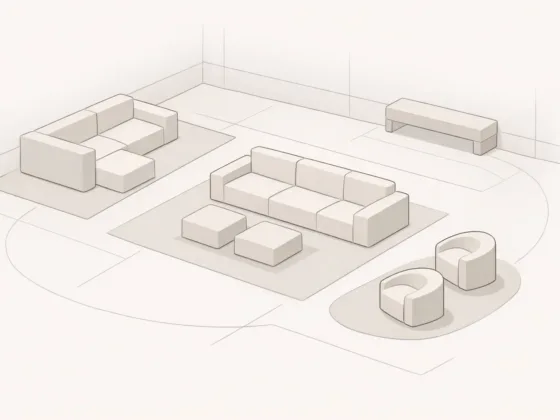
Floor plans alone rarely convey spatial flow, ceiling height, material contrast, or natural light conditions in a way most buyers can intuitively grasp. This is where architectural visualization becomes valuable.
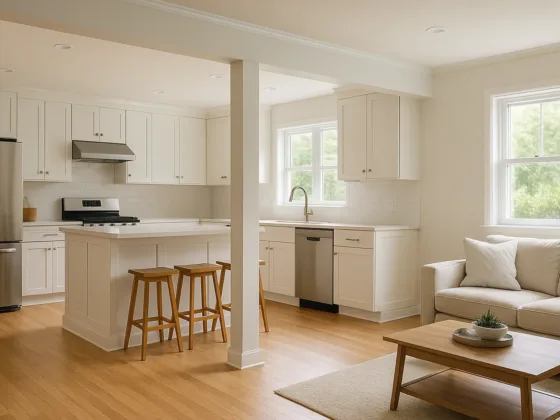
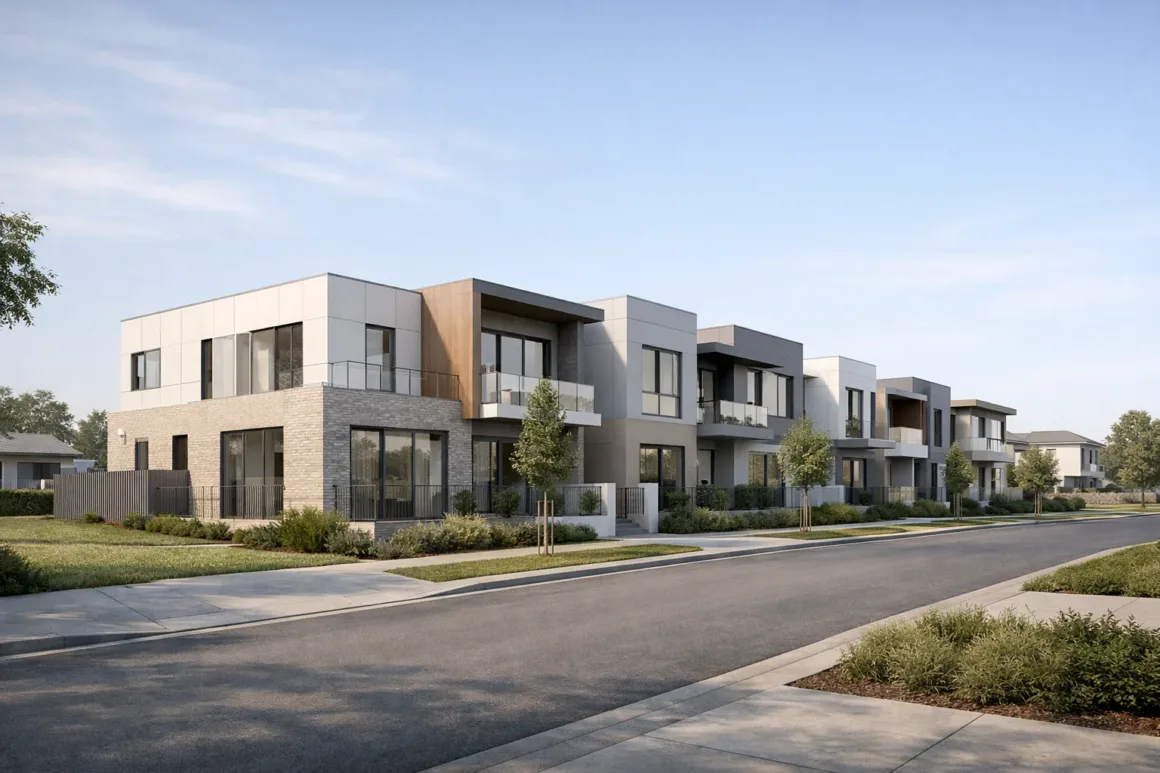
High-quality renders help buyers understand how a proposed design might actually feel once completed—especially when viewed from multiple angles and under realistic lighting conditions.
In practice, many developers observe that clearer visual communication during early sales phases reduces the volume of clarification requests from prospective buyers—particularly around layout interpretation, finish expectations, and natural light conditions in key living spaces.

Professional Cleanpix Graphics is often referenced in the industry to produce exterior perspectives, key interior spaces, and contextual views that help clarify scale, layout, and finish quality. When used appropriately, these visuals reduce ambiguity and allow buyers to make decisions with greater confidence, rather than relying on assumption or guesswork.
References to visualization providers or internal examples are included for illustrative purposes only and do not imply preference, endorsement, or commercial arrangement.
Typical visualization sets may include:
- Exterior façade or street perspectives
- Courtyard or terrace views
- Interior scenes showing kitchens, living areas, or bedrooms
The goal is not decoration, but comprehension.
Some developers are also experimenting with virtual walkthroughs or lightweight VR experiences to support remote or interstate buyers. While not essential for every project, these tools can further reduce uncertainty when physical inspections are not possible.
Create a Clear, Informational Marketing Brochure
A strong off-the-plan brochure acts as a reference point throughout the sales process. Rather than functioning purely as a promotional piece, it should answer the questions buyers naturally have when evaluating a future home.
Effective brochures usually combine:
- Key visualizations and floor plans
- Material and finish schedules
- Location context and nearby amenities
- A brief overview of the design and construction team
Digital formats are essential. Files should be optimized for mobile viewing and kept lightweight to avoid long load times, especially when shared via email or messaging platforms.
Work With Agents Experienced in Off-the-Plan Sales
Selling a completed home is very different from selling a design that exists only on paper and screen. Agents who specialize in off-the-plan property understand how buyers assess risk, timing, and value in these scenarios.
Experienced agents typically have a better sense of realistic pricing expectations, local buyer demand, and common objections that arise during early sales stages.
In off-the-plan contexts, agents with specific experience in new developments often resolve buyer objections more efficiently, helping align pricing expectations earlier and reducing renegotiation friction later in the sales process.
Don’t Ignore Physical Advertising in Local Areas
While digital channels dominate most campaigns, physical advertising still plays a role—particularly for developments targeting local buyers.
On-site signage, hoarding graphics, and well-placed print materials can help create awareness among people already familiar with the area. These touchpoints reinforce digital campaigns rather than replace them, helping projects feel present and tangible even before construction begins.
In many projects, effective on-site signage focuses less on selling language and more on practical information—such as project timelines, approval status, and where buyers can access full documentation online. This helps align expectations rather than create hype.
A Simple Framework for Off-the-Plan Marketing
Across successful off-the-plan projects, three recurring principles tend to shape buyer confidence:
- Clarity — helping buyers understand what does not yet exist
- Credibility — reinforcing trust through transparent information and experienced professionals
- Consistency — aligning visuals, messaging, and delivery expectations
Interestingly, inconsistent visuals across brochures, websites, and on-site signage often create more buyer hesitation than a lack of visuals altogether—highlighting why consistency is frequently underestimated in off-the-plan marketing.
Final Thoughts
Marketing new residential property is less about persuasion and more about clarity. The more accurately a project can be understood before it’s built, the easier it becomes for buyers to commit with confidence.
Clear visuals, structured information, and realistic expectations consistently outperform aggressive selling tactics—especially in off-the-plan environments where trust matters most.
Editorial Note
This article is published by the Housesumo editorial team as part of our coverage on residential property development, off-the-plan sales, and housing market insights.
The content is intended for informational purposes only and reflects general industry practices commonly used by builders, developers, and property professionals.
Readers are encouraged to conduct independent research and seek professional advice when making property or investment decisions.
About the Author
Perla Irish is a design and built-environment writer covering interior materials, architectural visualization, and how early design decisions influence real-world outcomes. Her work focuses on clarity, material behavior, and the relationship between visual representation and expectation in residential projects.