Updated: October 2, 2025 • Evidence-based tips using TSA, USDA-APHIS, state agriculture departments, and CBP.
Moving day is hard on people and tough on plants. With the right prep, you can keep roots stable, leaves undamaged, and stress to a minimum. This guide covers what to do two weeks out, how to pack correctly, car versus truck versus plane rules, crossing state lines, and a simple re-acclimation plan for the new home.
Regulatory note: Airline and state rules can affect what you can carry, especially plants in soil. Always check TSA for air travel and USDA-APHIS and CBP for entry and declaration rules.
Pre-Move Checklist: One to Two Weeks Before
- Pause fertilizer two weeks out so new growth does not stress.
- Water 24–48 hours before moving so the soil is moist, not soggy. Heavy, dripping pots break boxes and damage roots.
- Treat pests and prune dead foliage. Avoid heavy pruning of ferns and succulents right before a move.
- Do not repot right before moving. Repotting is best during the growing season and after plants settle. See NC State Extension and MU Extension for timing guidance.
- Plan for temperature. If nights may drop below about 45–50 °F or 7–10 °C, arrange heated loading and insulation. In hot weather, pre-cool the car. Chill injury and cold damage can begin around this range for many tropicals and palms. See MU Extension – Overwintering Tropicals, MU IPM, Iowa State Extension, and UF/IFAS.
How to Pack Plants the Right Way
- Stabilize the soil. Cut a cardboard collar to cover the pot opening and wrap the top with stretch wrap or a towel secured with tape.
- Stake tall plants and cushion leaves with paper where they rub.
- Box upright and snug. Place pots into boxes so they cannot tip, and fill voids with crumpled paper.
- Ventilate boxes with a few small side slits so foliage can breathe.
- Label FRAGILE and THIS SIDE UP on all plant boxes.
Flying with plants: Bare-rooting by gently removing loose soil and wrapping roots in damp paper with a protective layer reduces mess and eases compliance with soil rules. TSA allows plants in carry-on and checked bags. Review USDA-APHIS traveler guidance and CBP requirements for special routes and international entry.
Transport Options and Temperature Rules
Best: Your car’s passenger cabin
- Keep plants with you, never in the trunk or on a roof rack.
- Avoid blasts from vents and aim for steady temperatures.
- Do not leave plants in a closed car.
Moving truck
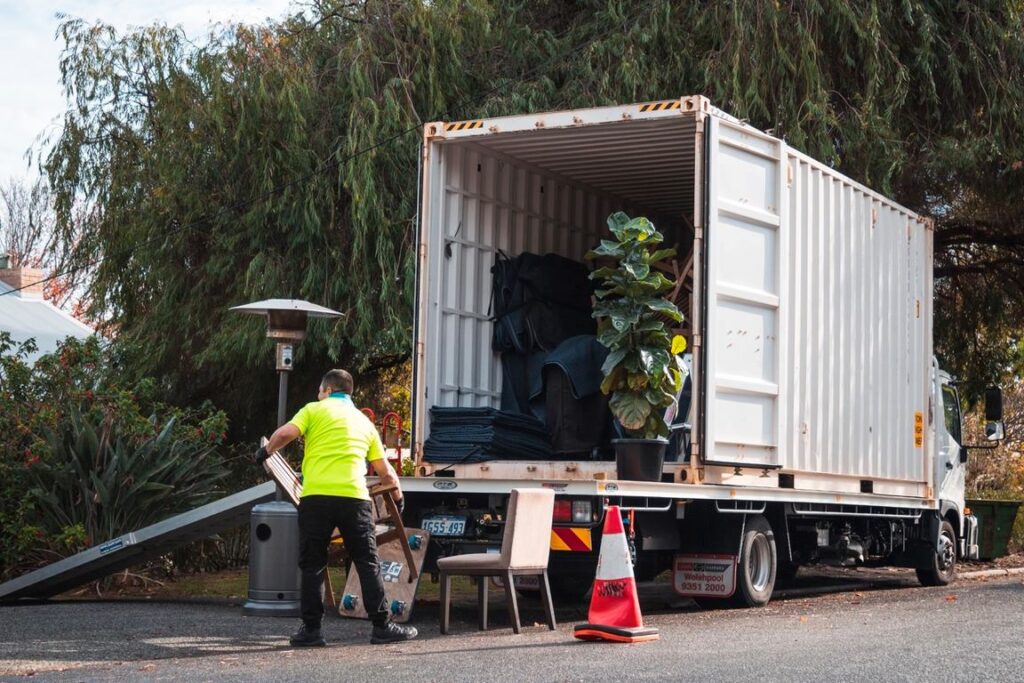
- Use only when climate-controlled. Insulate, avoid stacking, and minimize time in transit.
Temperature guardrails
- Tropicals and palms: protect below about 45–50 °F or 7–10 °C and avoid freezing and high heat. Sources include MU Extension, MU IPM, Iowa State Extension, and UF/IFAS.
- Succulents and cacti: tolerate brief cool spells better yet still avoid freezing and sudden extremes.
Crossing State Lines or Flying With Plants
- Across U.S. state lines: Some states restrict certain plants or soils or require inspections. The National Plant Board links to each state’s rules. As a concrete example, the Arizona Department of Agriculture allows personal indoor houseplants that are pest-free and potted in commercial potting mix rather than backyard soil.
- Domestic flights: TSA allows plants in carry-on or checked bags. Bare-rooting helps when the soil is restricted on certain routes.
- International or entry from Hawaii, Puerto Rico, or foreign countries: Declare plants to CBP and follow USDA-APHIS rules. Some items require permits or are prohibited.
Arrival and Re-Acclimation: First 14 Days
- Unbox promptly and check moisture. Water lightly if the mix feels dry.
- Restore the usual light level. Place plants back into their normal category, such as low, medium, or bright indirect. If the new spot is brighter, increase exposure gradually over three to seven days.
- Quarantine newcomers away from your main collection for about two to four weeks and watch for pests. Guidance from Colorado State Extension and UMN Extension – Insects on Indoor Plants.
- Delay repotting and fertilizing for one to three weeks until growth resumes. See NC State Extension and MU Extension for timing.
Myth to retire: Do not place every plant in full sun to help it recover. Shade-adapted species scorch in direct sun. Use gradual light changes based on extension guidance from UMN Extension – Bringing Houseplants Back Inside.
What Not to Do
- Do not water heavily on the moving morning.
- Do not leave plants in a car overnight.
- Do not repot to be safe before or immediately after the drive.
Quick Supplies List
Cardboard boxes, cardboard collars, packing paper, stretch wrap, stakes, painter’s tape, labels, breathable bags, hand warmers or cool packs for seasonal protection, and permanent marker.
Considering a mover for the rest of your stuff
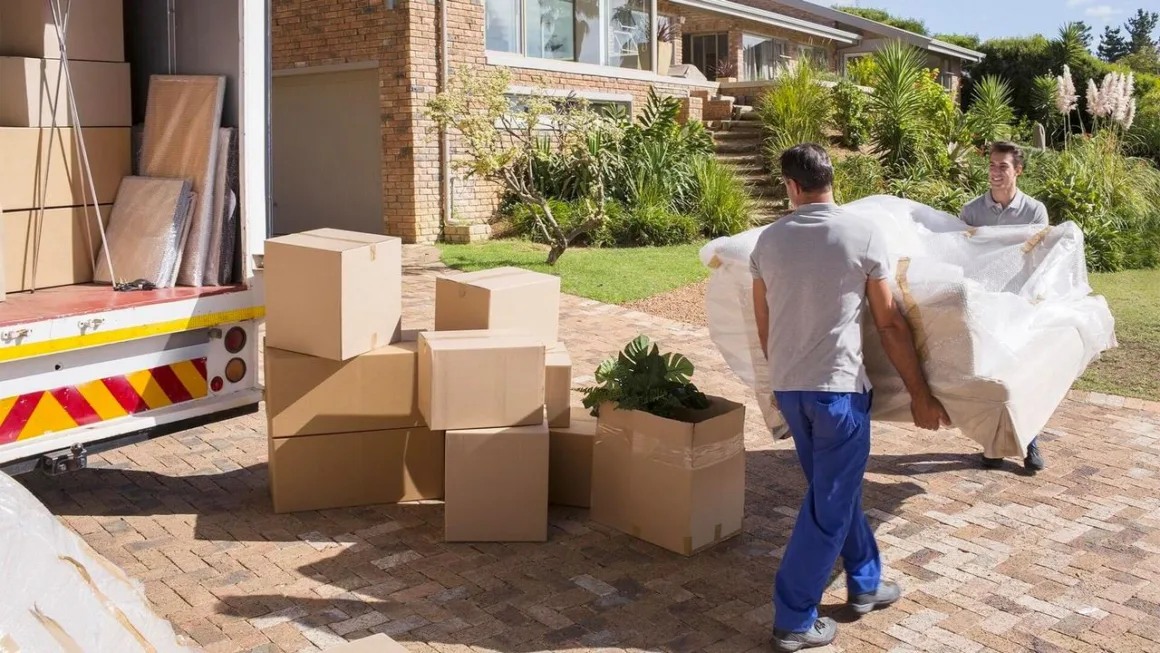
If your timeline or distance is tight, hiring a mover can reduce stress while you keep plants with you in the climate-controlled cabin. Try a long distance moving company or High Stream Moving for the heavy lifting so you can focus on plant care.
FAQs
Can movers legally transport my plants?
Policies vary by company, and many avoid plants due to climate liability. If you are crossing state lines, confirm destination rules through the National Plant Board and examples such as the Arizona Department of Agriculture.
What temperatures are safe in the car?
Keep most tropical houseplants above 45–50 °F or 7–10 °C and avoid extremes.
Can I bring plants on a plane?
Yes. TSA allows plants in carry-on and checked bags. Confirm your airline’s sizing rules and check USDA-APHIS for route-specific restrictions.
Should I repot before or after the move?
After the move. Give plants at least a week to settle and repot during the growing season.