As environmental sustainability becomes an increasing focus, HVAC customers increasingly seek companies that take a green approach to operations. Regular inspections and servicing checks on HVAC systems can maintain optimal performance at lower energy usage costs.
Taking a green approach to HVAC maintenance aims to reduce your carbon footprint. For insights into the Inflation Reduction Act and HVAC guidelines, find more details on this website.
Energy efficiency
HVAC systems can significantly lower a building’s carbon footprint by operating at lower temperatures and using less energy. A programmable thermostat can save even more by automatically adjusting temperatures throughout the day; proper insulation helps minimize heat transfer to further lower energy consumption while regular maintenance ensures optimal system performance and efficiency.
One approach to lessen HVAC systems’ dependency on conventional power networks and save carbon emissions is to integrate renewable energy sources. Solar panels and geothermal cooling and heating systems offer clean, sustainable energy directly on-site. At the same time, demand response programs enable utilities to adjust HVAC operation during peak hours without straining their electrical grids.
Purchasing an energy-efficient furnace can drastically cut greenhouse gas emissions and energy use. When searching for furnaces with an Annual Fuel Utilization Efficiency rating of 90% or greater AFUE, they convert up to 90% of their consumed fuel into usable heat.
HVAC companies and manufacturers are focusing on implementing eco-friendly HVACs as green technology continues to gain traction. Smart HVACs allow companies to track air quality and occupancy and adjust operations as necessary to prevent wasteful operations.
This is an efficient way of minimizing their environmental footprint while simultaneously showing commitment to sustainability in front of potential customers.
Reduced emissions
With governments worldwide placing more importance on sustainability and lowering carbon emissions, the HVAC industry must take steps toward becoming more eco-conscious. Luckily, HVAC technology offers energy-efficient solutions designed to help businesses reduce their carbon footprints.
Optimizing HVAC systems through regular maintenance can significantly decrease energy use and emissions, particularly for commercial spaces where energy efficiency is essential to meeting operational and environmental goals.
Integrating renewable sources like solar, wind, and geothermal into an HVAC system can additionally lower energy expenses while eliminating fossil fuel reliance.
Smart HVAC systems that monitor and regulate indoor temperatures are another effective way to lower energy consumption and carbon emissions. This is by operating more efficiently and reducing air conditioning/heating demands while offering optimal comfort for building occupants.
Enhancing the building envelope is a further practical method of reducing emissions from HVAC operations. Heat transmission and energy waste are reduced by installing insulation and caulking air leaks.
Building performance is further increased by integrating energy-efficient windows and ducts, which also reduces running costs and carbon emissions.
Many homeowners overlook their HVAC systems until something goes wrong, but regular maintenance can save both energy and emissions. Filters that are clogged limit airflow and make the system work harder to satisfy indoor load requirements, which raises emissions and energy consumption.
Better indoor air quality
By optimizing heating and cooling procedures, energy-efficient systems help reduce a building’s carbon footprint. Meanwhile, by adjusting temperatures to a home’s unique usage, smart thermostats reduce wasteful energy use while also saving money and the environment by not heating or cooling sections that aren’t in use.
Climate change has brought heat waves that worsen air quality, necessitating action to improve indoor air quality and create more sustainable environments. Indoor air quality solutions such as high-efficiency HEPA filters and electrostatically charged air cleaners can help reduce pollutants like coronavirus, which have left many sick.
Proper ventilation can crucially improve Indoor Air Quality (IAQ). When it’s not there, dangerous materials including dry cleaning, pesticides, paint, carpeting, and furniture volatile organic compounds (VOCs), cigarette smoke, cleaning supplies, and dry cleaning could accumulate.
Furthermore, this may be distributed back through an HVAC system, recirculating the contaminants back out into the environment.
Reputable contractors not only focus on reducing carbon footprints, but they should also take the time to educate customers on best practices – such as winterizing their homes, protecting against UV rays, and setting ideal temperatures – even when their service provider is no longer involved directly in those decisions and behaviors.
Longer lifespan
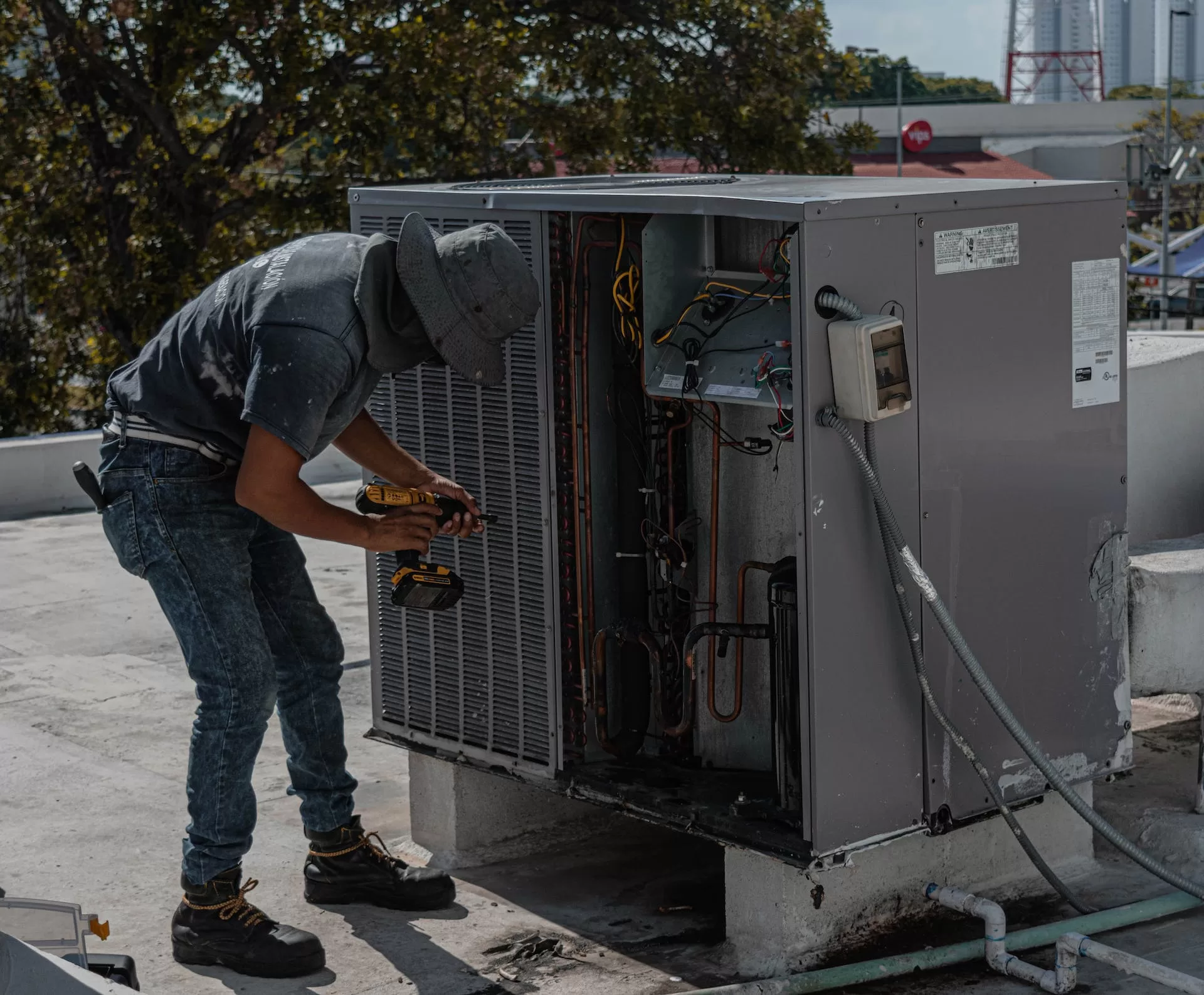
Routine maintenance of your HVAC system can extend its lifespan, save money over time through reduced repair and replacement costs, and provide long-lasting equipment performance. Furthermore, investing in routine maintenance means enjoying higher-level equipment performance for longer.
Your HVAC system will use less energy and emit fewer emissions as long as it runs at optimal efficiency. Over time, however, its components may wear out and reduce efficiency; to address this, replace worn parts regularly while performing preventive maintenance to restore performance and increase longevity.