In recent years, the move towards sustainability has touched nearly every aspect of our lives, from the food we eat to the cars we drive, and now, to the paints we use in our homes. For the environmentally conscious homeowner, choosing eco-friendly painting solutions is a significant step towards creating a healthier, more sustainable home.
This guide will explore the benefits of using eco-friendly paints, including low VOC (Volatile Organic Compounds) options, and discuss how these paints contribute to a healthier home environment while still achieving beautiful, long-lasting results. We will also provide practical tips for homeowners and house painters on selecting and applying these products effectively.

What Are Eco-Friendly Paints?
Eco-friendly paints are formulations designed to minimize environmental impact. These paints typically contain lower levels of harmful chemicals, such as VOCs, which are known to contribute to air pollution and a range of health issues.
By choosing eco-friendly paints, homeowners can reduce their ecological footprint while maintaining or enhancing the quality and appearance of their house painting works.
Benefits of Eco-Friendly Paints
- Healthier Indoor Air Quality: Traditional paints often release high levels of VOCs, which can continue to off-gas for months after application, leading to headaches, dizziness, respiratory problems, and other health issues. Low-VOC paints improve indoor air quality by significantly reducing these emissions.
- Reduced Environmental Impact: Eco-friendly paints use sustainable ingredients and often have a lower carbon footprint. Manufacturing processes are also typically designed to be more environmentally friendly, minimizing pollution and waste.
- Safety for All Ages: With fewer toxic chemicals, eco-friendly paints are safer for everyone in the household, particularly children and pets, who are more susceptible to the hazards posed by traditional paints.
- Versatility and High Performance: Today’s eco-friendly paints come in as many colors and finishes as traditional paints, providing durability and colorfastness that rivals their non-eco counterparts.
Selecting Eco-Friendly Paints
When choosing eco-friendly paints, it’s essential to look beyond the label. Not all products marketed as “green” are genuinely low in VOCs or have environmentally friendly formulations. Here are some certifications and ingredients to look for:
- Green Seal: An independent certification that ensures the paint meets stringent environmental standards.
- GreenGuard: Certifies that products are low-emitting and support healthy indoor environments.
- Natural Ingredients: Some eco-friendly paints are made from natural materials such as clay, lime, and chalk.
Tips for Homeowners and House Painters: Best Practices for Eco-Friendly Painting

When embracing eco-friendly house painting works, both homeowners and house painters need to adopt specific practices to ensure the safety, effectiveness, and environmental integrity of their projects. Here are detailed guidelines for achieving the best results with eco-friendly paints while adhering to sustainable practices:
Proper Ventilation
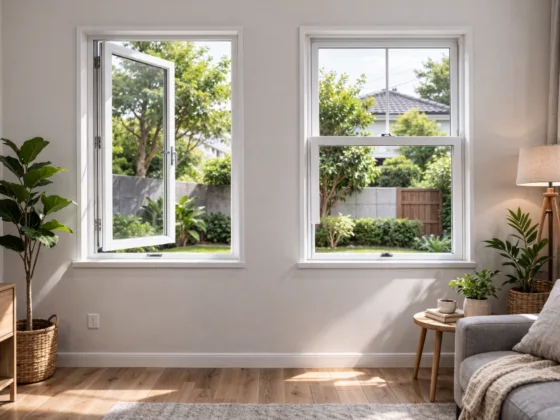
Even when using paints labeled as low VOC, it is crucial to maintain good ventilation during the painting process and as the paint dries. Low VOC doesn’t mean no VOC, and these compounds can still be released into the air, albeit in much lower quantities than traditional paints.
To ensure safety and comfort, open windows and use fans to circulate fresh air throughout the space. This practice helps speed up the drying process, reduces the smell of fresh paint, and minimizes any potential respiratory discomfort that might arise from lingering fumes.
Application Techniques
Eco-friendly paints can sometimes behave differently from traditional paints, which means they might require unique application techniques:
- Read Labels Carefully: Always read and follow the manufacturer’s instructions. These instructions provide crucial information on application methods, the number of coats needed, and drying times.
- Brush and Roller Choice: Use high-quality brushes and rollers that are suitable for use with eco-friendly paints. Some eco-friendly paints are denser or more fluid than traditional paints and may work better with specific types of brushes and rollers.
- Testing: If you’re unsure how the paint will look or adhere, test it on a small, inconspicuous area before committing to larger sections. This test can help you understand the paint’s coverage and drying characteristics.
Responsible Disposal
The disposal of leftover paint must be handled with care to prevent environmental contamination:
- Storage for Reuse: If you anticipate future touch-ups or smaller projects, properly seal and store any remaining paint in a cool, dry place. Ensure the lid is tightly closed to prevent the paint from drying out.
- Recycling Programs: Many localities provide paint recycling programs. These programs allow you to drop off leftover paints at designated facilities, where they can be processed and often repurposed or recycled.
- Hazardous Waste Disposal: In the absence of recycling options, consider contacting local waste management authorities to find out about hazardous waste disposal days when you can safely dispose of paints and other chemicals.
By adhering to these practices, homeowners and house painters can significantly enhance the safety and sustainability of their painting projects. Proper ventilation ensures a healthier environment during and after painting, following specific application guidelines guarantees the best finish and longevity of eco-friendly paints, and responsible disposal helps minimize the environmental impact. Together, these steps not only contribute to more successful painting outcomes but also align with the broader goals of environmental responsibility and sustainable living.
Case Studies and Success Stories
Several homeowners and professional house painters have turned to eco-friendly painting solutions with great success. For instance, a family in Portland, Oregon, reported that after repainting their home interior with low VOC paint, they noticed a significant reduction in headaches and allergic reactions among family members. Similarly, a painting contractor in Vermont has specialized in eco-friendly house painting works and has built a loyal clientele who value sustainability and health-conscious living.
Challenges of Eco-Friendly Painting
While the benefits are clear, there are challenges to consider:
- Cost: Eco-friendly paints can be more expensive than traditional paints, though prices have been decreasing as demand increases and production processes improve.
- Availability: Depending on the location, these paints may not be as readily available as conventional options, requiring more effort to source.
- Perception: Some clients may still believe that eco-friendly means less effective, though this is rapidly changing as more success stories and data become available.
Future Trends in Eco-Friendly Painting
The future looks bright for eco-friendly painting solutions. Advances in technology and increasing environmental awareness are driving innovations in paint formulations. Manufacturers are continuously working on new eco-friendly products that do not compromise on quality, durability, or aesthetic appeal. Moreover, regulatory changes are likely to phase out high VOC paints in many regions, making eco-friendly options the standard rather than the exception.
For the environmentally conscious homeowner, choosing eco-friendly paints is not just a personal health choice, but a part of a broader commitment to sustainability.
By selecting low VOC and other eco-friendly products, homeowners and house painters can significantly impact indoor air quality and the environment. While there are challenges in terms of cost and availability, the benefits of these paints make them a worthwhile investment for those looking to live greener lives. As the demand for sustainable products continues to grow, we can expect to see broader adoption and continuous improvement in eco-friendly painting solutions, making green living accessible to all.
FAQs (Frequently Asked Questions)
What are eco-friendly paints?
Eco-friendly paints are formulations designed to minimize environmental impact by using natural ingredients, low VOC (volatile organic compounds), and other sustainable materials.
What are the benefits of eco-friendly paints?
One of the key benefits of eco-friendly paints is that they contribute to healthier indoor air quality by releasing fewer harmful chemicals. They also help in reducing environmental pollution and promoting sustainability.
How should homeowners and house painters select eco-friendly paints?
When choosing eco-friendly paints, it’s essential to look beyond labels and consider factors such as VOC content, ingredients, and certifications from reputable environmental organizations.
What are some tips for homeowners and house painters when using eco-friendly paints?
When embracing eco-friendly house painting works, both homeowners and house painters should prioritize proper surface preparation, use application techniques suitable for eco-friendly paints, and ensure responsible disposal of leftover paint.
Why is proper ventilation important when using eco-friendly paints?
Even when using paints labeled as low VOC, it is crucial to maintain proper ventilation to minimize exposure to any residual fumes and ensure a healthy painting environment.
How do eco-friendly paints behave differently in application techniques?
Eco-friendly paints can sometimes behave differently from traditional paints due to their unique formulations. It’s important to follow the manufacturer’s guidelines for application and drying times.