• DIY
    • Crafts
      • Outdoors & Garden Projects
    • Decorating
      • Exterior Painting & Decorating
      • Painting & Wallpaper
      • Room by Room
    • Furniture
      • Cabinets
      • Tables
    • Woodworking
  • Home Improvement
    • Real Estate
    • Living
    • Entertaining
    • Home Building & Design
      • Home Interior
      • Home Exterior
    • Home Management
      • Home Organization
    • Remodeling
    • Living Areas
    • Bathroom
    • Kitchen
  • Lawn & Garden
    • Lawn Care
    • Vegetable Gardening
    • Landscaping
      • Irrigating
    • Flowers
    • Trees & Shrubs
  • Categories
    • Home Improvement
    • Lawn & Garden
    • Landscaping
    • Real Estate
Housesumo.com
  • DIY
    • Crafts
      • Outdoors & Garden Projects
    • Decorating
      • Exterior Painting & Decorating
      • Painting & Wallpaper
      • Room by Room
    • Furniture
      • Cabinets
      • Tables
    • Woodworking
  • Home Improvement
    • Real Estate
    • Living
    • Entertaining
    • Home Building & Design
      • Home Interior
      • Home Exterior
    • Home Management
      • Home Organization
    • Remodeling
    • Living Areas
    • Bathroom
    • Kitchen
  • Lawn & Garden
    • Lawn Care
    • Vegetable Gardening
    • Landscaping
      • Irrigating
    • Flowers
    • Trees & Shrubs
  • Categories
    • Home Improvement
    • Lawn & Garden
    • Landscaping
    • Real Estate
Featured of How to Install Ground Fault Circuits Interrupter
  • Home Building & Design
  • DIY
  • Home Improvement

How to Install Ground Fault Circuits in Ungrounded Houses: a DIY Project

  • Perla Irish
  • March 17, 2018
Total
23
Shares
23
0
0
0

DIY installation of GFCI Receptacles. How to install ground fault circuit interrupter in ungrounded houses.

This article covers the installation and wiring of GFCI receptacles for additional protection when a ground wire is not present but includes connecting the ground wire for those with a grounded wiring.
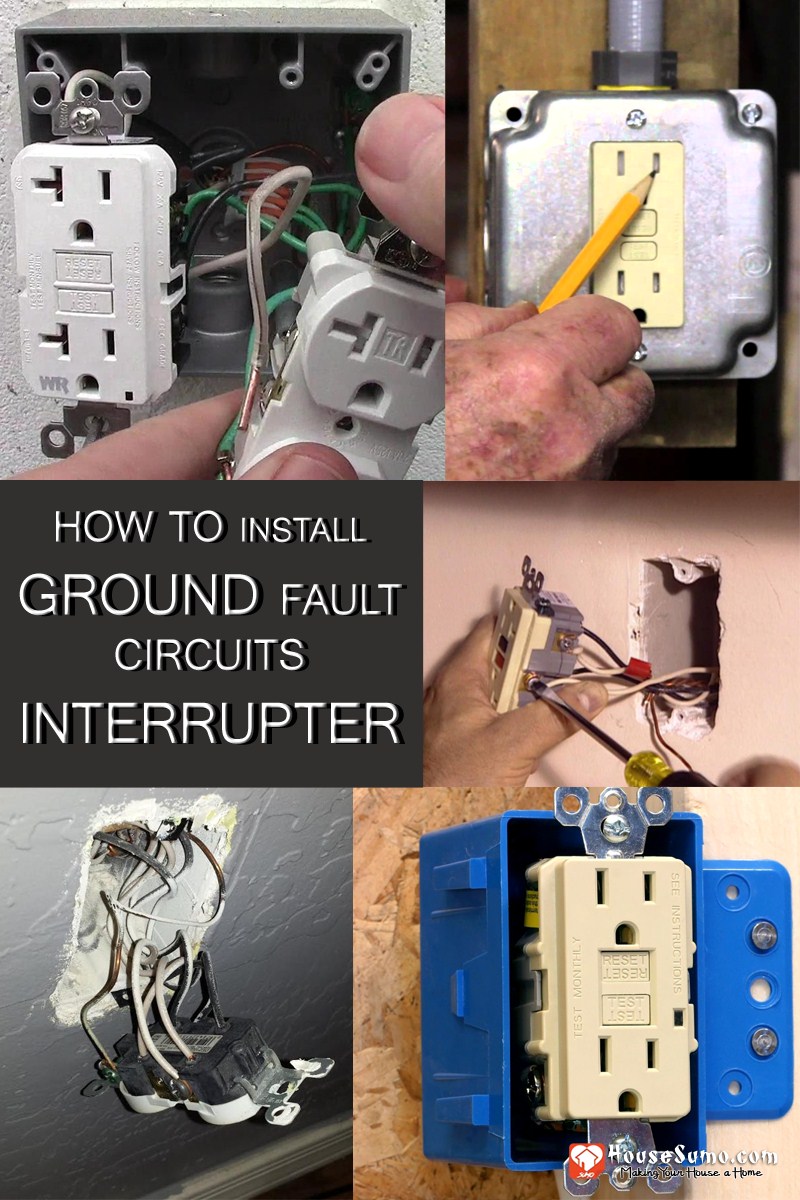
How to Install Ground Fault Circuits Interrupter

DIY Wiring: How to Install Ground Fault Circuit Interrupter in Ungrounded Houses

Ground Fault Circuit Interrupter receptacles provide additional safety, especially if your house wiring does not include ground wires. To find out how easy these receptacles install, read about how to install ground fault circuit interrupter in ungrounded houses below.


Must Read:

  • Consider Energy Saving Tips when Building a New Hom
  • Easy Tips on How to Save Energy at Home
  • Revving Up a Renovation: Which Rooms to Begin With
  • Understanding the True Cost of a Home Remodel

Overview

Grounding devices that operate on electricity are important. If the electrical current from a broken or detached wire touches a conductive case or cover, the ground wire diverts the current safely to the ground and may cause the circuit breaker to trip or a fuse to blow. This prevents electrical shocks and fires.
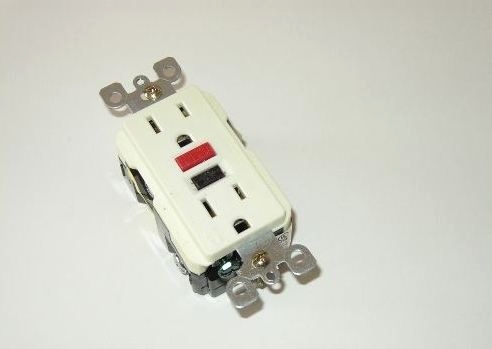
GFCI Receptacle - How to Install Ground Fault Circuit Interrupter
GFCI Receptacle (How to Install Ground Fault Circuit Interrupter)

The National Electric Code now requires GFCI receptacles near sinks, in kitchens, bathrooms, basements and outdoor circuits.

A GFCI can shut off the current if a short occurs between a circuit wire and ground, without a ground wire necessarily being present. The interruption happens so quickly it prevents electrocution. The ideal situation is one where a GFCI and a ground wire are both present.

But a GFCI can add considerable protection in older homes without ground wiring. This is how to install ground fault circuits in ungrounded houses.

Installation

Purchase Ground Fault Circuit Interrupter receptacles with a current rating that matches the current rating of the circuit they will be used on. A 20-amp circuit needs a 20-amp GFCI receptacle.
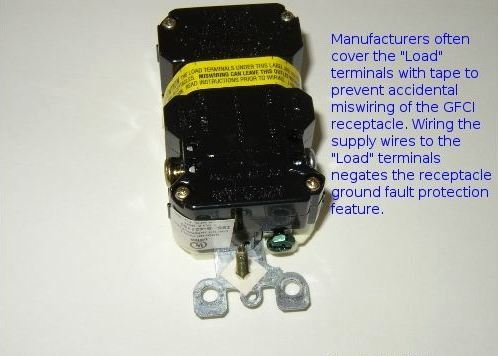
GFCI Load Terminal Tape - How to Install Ground Fault Circuits in Ungrounded Houses
GFCI Load Terminal Tape (How to Install Ground Fault Circuits in Ungrounded Houses)

Important:

Turn off the circuit breaker or remove the fuse that supplies the circuit you will be working on. Never work on a live circuit. Test the receptacle you are replacing with a neon voltage tester by inserting the leads into the outlet slots. The lamp stays off if the circuit is turned off.

Remove the receptacle cover plate screw and cover plate, then remove the two screws that hold the receptacle in place and gently pull the receptacle out of the wiring box. It should be attached with one white wire and one black or other colored wire. Loosen the terminal screws and remove the wires from the receptacle. If your home has a bare ground wire attached to a green screw, remove that wire from the screw as well.

The GFCI receptacle has two sets of terminal screws. One for incoming wires that come from the service panel and another set that can connect to a downstream device and extend protection to that device as well. One set is labeled “LINE”, the other set is labeled “LOAD”. Look for the terminal labels on the back of the receptacle.

If your wiring includes a ground wire, attach the ground wire first to the green terminal screw.

Place the end of the white wire on the silver “LINE” terminal screw. This screw connects to the wider slot on the front of the receptacle. Tighten the terminal screw firmly.
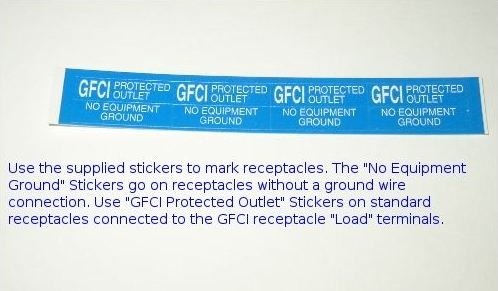
GFCI Stickers - DIY Wiring: How to Install Ground Fault Circuit
GFCI Stickers (DIY Wiring: How to Install Ground Fault Circuit )

Place the end of the black or colored wire on the brass “LINE” terminal screw. This screw connects to the narrower slot on the front of the receptacle.

If you wish to connect another outlet to this receptacle, connect those wires to the “LOAD” terminals. Connect the white wire to the silver terminal first, then connect the black wire to the brass terminal.

Carefully fold the wires behind the receptacle as you push the new GFCI receptacle into the wiring box. Attach the receptacle with the provided screws and install the cover.

Test the GFCI Receptacle

Turn on power to the receptacle. Insert the leads of a neon voltage tester into the two receptacle slots. The neon light should glow. Press the “TEST” button and repeat the test with the neon voltage tester. The neon lamp should remain off. Press the “RESET” button and the new receptacle is ready for use.

GFCI Limitations

A GFCI continuously measures the current flow between the two wires. If the current becomes unbalanced the internal circuit breaker trips. If the hot wire is becomes shorted to ground, the GFCI sees a high current on the hot wire and a low current on the neutral and stops the flow of electricity.

And if both wires have the same current flow the GFCI will not trip. This means that if you held a metal nail in each hand and stuck them into the receptacle slots, you’d get a nasty jolt at best and at worst could die. The GFCI would not trip because the current in both wires is the same.

GFCI devices provide a superior measure of safety, but won’t protect against shock in all cases. Now you know how to install ground fault circuit interrupter in ungrounded houses.

0
0
23
0
Total
23
Shares
Pin it 23
Share 0
Tweet 0
Share 0
Share 0
Related Topics
  • DIY Project
  • installation
  • installing
Previous Article
Tiling around a Tub: Easy Steps from Measurement to Installation
  • Bathroom
  • DIY
  • Home Improvement

Steps for Tiling around a Tub: Measurement to Installation

  • Perla Irish
  • March 17, 2018
View Post
Next Article
Featured of A Real Simple Ways to Organize Pantry
  • Home Improvement
  • Kitchen

A Real Simple Way to Organize Your Pantry

  • Perla Irish
  • March 17, 2018
View Post

You May Also Like

Modest kitchen with wood-look faux butcher block countertop
View Post
  • Kitchen

DIY Faux Butcher Block Countertops: Cost, Durability & Long-Term Reality

  • Perla Irish
  • February 14, 2026
Modular furniture components arranged as an adaptive interior system rather than fixed standalone pieces.
View Post
  • Furniture

Modular Furniture Beyond Sofas: Designing Interiors That Adapt Over Time

  • Perla Irish
  • January 27, 2026
Flexible living room interior layout illustrated as a system, showing modular seating, storage, and furniture arranged for long-term adaptability rather than fixed styling.
View Post
  • Home Interior

Flexible Living Room Layouts: Designing Spaces That Adapt Over Time

  • Perla Irish
  • January 26, 2026
Neutral living space illustrating eco-friendly interior design through flexible layout and long-term adaptability.
View Post
  • Home Interior

Transforming Your Home With Eco-Friendly Interior Design

  • Perla Irish
  • January 26, 2026
Illustration showing a neutral living room layout with abstract seating zones and circulation space.
View Post
  • Furniture

What Is a Modular Sofa and Why It Works for Modern Living Rooms

  • Perla Irish
  • January 21, 2026
Architectural visualization showing an off-the-plan residential project before construction begins.
View Post
  • Home Building & Design

A Builder’s Guide to Marketing New Property Projects

  • Perla Irish
  • January 13, 2026
Technician checking a refrigerator in a home kitchen in Winter Garden, Florida
View Post
  • Home Improvement

Refrigerator Repair in Winter Garden: A Practical Homeowner’s Guide

  • Perla Irish
  • December 31, 2025
Side-by-side view of common metal finishes showing chrome shine, copper patina, and matte black texture.
View Post
  • Home Improvement
  • Home Interior

How to Choose the Best Metal Plating for Home Fixtures (What Actually Lasts)

  • Perla Irish
  • December 30, 2025

Leave a Reply Cancel reply

Your email address will not be published. Required fields are marked *

This site uses Akismet to reduce spam. Learn how your comment data is processed.

Join 13,000 folks!

Get instant access to our weekly newsletter where we share the best! 100% Privacy. No Spam.

  • Disclosure & Affiliate Policy
  • Privacy Policy
  • Terms of Use
  • About
  • Sitemap
  • Contact Us

Input your search keywords and press Enter.