No one wants to share their home with pests, but infestations don’t happen randomly. Whether it’s ants in the kitchen, mice in the attic, or roaches in the bathroom, pests show up for a reason. The good news? Most of those reasons are preventable with smart pest control habits.
With the right mix of awareness, daily routines, and long-term strategies, you can make your home far less appealing to unwanted guests. This guide breaks down the best ways to prevent pest infestations, starting with what attracts them in the first place.
What Attracts Pests
Pests are opportunists — they’re drawn to food, water, shelter, and warmth. But it’s not just about crumbs or leaky pipes. Warm HVAC units in winter, cluttered storage, and scent trails from past infestations attract pests, too. Rodents, for example, follow pheromone-marked paths — if your neighbor had a problem, you could be next. Recognizing this ripple effect helps stop pest problems before they begin.
These survivalists are drawn to consistency. A home offering predictable shelter and food — even briefly — becomes part of their memory. Think of pests as tiny urban explorers with near-photographic memory. What keeps them coming? Patterns. Repeated pet food left out or a recurring drip under the sink? That’s an open invitation.
Pest Infestation: Vulnerable Areas in Your Home
The most overlooked areas are usually the most vulnerable: attics, basements, wall voids, crawl spaces, and under sinks. But pests don’t need rooms — they need routes. Utility line entries, dryer vents, weep holes in brick, and poorly sealed thresholds are high-traffic access points. The garage is a common entrance for mice and spiders, while the kitchen and pantry attract roaches and ants, especially when food packaging is unsealed or spills are ignored.
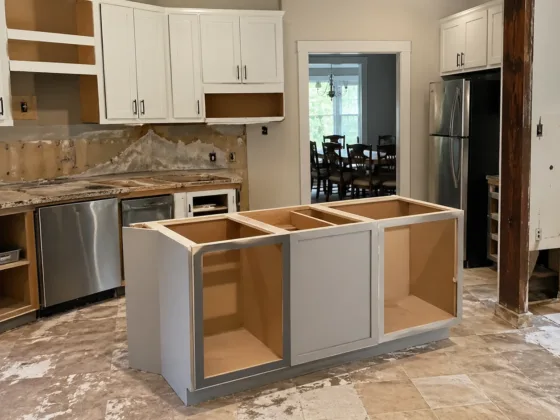
Pests favor quiet, undisturbed places close to their goals. Wall cavities behind kitchen cabinets, attic insulation near HVAC ducts, and dryer vents are all ideal hiding places. These aren’t just entry points — they’re micro-environments. Warm, dark, and moist areas create prime breeding grounds for pests.
How to Keep Pests Away
Think of pest prevention like dental hygiene — consistency is key. Daily habits that make a difference:
- Wipe down counters and floors to erase scent trails.
- Rinse recyclables before storing.
- Store pet food in sealed containers.
- Trim indoor plants to reduce gnat and spider habitats.
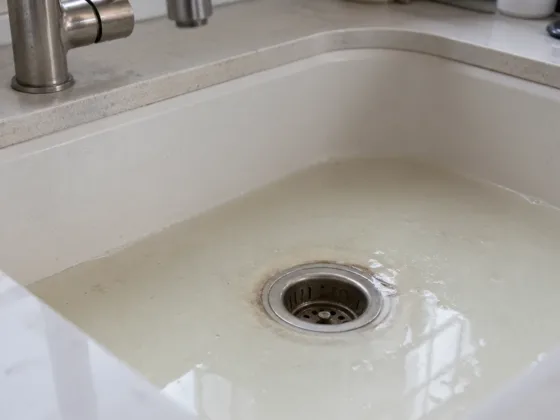
- Clean drains with baking soda and vinegar to break up biofilm (a fly buffet).
The best pest deterrent? Make your home boring to them. Remove all food clues. Use vinegar or citrus-based cleaners — pests hate those scents. Empty vacuum canisters outside to prevent scent transfer. And vary your routines — don’t always feed pets or take out trash at the same time. Pests adapt to predictable patterns.
Sealing Entry Points
Sealing is critical — like locking your doors at night. Even a ¼-inch gap is enough for a mouse. And not all materials work. Expanding foam? Easy for rodents to chew. Use copper mesh or steel wool followed by caulk. Inspect rooflines, vent screens, and pipe penetrations — places most homeowners overlook.
Think of sealing like cybersecurity: first a visual inspection, then a physical block (mesh or sealant), followed by a deterrent layer (pest-resistant caulk or essential oils). Every sealed gap is a denied login.
Don’t overlook your HVAC system during this process. Dirty or disconnected ductwork can become a hidden entryway — or even a nesting site — for pests. Regular duct cleaning removes debris that attracts insects and rodents while also exposing gaps or leaks that may need sealing. It’s a smart move for both indoor air quality and long-term pest control.
How to Keep Pests Away from Your Garden
Your yard is the frontline in pest control. Overgrown shrubs, woodpiles near the home, mulch against the foundation, and clogged gutters all create habitats for pests. Tree branches touching your roofline act as highways for ants and squirrels. Even lighting matters — warm-toned LEDs attract fewer insects than cool white bulbs.
Good landscaping creates a buffer zone. Avoid placing mulch directly against your foundation — use 12–18 inches of gravel or stone instead. It deters pests and simplifies inspection. Bonus: It looks clean and professional.
Preventative Pest Control and Long-Term Protection
Professional pest control goes beyond reacting — it’s proactive and strategic. Experts use seasonal trends, pest behavior, and environmental data to stop problems before they escalate. It’s the difference between fighting fires and fireproofing your home. Licensed professionals also have access to treatments and tools not available in stores.
They don’t just spray — they strategize. With tools like UV lights to detect scent trails and techniques for spotting early infestations, they work to future-proof your home. Routine inspections catch the early signs you might miss.
When Preventative Pest Control Is Needed
Spring and fall are prime seasons for pest movement. Spring brings ants, termites, and wasps. Fall drives rodents indoors seeking warmth. But late summer is often overlooked — that’s when outdoor pest populations peak, increasing pressure to invade homes.
Each season has its pest triggers. Spring means moisture (ants, termites). Summer means overgrowth and heat stress (roaches, flies, wasps). Fall brings nesting (mice, spiders). Winter means survival mode — pests move inside. But the most strategic times? Early spring and late fall — when pests are choosing their next move. That’s when prevention matters most.
DIY Pest Prevention VS Professional Service
DIY is essential for day-to-day pest control: cleaning, sealing gaps, and setting traps. But professional services offer deeper protection. They diagnose hidden infestations and apply targeted treatments safely and effectively. The best approach? Combine both.
DIY is interference — professionals deliver interruption. You can manage the symptoms, but pros find and treat the root causes. Think of it like trimming a weed vs. pulling it and replacing it with a barrier. Use DIY for maintenance. Bring in the pros when:
- You see recurring infestations.
- The pest problem is seasonal and returns.
- You suspect a bigger issue than what’s visible.
FAQ
What are some common signs of a pest infestation?
Common signs include droppings, gnaw marks, nests, and unusual sounds like scurrying or buzzing. If you notice any of these, it’s time to investigate further!
How can I prevent pests from entering my home?
Seal up any cracks and gaps in windows, doors, and foundations, keep food stored in airtight containers, and maintain a clean environment. Small changes can make a big difference!
Are there any natural methods to deter pests?
Yes! Using essential oils like peppermint or citronella, diatomaceous earth, and vinegar can help repel pests without harmful chemicals. Plus, they smell nice!
How important is regular home maintenance in pest prevention?
Super important! Regular maintenance, like fixing leaks and removing standing water, can eliminate the conditions that attract pests. Think of it as pest-proofing your home!
Should I call a professional if I find pests in my home?
If you have a significant infestation or can’t identify the pest, it’s a good idea to call a professional. They have the tools and expertise to handle it safely and effectively!