• DIY
    • Crafts
      • Outdoors & Garden Projects
    • Decorating
      • Exterior Painting & Decorating
      • Painting & Wallpaper
      • Room by Room
    • Furniture
      • Cabinets
      • Tables
    • Woodworking
  • Home Improvement
    • Real Estate
    • Living
    • Entertaining
    • Home Building & Design
      • Home Interior
      • Home Exterior
    • Home Management
      • Home Organization
    • Remodeling
    • Living Areas
    • Bathroom
    • Kitchen
  • Lawn & Garden
    • Lawn Care
    • Vegetable Gardening
    • Landscaping
      • Irrigating
    • Flowers
    • Trees & Shrubs
  • Categories
    • Home Improvement
    • Lawn & Garden
    • Landscaping
    • Real Estate
Housesumo.com
  • DIY
    • Crafts
      • Outdoors & Garden Projects
    • Decorating
      • Exterior Painting & Decorating
      • Painting & Wallpaper
      • Room by Room
    • Furniture
      • Cabinets
      • Tables
    • Woodworking
  • Home Improvement
    • Real Estate
    • Living
    • Entertaining
    • Home Building & Design
      • Home Interior
      • Home Exterior
    • Home Management
      • Home Organization
    • Remodeling
    • Living Areas
    • Bathroom
    • Kitchen
  • Lawn & Garden
    • Lawn Care
    • Vegetable Gardening
    • Landscaping
      • Irrigating
    • Flowers
    • Trees & Shrubs
  • Categories
    • Home Improvement
    • Lawn & Garden
    • Landscaping
    • Real Estate
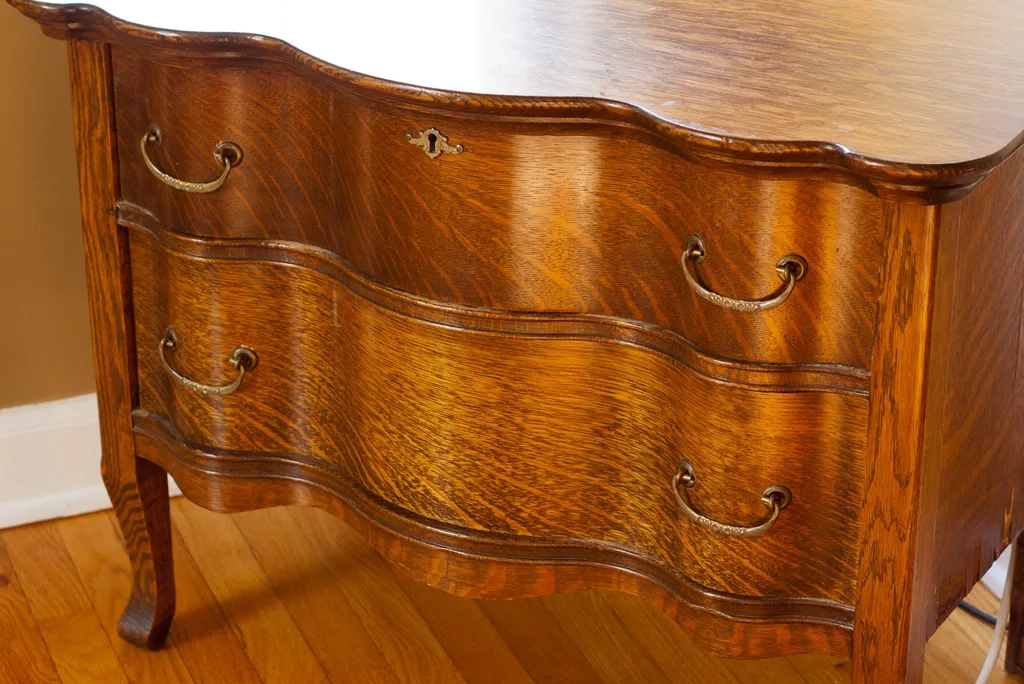
featured image -Effective Techniques to Help You Identify Different Types of Wood in Antique Furniture
  • Home Improvement
  • DIY

Effective Techniques to Help You Identify Different Types of Wood in Antique Furniture

  • Perla Irish
  • May 26, 2022
Total
2
Shares
2
0
0
0

The term ‘antique furniture is generally used to describe interior furnishings that are extremely old. In most cases, the furniture is only classed as antique if it is older than 100 . Furniture between 30 and 100 years old is usually referred to as vintage.

Naturally, it is not usually possible to ask the manufacturer about any piece of furniture that is old. This means it can be difficult to know what wood it is made from and how best to look after it.
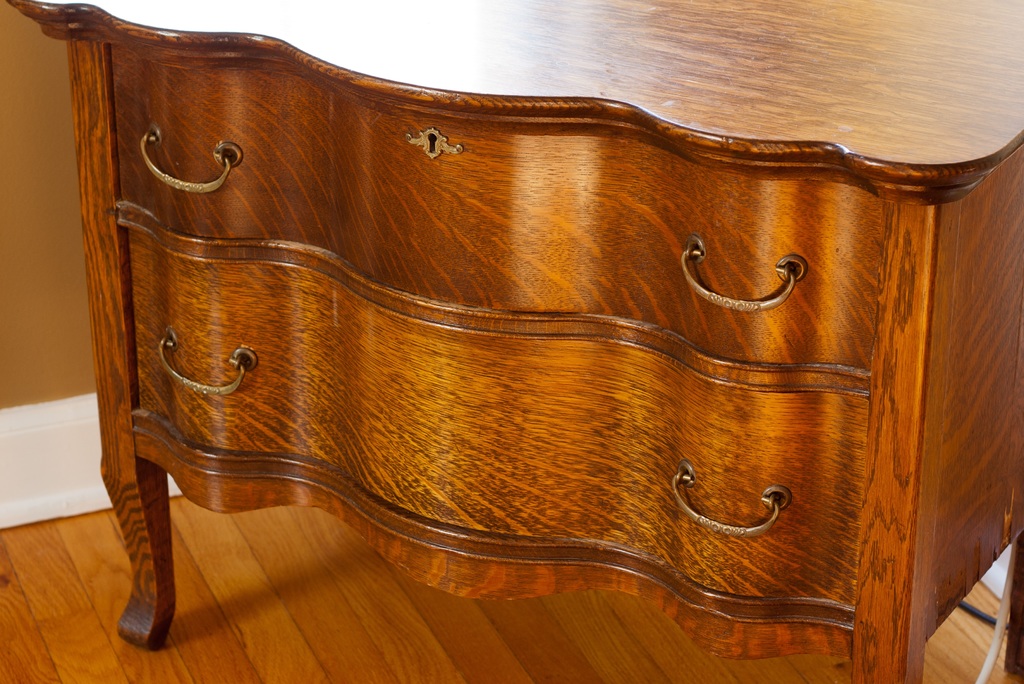
image - Effective Techniques to Help You Identify Different Types of Wood in Antique Furniture
Effective Techniques to Help You Identify Different Types of Wood in Antique Furniture

This information is essential if you want to keep your antique furniture in good condition or even if you want to speak to a specialist in furniture restoration Sydney.

Fortunately, there are ways of identifying the wood type.

Start By Inspecting Joints

All furniture made before 1860 was made by hand. That means, if you have an item with handmade joints instead of machine finished, you’re almost certain to be looking at an antique.

Of course, there are some modern artisans that like to handmake their furniture, but this is unlikely to look like it’s antique.

This confirms it is an antique, but not necessarily the wood type.

Know The Style

Perhaps the best way of assessing the wood type is to actually know the different styles of furniture available. Most antique pieces are either traditional English or Colonial American.

  • Early 18th century

If an item has graceful curves and doesn’t have a lot of decoration it is likely to be from the early 18th century and will be referred to as a Queen Anne piece.

If this is the case it will most likely be made from walnut. However, cherry, oak, and even maple were also popular choices at this time.

  • Late 18th century

By the end of the century carvings on wood furniture were much more ornate. This type of furniture is generally referred to as Georgian Chippendale and almost always was made of mahogany.

Of course, there were other styles in this period. A more Greek style of carving signified a Georgian Adam piece, but this is also made of mahogany.


Read Also:

  • Oakwood: Properties, Species, and Advantages of Oak Wood Furniture
  • Why Ergonomic Furniture Is Important for Your Workspace
  • Beautify Your Home with Timber Wood Furniture!

The Hepplewhite also uses mahogany but sometimes sported a satinwood inlay. This type of furniture had fewer carvings and very straight legs, often narrowing.

In fact, mahogany was the most common wood for all antique furniture until the second half of the 19th century when rosewood and walnut were also used.

American Colonial

In contrast, American Colonial items tended to be made from pine, maple, or birch. This was the wood more readily available in America. Pieces from the 18th century favored pine while the 19th century actually preferred cherry.

These woods tend to be lighter than the traditional English styles although the carvings and other features were surprisingly similar.

Don’t forget, before you decide to invest n restoring or maintaining a piece of antique furniture, verify its real condition. The older it is the more likely it is to have wood rot, you don’t want to introduce that into your home.
0
0
2
0
Total
2
Shares
Pin it 2
Share 0
Tweet 0
Share 0
Share 0
Related Topics
  • furniture
  • wood
Previous Article
featured image - Trendy vs Timeless Home Remodeling Tips
  • Home Improvement
  • DIY

Trendy vs Timeless Home Remodeling Tips

  • Perla Irish
  • May 26, 2022
View Post
Next Article
featured image - How to Give Your Backyard a Luxurious Upgrade with These 10 Things!
  • Home Improvement
  • DIY

How to Give Your Backyard a Luxurious Upgrade with These 10 Things!

  • Perla Irish
  • May 26, 2022
View Post

You May Also Like

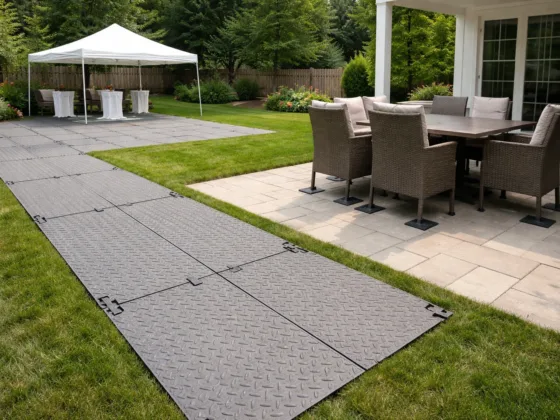
Temporary ground protection panels installed over lawn beside a residential patio to prevent surface damage during an outdoor event
View Post
  • Lawn & Garden
  • Lawn Care

How to Protect Your Lawn and Outdoor Surfaces During Events (Before Damage Sets In)

  • Perla Irish
  • February 23, 2026
Side-by-side comparison of casement and double hung windows in a modern home interior
View Post
  • Remodeling

Replace Casement Window with Double Hung? Structural & Code Impacts

  • Perla Irish
  • February 20, 2026
New residential asphalt driveway with smooth surface and landscaped edges
View Post
  • Home Improvement

Asphalt Driveway Advantages vs Concrete: Cost, Lifespan & Structural Value

  • Perla Irish
  • February 20, 2026
Modest kitchen with wood-look faux butcher block countertop
View Post
  • Kitchen

DIY Faux Butcher Block Countertops: Cost, Durability & Long-Term Reality

  • Perla Irish
  • February 14, 2026
Modular furniture components arranged as an adaptive interior system rather than fixed standalone pieces.
View Post
  • Furniture

Modular Furniture Beyond Sofas: Designing Interiors That Adapt Over Time

  • Perla Irish
  • January 27, 2026
Flexible living room interior layout illustrated as a system, showing modular seating, storage, and furniture arranged for long-term adaptability rather than fixed styling.
View Post
  • Home Interior

Flexible Living Room Layouts: Designing Spaces That Adapt Over Time

  • Perla Irish
  • January 26, 2026
Neutral living space illustrating eco-friendly interior design through flexible layout and long-term adaptability.
View Post
  • Home Interior

Transforming Your Home With Eco-Friendly Interior Design

  • Perla Irish
  • January 26, 2026
Illustration showing a neutral living room layout with abstract seating zones and circulation space.
View Post
  • Furniture

What Is a Modular Sofa and Why It Works for Modern Living Rooms

  • Perla Irish
  • January 21, 2026

Join 13,000 folks!

Get instant access to our weekly newsletter where we share the best! 100% Privacy. No Spam.

  • Disclosure & Affiliate Policy
  • Privacy Policy
  • Terms of Use
  • About
  • Sitemap
  • Contact Us

Input your search keywords and press Enter.