Small home system problems are easy to overlook when everything still seems to work, but minor warning signs can quickly lead to expensive repairs. From HVAC issues and electrical symptoms to leaks, appliance problems, and water heater maintenance, staying ahead of small changes helps homeowners prevent bigger damage and avoid surprise repair bills. A simple preventative home maintenance routine can also make every minor home repair easier to manage before it turns into a larger problem. Paying attention to each small home repair warning sign gives homeowners more control over timing, cost, and stress. A steady home preventative maintenance habit is often what keeps one small issue from becoming several expensive repairs.
Small Home Repair Issues To Watch
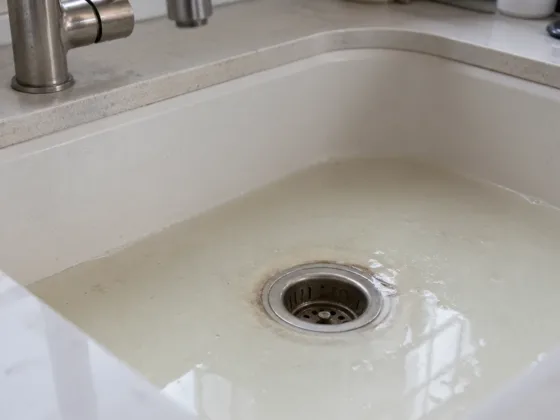
A “small” home system issue is any problem that does not stop the house from functioning today but quietly signals that something is wearing down, leaking, overheating, clogging, loosening, running inefficiently, or behaving differently before it fully fails. Examples include a furnace that takes longer to warm the home or runs longer than usual, a dripping shutoff valve, a breaker that trips once in a while, a slow or gurgling drain, a noisy appliance, a weak airflow vent, a light that flickers only when an appliance starts, a thermostat that seems slightly inaccurate, a refrigerator that cycles more often, or a water heater that makes new popping sounds.
Homeowners often ignore these issues because the house still “works.” The heat still comes on. The sink still drains. The lights still turn back on after the breaker is reset. The outlet still powers the lamp. That makes the problem feel inconvenient rather than urgent, so the issue gets mentally filed under “deal with it later.”
The risk is that most major home repairs do not start as dramatic failures. They start as small symptoms. Home systems usually do not fail without warning. They whisper first. A small issue is often your home’s early warning system, giving you a preview of the repair bill before it becomes expensive. When homeowners treat those early signs as background noise, they lose the cheapest and easiest window to fix the problem.
Home Heating System Issues That Get Expensive
Most home heating system issues become expensive when they force the system to work harder than it was designed to. A dirty filter, weak blower motor, clogged burner, loose electrical connection, blocked vent, failing ignitor, inaccurate thermostat, or dirty flame sensor may seem minor at first. But each one can increase strain on other parts of the system, which is why regular heating maintenance is important before small symptoms become larger repairs..
For example, restricted airflow from a clogged filter can make the system run hotter, longer, and less efficiently. Overheating can trigger safety shutoffs, damage internal components, shorten the life of the blower motor, or crack the heat exchanger in severe cases. A weak blower motor does not only affect comfort. It can create uneven heating and put stress on other components. A small ignition issue or dirty flame sensor can become a no-heat emergency. A loose electrical connection can damage a control board. A neglected noise can turn into a motor failure.
This is where homeowners often get surprised. The original problem may be inexpensive, but the damage caused by delay is not. A furnace is a connected system. When one part struggles, the rest of the equipment works harder to make up for it.
The most expensive heating repairs often happen when one inexpensive part is allowed to stress several expensive parts. Early service is not just about fixing the first problem. It is about stopping the chain reaction. A good way to think about heating repairs is this: early repairs fix the cause; late repairs often fix the consequences.
Preventative Furnace Maintenance Cost vs Emergency Repair Cost
Preventative furnace maintenance is planned, predictable, and scheduled when the system is still working. That gives the homeowner time to plan, ask questions, compare options, and fix small concerns before peak heating season. Emergency repair is unplanned, time-sensitive, and often happens after the system has already stopped working.
The real difference is not just the service fee. It is the situation. Preventative maintenance happens when the homeowner has options. Emergency repair happens when the house is cold, schedules are full, parts may not be immediately available, and the homeowner needs the system restored quickly.
Preventative maintenance is also diagnostic. A technician can spot a worn ignitor, dirty flame sensor, weak capacitor, airflow problem, dirty burners, loose connections, worn parts, or unsafe operation while the furnace is still operating. Many home heating system issues can be spotted during this kind of visit before they become no-heat emergencies. Emergency repair may involve the same issue after it has caused a breakdown, damaged another component, or left the home without heat.
So the comparison is not just “maintenance visit vs repair bill.” It is planned care vs crisis response. In simple terms, maintenance is paying to keep control of the repair timeline. Emergency repair is paying after the timeline has been chosen for you.
Minor Home Repair Tasks That Prevent Bigger Problems
Some of the most valuable home maintenance tasks are simple because they reduce stress on major systems. The value of a minor home repair is that it often removes pressure, water, heat, vibration, or electrical strain before those problems spread.
For HVAC, homeowners can replace dirty filters regularly, keep supply and return vents open and unblocked, clear debris from outdoor units, check that thermostat settings are accurate, pay attention when the system starts running longer than normal, consider duct cleaning if airflow is weak or dust buildup is noticeable, and schedule seasonal tune-ups before heavy heating or cooling demand.
For plumbing, small tasks include fixing slow leaks, replacing worn toilet flappers, checking under sinks for moisture, checking appliance supply hoses, insulating exposed pipes before freezing weather, cleaning slow drains before they fully clog, and testing shutoff valves so they work during an emergency.
For electrical systems, homeowners can watch for flickering lights, warm outlets, buzzing switches, frequently tripped breakers, damaged cords, and overloaded power strips. Homeowners should not “manage” electrical symptoms by repeatedly resetting breakers or using more extension cords. Anything involving heat, burning smells, sparks, or repeated breaker trips should be handled by a licensed electrician.
For appliances, homeowners can clean dryer lint buildup, inspect washer hoses, clean refrigerator coils, replace cracked dishwasher seals, avoid overloading machines, and pay attention to unusual sounds, smells, cycle times, heat, or moisture.
The best minor repairs are the ones that remove pressure, water, heat, vibration, or electrical strain before they damage the larger system. Those categories are where many expensive repairs begin.
When A Small Home Repair Cannot Wait
A small repair should not be delayed when it involves safety, water, heat, electricity, gas, mold, or a worsening pattern. When a small home repair involves one of those risks, waiting can make the problem more expensive and harder to control.
Homeowners should act quickly if they notice burning smells, warm outlets, buzzing electrical components, sparks, repeated breaker trips, carbon monoxide detector alerts, gas odors, water stains, active leaks, moldy smells, sewage odors, furnace short-cycling, strange mechanical noises, sudden utility bill increases, weak airflow, uneven heating, or appliances that feel unusually hot. Repeated heating symptoms can also point to home heating system issues that should be checked before they cause a full breakdown.
One of the most overlooked warning signs is repetition. A one-time odd sound may be worth monitoring. The same sound every day is a pattern. A drain that clears once may not be urgent. A drain that keeps slowing down is telling you there is a developing blockage. A breaker that trips once may be a fluke. A breaker that trips repeatedly is not something to keep resetting.
The rule is simple: if the symptom affects safety, comfort, water control, electrical performance, or keeps coming back, it deserves attention now. Do not treat it as minor.
How Preventative Home Maintenance Saves Money
Preventative home maintenance helps homeowners avoid surprise repair bills by turning hidden wear into visible decisions. Instead of discovering a failed furnace on the coldest night of the year or a leaking water heater after flooring is damaged, homeowners can catch worn parts, corrosion, leaks, clogs, loose connections, and efficiency problems while they are still manageable.
Most home systems age quietly. Parts loosen, filters clog, seals dry out, hoses weaken, drains build residue, wires heat and cool, and motors lose efficiency. None of that feels urgent until the day something stops working.
Maintenance gives homeowners a chance to catch those changes while the repair is still small, planned, and isolated. A planned tune-up, filter change, hose replacement, drain cleaning, or inspection is easier to manage than a sudden system failure. Preventative maintenance does not guarantee that nothing will ever break, but it lowers the odds of being surprised by preventable problems.
It also protects the systems around the original issue. A small leak is not only a plumbing problem. It can become a flooring, drywall, cabinet, mold, and electrical problem. A dirty HVAC filter is not only an airflow problem. It can become an efficiency, comfort, motor, and overheating problem. A clogged dryer vent can be cleaned before it overheats the appliance or becomes a fire hazard.
The financial value of maintenance comes from catching the problem while it is still one problem. It replaces panic with planning.
What Is The Most Expensive Home Repair That Can Start Small?
Water damage is one of the most expensive home repairs that can start from a small overlooked issue. A loose supply line, tiny roof leak, clogged gutter, cracked caulk line, failing appliance hose, slow water heater leak, or plumbing drip may not look serious at first. But water spreads behind walls, under floors, into cabinets, through ceilings, around electrical components, and into drywall, insulation, flooring, framing, cabinets, and structural materials. If moisture lingers, mold can add another layer of repair and remediation.
The reason water-related repairs are so costly is that water travels. It does not respect the boundaries of the original problem. The original issue may be small, but the damage rarely stays in one place. A small leak can become a whole-room repair if it is hidden long enough.
Foundation issues can also begin with small drainage problems. Gutters that overflow, downspouts that discharge near the house, poor grading, or soil that slopes toward the foundation can allow water to collect where it should not. Over time, that can increase pressure around the foundation and contribute to cracks, settlement, movement, basement moisture, and structural stress.
The most expensive home repairs often start as the easiest ones to ignore because the damage begins out of sight. A small home repair handled early may be the only thing standing between a simple fix and a much larger restoration project.
When To Schedule Home Preventative Maintenance
A good rule of thumb is to inspect major systems seasonally and schedule professional service annually for systems that affect safety, comfort, or water control.
Homeowners should think of preventative maintenance in two layers: quick homeowner checks and professional system service.
Homeowner checks should happen monthly or seasonally. These include looking for leaks, replacing HVAC filters, checking for unusual noises, testing alarms, watching utility bills, clearing debris, and noticing changes in how systems perform. Homeowner checks are also the foundation of home preventative maintenance because they make small changes easier to catch.
Heating systems should usually be serviced in the fall before cold weather. Cooling systems should be checked in the spring before heavy summer use. Heat pumps that run for both heating and cooling should receive professional maintenance at least once a year, and some homes may benefit from spring and fall service because the system works year-round.
Plumbing should be visually checked several times a year, especially under sinks, around toilets, near the water heater, around appliance hoses, and in basements or crawl spaces. Electrical systems should be checked whenever there are warning signs, after renovations, or when the home has older wiring, an outdated panel, or frequent breaker trips.
Appliances should be maintained according to use. Dryer vents, washer hoses, refrigerator coils, dishwasher seals, and water heater areas are worth checking regularly because small failures there can create fire hazards, leaks, or expensive appliance repairs.
Plumbing, electrical, and appliance systems should also be inspected before buying or selling a home, and as part of an annual home maintenance routine. This kind of preventative home maintenance gives homeowners a better chance to address problems before they become urgent.
The best schedule is not only annual. It is seasonal awareness plus professional service before peak demand. The point is not to schedule service randomly. The point is to inspect systems before their hardest season, not after they have already been pushed to failure.
A Simple Preventative Home Maintenance Checklist
Homeowners can use this simple checklist to catch small issues before they grow. The goal is not to make homeowners obsess over every sound or stain. The goal is to notice small changes early, because the cheapest repair is usually the one handled before it becomes urgent.
Once a month, homeowners should check HVAC filters and replace them when dirty. They should walk through the home and listen for unusual sounds from the furnace, AC, water heater, refrigerator, dishwasher, washer, dryer, and exhaust fans. They should look under sinks and around toilets for moisture, stains, or musty smells, test smoke and carbon monoxide alarms, and watch for slow drains, weak airflow, flickering lights, and unusual odors.
Every season, homeowners should clear debris from outdoor HVAC equipment, make sure vents are not blocked, inspect exposed plumbing, check caulk around tubs and sinks, clean gutters and downspouts, look for roof, ceiling, or wall stains, test GFCI outlets, inspect appliance hoses, and make sure water is draining away from the house. Before winter, they should protect pipes from freezing and schedule heating maintenance. Before summer, they should prepare the cooling system and check outdoor drainage.
Once a year, homeowners should schedule professional HVAC maintenance, flush or inspect the water heater as appropriate for the system, clean the dryer vent, review the electrical panel for warning signs, inspect attic or crawl space areas for moisture, and check the home’s exterior for cracks, gaps, drainage issues, and failing seals.
The best preventative maintenance checklist is not complicated. It simply teaches homeowners to ask one question: “Has anything changed?” Most major repairs begin with a small change that someone noticed but did not act on. Keeping a home preventative maintenance checklist simple makes it easier to follow throughout the year, and this kind of minor home repair awareness can help homeowners act before a small issue becomes expensive.