When it comes to maintaining a home, the roof is arguably one of the most significant components. It protects the house from weather elements, ensures energy efficiency, and contributes to the overall aesthetic appeal.
However, roofing projects, whether repairs or installations, involve significant risks. This is where roofing safety standards come into play.
Understanding these standards is crucial for homeowners to ensure the safety of the workers, to protect their investment, and to guarantee the quality of the work done.
This article outlines the key roofing safety standards every homeowner should be aware of.
Understanding Roofing Risks
Roofing projects present a unique set of risks due to the height and nature of the work. One of the primary dangers is the risk of falling, which can occur due to a lack of proper safety measures or unforeseen accidents. Slips and trips are common on uneven or slippery roof surfaces, especially on steeper slopes.
Injuries can also arise from the improper use or malfunction of tools and equipment, as well as from handling heavy or sharp roofing materials. Moreover, roofers are often exposed to harsh weather conditions, which can include extreme heat, cold, or windy environments, further exacerbating the risks.
This reality underscores the importance of strict adherence to safety protocols to prevent accidents and ensure the well-being of the workers.
The Role Of Professional Roofers
Professional roofers possess a comprehensive understanding of roofing systems and the associated risks. Their training covers the technical aspects of installing and repairing roofs and encompasses a thorough knowledge of safety practices.
They are skilled in techniques for safely navigating rooftops, properly securing materials to prevent them from falling or shifting, and using tools in a manner that minimizes the risk of injury. The expertise of this roofer is crucial in managing the inherent risks of roofing work, ensuring that projects are completed efficiently and safely.
By hiring professional roofers, homeowners can significantly reduce the likelihood of accidents and ensure that their roofing projects adhere to high standards of quality and safety.
Safety Equipment And Gear
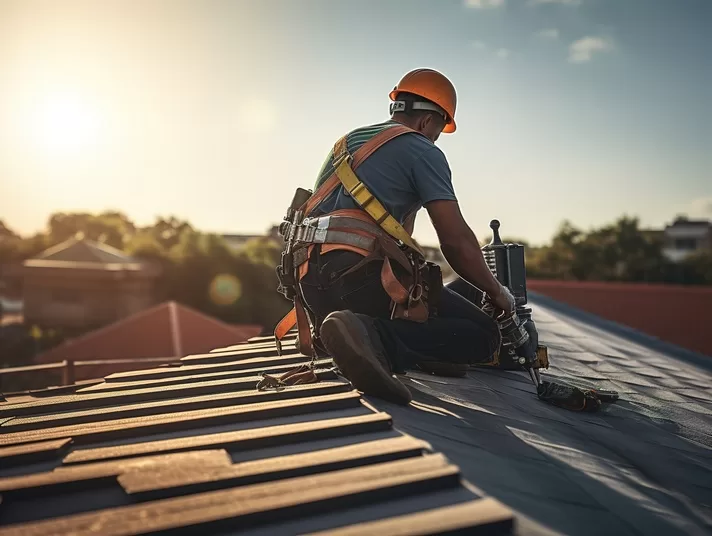
The use of appropriate safety equipment is a critical aspect of roofing safety. Harnesses, for instance, are essential for preventing falls. They provide a safety line that can catch a worker in the event of a slip, significantly reducing the risk of a fatal accident.
Helmets are vital for protecting against head injuries that might result from falling debris or tools. Non-slip footwear is equally important; it ensures a better grip on the roof surface, which is crucial for preventing slips and falls.
Gloves and protective eyewear are also key components of a roofer’s gear, protecting against cuts, abrasions, and eye injuries from flying debris or materials. This equipment is mandatory and plays a significant role in the overall safety of roofing projects.
Fall Protection Systems
Fall protection systems are a cornerstone of roofing safety, particularly for work on high or steep roofs.
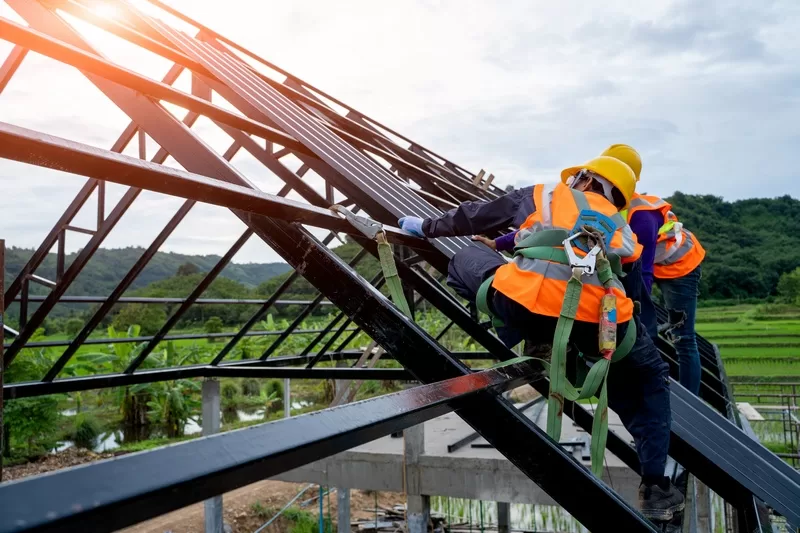
Guardrails provide a physical barrier that prevents workers from stepping off the edge of the roof. Safety nets are another critical component designed to catch workers in the event of a fall, thereby minimizing the impact and severity of potential injuries.
Other systems may include rope grabs, anchorage points, and full-body harnesses, all of which contribute to a comprehensive fall protection strategy.
These systems are often mandated by occupational safety regulations, underscoring their importance in maintaining a safe work environment.
Weather And Environmental Considerations
Extreme temperatures, whether hot or cold, can create hazardous working conditions. Heat can lead to dehydration and heat exhaustion, while cold conditions can result in slippery surfaces and decreased manual dexterity, increasing the risk of accidents.
Windy conditions present another challenge, as they can cause materials to shift or become airborne, posing a risk to both the workers and the structure below.
Planning roofing work around weather conditions, using appropriate gear for different climates, and implementing measures like wind barriers can significantly reduce these weather-related risks.
Legal And Insurance Aspects
Legally, roofing work must adhere to local building codes and safety regulations, which are designed to ensure the quality and safety of the work.
Insurance is equally important; it provides financial protection against accidents and damages that may occur during the roofing process. This includes workers’ compensation insurance, which covers injuries to workers, and liability insurance, which protects homeowners in the event of property damage or accidents.
Ensuring that roofing contractors are fully compliant and adequately insured is a crucial step for homeowners to protect themselves from potential liabilities and ensure that the roofing work is performed to standard.
Emergency Procedures And Training
Effective emergency response is a critical component of roofing safety. This involves having a well-defined plan for different types of emergencies, such as falls, medical emergencies, or severe weather events.
Regular training for roofing personnel is essential to ensure they are familiar with these procedures and can react promptly and effectively in an emergency. Training should cover first aid, rescue procedures, and the proper use of emergency equipment.
This preparedness is not only about responding to accidents but also about preventing them by ensuring that all workers are aware of and adhere to safety protocols. Regular drills and updates on safety procedures help maintain a high level of readiness and contribute to a culture of safety on the worksite.
Conclusion
Roofing safety standards are not just a set of guidelines but a crucial framework that ensures the well-being of workers and the effectiveness of roofing projects. From understanding the inherent risks of roofing work to implementing fall protection systems and adhering to legal requirements, these standards play a pivotal role.
As homeowners, being informed about these aspects is essential to ensure that roofing projects are completed safely, efficiently, and with the highest quality. Remember, a safe roofing project is a successful one.