• DIY
    • Crafts
      • Outdoors & Garden Projects
    • Decorating
      • Exterior Painting & Decorating
      • Painting & Wallpaper
      • Room by Room
    • Furniture
      • Cabinets
      • Tables
    • Woodworking
  • Home Improvement
    • Real Estate
    • Living
    • Entertaining
    • Home Building & Design
      • Home Interior
      • Home Exterior
    • Home Management
      • Home Organization
    • Remodeling
    • Living Areas
    • Bathroom
    • Kitchen
  • Lawn & Garden
    • Lawn Care
    • Vegetable Gardening
    • Landscaping
      • Irrigating
    • Flowers
    • Trees & Shrubs
  • Categories
    • Home Improvement
    • Lawn & Garden
    • Landscaping
    • Real Estate
Housesumo.com
  • DIY
    • Crafts
      • Outdoors & Garden Projects
    • Decorating
      • Exterior Painting & Decorating
      • Painting & Wallpaper
      • Room by Room
    • Furniture
      • Cabinets
      • Tables
    • Woodworking
  • Home Improvement
    • Real Estate
    • Living
    • Entertaining
    • Home Building & Design
      • Home Interior
      • Home Exterior
    • Home Management
      • Home Organization
    • Remodeling
    • Living Areas
    • Bathroom
    • Kitchen
  • Lawn & Garden
    • Lawn Care
    • Vegetable Gardening
    • Landscaping
      • Irrigating
    • Flowers
    • Trees & Shrubs
  • Categories
    • Home Improvement
    • Lawn & Garden
    • Landscaping
    • Real Estate
Featured of How to Remove and Replace Steel Casement Windows
  • DIY
  • Home Exterior
  • Home Improvement

How to Remove and Replace Steel Casement Windows with New Windows

  • Perla Irish
  • March 13, 2018
Total
103
Shares
103
0
0
0

Learn how to remove and replace steel casement windows with full frame replacement windows.

This article includes removing the interior and exterior trim, getting the old window out and installing the new window so it is plumb and square, caulking it and installing the trim to finish.
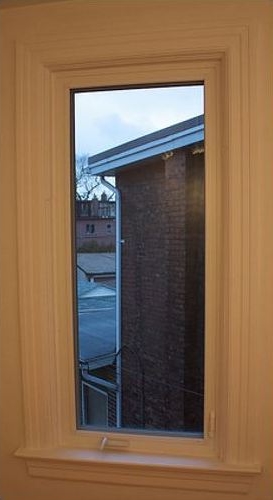
How to Remove and Replace Steel Casement Windows
How to Remove and Replace Steel Casement Windows with New Windows

Overview: Remove and Replace Steel Casement Windows

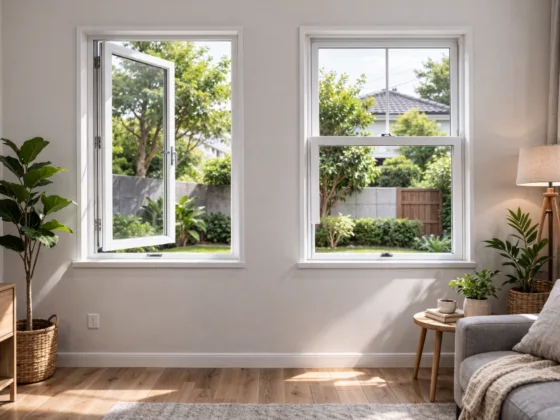
Steel casement windows provided functionality, good looks, and if maintained properly, a durability unmatched by any other window. However, old steel casement windows tend to leak air and moisture as they grow older. In historic buildings, they can be restored or replaced. For most homes, replacement with aluminum, vinyl or wood is the most practical solution. Here’s how to remove and replace steel casement windows.


Read Also:

  • How to Remove Casement Windows and Install Vinyl Double Hung Windows
  • How to Build Custom Window Screens with Wooden Frames
  • How to Measure for Vinyl Replacement Windows

Getting Started: Remove and Replace Steel Casement Windows

Remove the interior trim. Some old molding styles are difficult to replace and if keeping the same look is your plan, you’ll want to remove it carefully to cause as little damage as possible. First, cut the seal made between the molding and the paint with a utility knife. Push a stiff putty knife between the molding and the wall near a corner of the trim and pry it loose. Work all the way around a window, then switch to a small, flat pry bar. Remove the nails from the molding by pulling them out through the back with large pliers.

Measure the rough frame to determine what size window to order. Place your order and wait for the new windows to arrive. Measure the new windows to make sure they will fit before you remove the old windows.

Remove the exterior trim to expose the window nailing fin. If there is no nailing fin, the steel window frame is screwed directly into the rough frame. You’ll either need to locate these screws and remove them or cut through them with a reciprocating saw. Remove the nails from the nailing fin. Be sure not to remove or damage the thin, metal flashing at the top of the window. At this point, you should be able to lift the window out of the opening. Get a helper—steel windows are heavy.
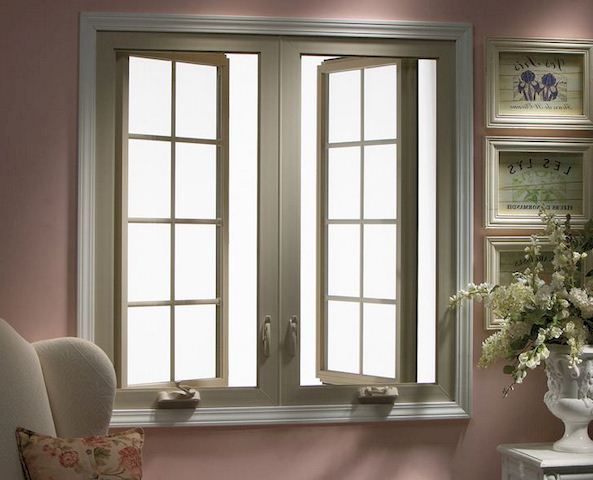
How to Replace Steel Casement Windows

Install New Windows

First, set the window into the opening and center it. Place a level on the bottom frame and use shims to level it. Add shims to the sides to take up the space between the rough frame and the window frame.

Check the sides for plumb (vertically level) by placing a level against the face of the frame, and the front of the frame. The window must be level in all three dimensions—horizontally, vertically on the sides, vertically on the front. Screw the window to the rough frame in the manner specified by the window manufacturer.

Check the window for plumb and level after it is fastened in place. Measure between the inside opposing diagonal corners of the frame to check for square; top left to bottom right and top right to bottom left. The two measurements should be equal or very close, within 1/16 inch or less. If not, loosen the screws holding the window in place and use shims to nudge the window into a square.

Reinstall the exterior molding and caulk between the molding and siding, and between the molding and window frame to seal the window. Inside, use non-expanding foam to fill the gap between the window frame and the rough frame. Be cautious not to overfill and wait to install the trim until the foam is set and hard to the touch. Install the interior trim to finish how to remove and replace steel casement windows.


Credits and Resources

  • Photo by Jeremy Burgin at Flickr.com
  • Windows of Opportunity: DIY Window Replacement: https://extremehowto.com/windows-of-opportunity-diy-window-replacement/

0
0
103
0
Total
103
Shares
Pin it 103
Share 0
Tweet 0
Share 0
Share 0
Previous Article
Understanding Home Remodel Cost: Avoid Pitfalls and Unexpected Cost
  • Home Improvement
  • DIY
  • Home Exterior

Understanding the True Cost of a Home Remodel

  • Perla Irish
  • March 12, 2018
View Post
Next Article
Featuired of Ideas for Decorating Sunrooms
  • Exterior Painting & Decorating
  • Decorating
  • DIY
  • Home Improvement
  • Tips

Ideas for Decorating Sunrooms

  • Perla Irish
  • March 15, 2018
View Post

You May Also Like

Modular furniture components arranged as an adaptive interior system rather than fixed standalone pieces.
View Post
  • Furniture

Modular Furniture Beyond Sofas: Designing Interiors That Adapt Over Time

  • Perla Irish
  • January 27, 2026
Flexible living room interior layout illustrated as a system, showing modular seating, storage, and furniture arranged for long-term adaptability rather than fixed styling.
View Post
  • Home Interior

Flexible Living Room Layouts: Designing Spaces That Adapt Over Time

  • Perla Irish
  • January 26, 2026
Neutral living space illustrating eco-friendly interior design through flexible layout and long-term adaptability.
View Post
  • Home Interior

Transforming Your Home With Eco-Friendly Interior Design

  • Perla Irish
  • January 26, 2026
Illustration showing a neutral living room layout with abstract seating zones and circulation space.
View Post
  • Furniture

What Is a Modular Sofa and Why It Works for Modern Living Rooms

  • Perla Irish
  • January 21, 2026
Architectural visualization showing an off-the-plan residential project before construction begins.
View Post
  • Home Building & Design

A Builder’s Guide to Marketing New Property Projects

  • Perla Irish
  • January 13, 2026
Technician checking a refrigerator in a home kitchen in Winter Garden, Florida
View Post
  • Home Improvement

Refrigerator Repair in Winter Garden: A Practical Homeowner’s Guide

  • Perla Irish
  • December 31, 2025
Side-by-side view of common metal finishes showing chrome shine, copper patina, and matte black texture.
View Post
  • Home Improvement
  • Home Interior

How to Choose the Best Metal Plating for Home Fixtures (What Actually Lasts)

  • Perla Irish
  • December 30, 2025
Vintage bathroom with clawfoot tub, subway tiles, and wooden vanity in a timeless, neutral design
View Post
  • Bathroom
  • Home Interior

Vintage Bathroom Décor Ideas That Feel Classic, Not Dated

  • Perla Irish
  • December 29, 2025

3 comments

  1. Ray Batchelor says:
    September 5, 2018 at 4:32 am

    Building is brick veneer with plaster walls ten in. thick. Steel casement windows have been replaced with metal clad thermapane ones. Now have rot at the base of window. Cause? Solution?

    Reply

Leave a Reply Cancel reply

Your email address will not be published. Required fields are marked *

This site uses Akismet to reduce spam. Learn how your comment data is processed.

Join 13,000 folks!

Get instant access to our weekly newsletter where we share the best! 100% Privacy. No Spam.

  • Disclosure & Affiliate Policy
  • Privacy Policy
  • Terms of Use
  • About
  • Sitemap
  • Contact Us

Input your search keywords and press Enter.