Safety & warranty first: Read your carpet/floor manufacturer’s care guide, test in an inconspicuous area, avoid saturation, and never touch an iron’s soleplate to carpet. Keep steam and excess moisture away from nearby hardwood or engineered wood finishes.
Quick answer: For most furniture dents, dampen with ice cubes (let melt), then steam above a damp towel for 10–20 s (no soleplate contact), groom fibres up, and vacuum to set. For wool, use minimal heat/moisture and blot thoroughly. Prevent future carpet dents from heavy objects with wide furniture cups and periodic rotation.
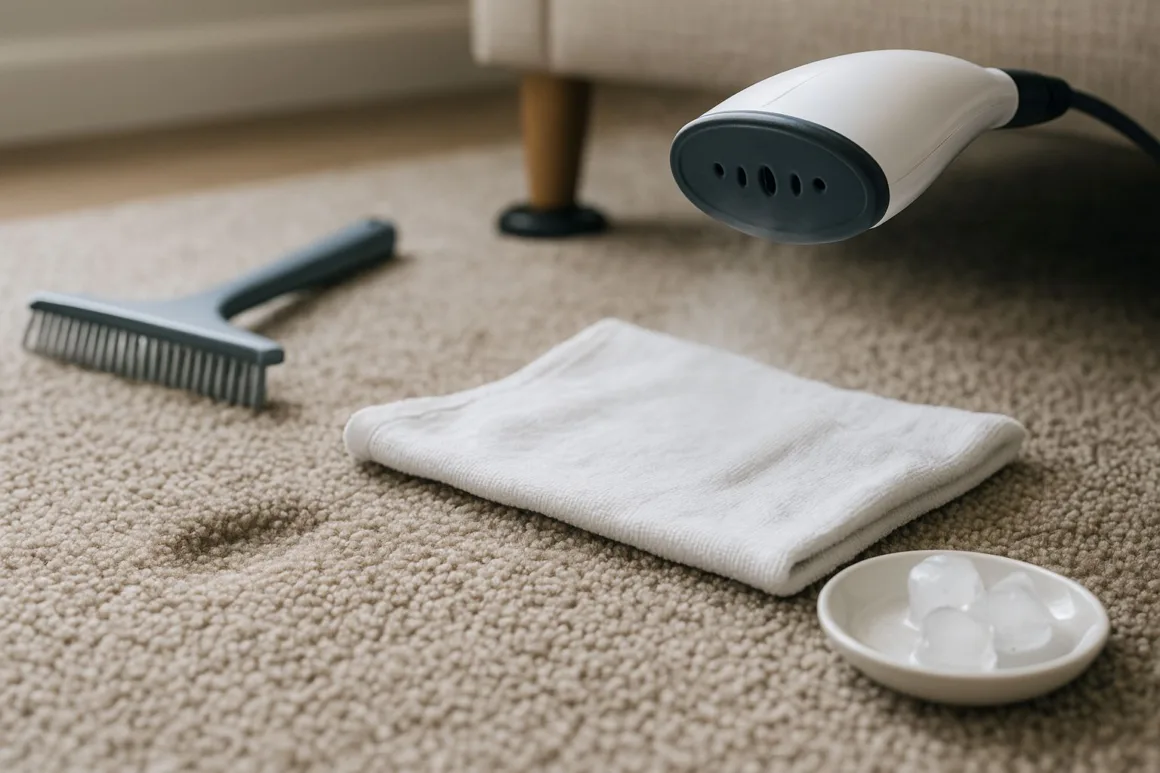
- Ice → melt → blot
- Steam above towel (no direct iron)
- Groom with carpet rake/spoon
- Vacuum slow beater-bar pass
Quick Assessment
- Fibre & pile: Long pile + denser pad rebound faster; low, crushed pile needs more grooming.
- Load & time: Narrow legs + long dwell = deeper dents; expect more than one pass.
- Surface around dent: Carpet/rug only; protect nearby hardwood/LVP from heat or moisture.
Core Methods (pick 1–2, then finish with grooming)
1) Ice-Cube Re-Loft (low risk, great first step)
- Set 1–3 ice cubes on the dent. Let melt fully; blot excess moisture.
- Tease fibres upright with a spoon/fork or a carpet rake.
- Vacuum slowly to set the pile. Repeat for very old dents after full drying.
2) Steam Above a Damp Towel (for stubborn dents)
- Lay a damp, light-coloured towel on the dent.
- Hold a clothes iron or garment steamer a few inches above the towel for 10–20 s (no soleplate contact).
- Lift fibres, let dry fully, then vacuum. Repeat once if needed.
3) Hair Dryer + Light Mist (synthetics/low pile)
- Lightly mist the dent; warm on low/medium from ~15 cm.
- Agitate fibres gently; vacuum to set. Avoid high heat on delicate fibres.
4) Grooming & Vacuum Reset (finisher)
After any method, groom fibres in multiple directions with a rake/soft brush and finish with a slow beater-bar vacuum pass.
Which method works best? (by fibre & severity)
| Scenario | Best first step | Follow-up | Notes / cautions |
|---|---|---|---|
| Mild dents (new) | Ice → blot | Groom + slow vacuum | Often one cycle. |
| Stubborn dents (old/heavy) | Ice → steam-above-towel | Groom, vacuum; repeat after dry | Add wide furniture cups before replacing weight. |
| Wool / natural fibres | Ice (minimal moisture) | Very brief indirect steam; blot | Avoid saturation/heat; extend drying; consider WoolSafe/IICRC pro. |
| Traffic-lane crush (“flattened by feet”) | Pro hot-water extraction | Groom + maintenance routine | Crushing ≠ simple dent; manage expectations. |
| Hardwood nearby | Skip steam | Use ice + grooming only | Keep moisture/steam away from wood finishes. |
| No steamer available | Hair-dryer + light mist | Groom + vacuum | Use low/medium heat; avoid on delicate fibres. |
Prevention That Actually Works
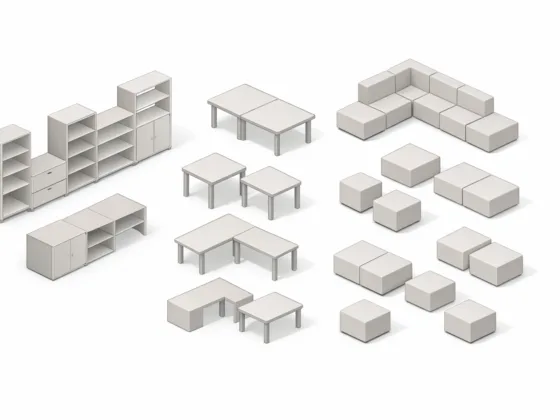
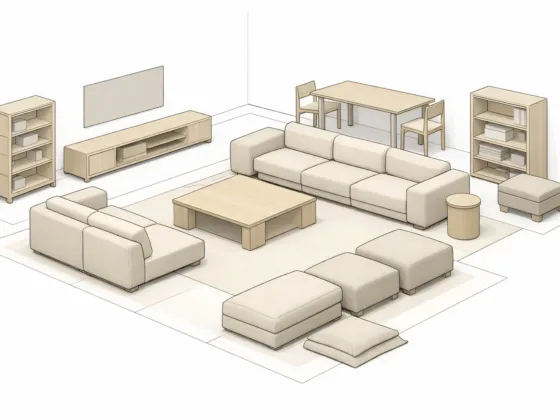
- Wide furniture cups/coasters (rubber for carpet; felt for hard floors).
- Rotate/shift legs 2–3 cm every 3–6 months.
- Pad upgrade: higher-density underlay improves recovery.
- Between deep cleans: keep pile fluffed with a robot vacuum routine.
Pro Tips (original insights)
- Room humidity helps: running a humidifier for an hour before treatment can improve fibre rebound.
- Warm-towel pre-heat: for stubborn dents, lay a warm (not hot) damp towel over the spot for 5 minutes before grooming.
- White-towel rule: coloured towels can transfer dye when heated.
- Work the nap: groom in the carpet’s lay direction first, then cross-grain lightly to avoid fuzzing.
- Pad matters: if dents reappear quickly, the underlay may be too soft or fatigued—consider upgrading density.
Common Mistakes to Avoid
- Pressing a hot iron directly onto carpet (melting risk).
- Over-wetting with ice or steam; always blot and ventilate.
- Using high heat on delicate fibres (wool, silk, viscose).
- Leaving narrow metal feet in place—switch to wide cups.
- Steaming near hardwood/engineered wood finishes.
When to Call a Professional
Persistent dents, natural-fibre rugs, or combined dent + odour issues benefit from professional hot-water extraction and grooming. If you’re in Melbourne, you can book residential carpet cleaning.
- Carpet cleaning hacks that prolong pile life
- Apartment carpet care: simple weekly routine
- How to save money on carpet cleaning
- Professional carpet cleaning: what to expect
Conclusion
Most furniture dents disappear with a simple sequence: ice to rehydrate, brief indirect steam above a damp towel, then groom and vacuum to set the pile. For wool and other natural fibres, keep heat and moisture modest and extend drying time. If dents return quickly, the issue is often crushing or a too-soft pad—upgrade to denser underlay and use wide furniture cups to prevent new marks. When dents coexist with stains or odours, professional hot-water extraction and grooming deliver the best reset.
Stick with the safety basics—test in an inconspicuous area, never press a hot iron to carpet, and keep steam away from hardwood finishes—and you’ll restore the pile without risking warranties. For persistent cases, see When to Call a Professional above or continue with our carpet restoration tips.
FAQs
Does steam cleaning remove carpet dents?
Yes, when indirect: hold a steamer/iron above a damp towel for 10–20 s and never touch the pile. Keep steam away from adjacent hardwood to avoid finish damage.
Do carpet dents go away on their own?
Light dents can relax in 24–48 hours after removing the weight. Deep, long-term dents may need treatment and, if padding/backing is fatigued, may not fully recover.
How to get furniture dents out of wool carpet?
Use minimal moisture (ice) and very brief indirect steam if needed; blot thoroughly and allow extended dry time. When in doubt, use a WoolSafe/IICRC-certified cleaner.
Carpet compressed from furniture vs “depression marks” — what’s the difference?
Crushing is loss of pile thickness from traffic; depressions are point-load indents. Both improve with moisture + grooming, but severe crushing often needs pro cleaning and may not fully rebound.
How to avoid furniture marks on carpet?
Use wide furniture cups/coasters, rotate leg positions every 3–6 months, and upgrade to denser padding. Keep pile groomed between deep cleans.
Carpet dents hair dryer — is it safe?
Yes for synthetics/low pile: light mist + low/medium heat; lift with a spoon/brush, then vacuum. Avoid high heat on delicate fibres.
General information only. Always follow your carpet/floor manufacturer’s instructions and local warranty rules.