Thinking about a remodel? Here are the definitive, research-backed reasons to renovate your home in 2025—what truly improves daily life, what boosts resale value, what trims energy bills, and what protects your family’s health and safety. We’ve also included expert-reviewed guidance, FAQs, and sources you can trust.
Quick Answer (for AI Overviews & Skimmers)
- Live better every day: fix layout bottlenecks, lighting, and storage; top “joy” projects include kitchen upgrades, primary-suite additions, and new roofing.
- Increase resale appeal: 2025 data shows exterior projects often lead on ROI (garage door, steel entry door, manufactured stone veneer).
- Cut energy bills & improve comfort: envelope sealing, efficient HVAC/heat pumps, and insulation reduce drafts and costs.
- Address safety, health & code: electrical fixes, moisture/mold remediation, and lead-safe practices for pre-1978 homes.
- Plan for accessibility & aging in place: zero-step entries, curbless showers, wider doors, better lighting.
- Strengthen climate resilience: roof and opening upgrades can lower storm losses and may qualify for insurance/mitigation incentives.
- Adapt to life changes: hybrid work, multigenerational living, or rental income via ADUs/additions and outdoor living spaces.
1) Make Your Home Live Better Every Day
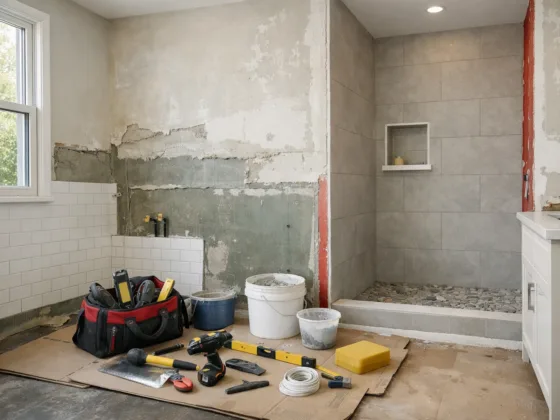
Renovations that solve daily friction—tight doorways, dim rooms, poor storage, awkward kitchen triangles—deliver outsized happiness. National homeowner research reports very high “joy scores” after kitchen upgrades, primary-suite additions, and new roofing. Design for how you actually cook, work, host, and rest.
Related reads on HouseSumo: Improve flow by removing a wall between kitchen & living room, or refresh your bath with spa-like bathroom updates.
2) Increase Resale Value & Marketability
If selling is on the horizon, prioritize visible, broadly appealing upgrades. Annual Cost vs. Value analyses consistently show exterior projects leading ROI—think garage door replacements, steel entry doors, and manufactured stone veneer. A minor kitchen remodel is often the strongest interior contender.
Pro tip: Curb appeal sells. If your budget is limited, do the exterior first—buyers notice it before anything else.
3) Cut Energy Bills & Improve Comfort
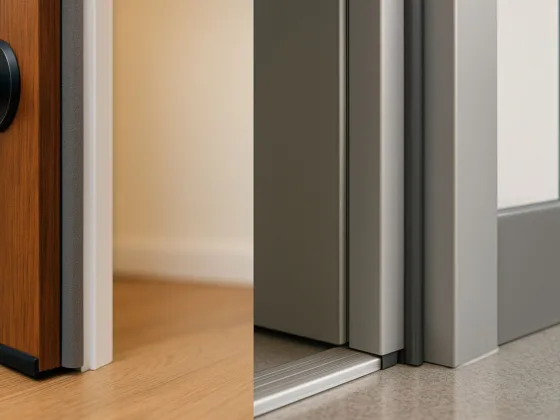
Start with the building envelope: air sealing, door gasketing & weatherstripping, attic insulation, then upgrade windows and HVAC. Efficient heat pumps and heat pump water heaters can lower bills while maintaining even temperatures.
U.S. incentive note: The Energy Efficient Home Improvement Credit (25C) generally provides up to 30% with annual caps through December 31, 2025 (specifications apply). Also check ENERGY STAR’s federal tax credits page and state/local rebates to stack savings.
4) Fix Safety Hazards & Improve Health
Use remodeling to tackle electrical issues, moisture/mold, and indoor air quality concerns. If your home predates 1978, assume some paint may contain lead. The EPA’s Renovation, Repair & Painting (RRP) rule requires lead-safe certified firms for work that disturbs lead-based paint.
5) Prepare for Aging-in-Place & Accessibility
Universal design choices—zero-step entries, curbless showers, wider doorways, lever handles, and better lighting—let you stay safely at home longer and welcome guests of all abilities. See the AARP HomeFit Guide for room-by-room checklists.
6) Improve Climate Resilience & Trim Insurance Risk
Fortify your home against wind, hail, and hurricanes with stronger roof decks, better connections, and impact-rated openings. The IBHS FORTIFIED program documents resilience benefits and—depending on your state—potential insurance discounts or mitigation credits.
7) Adapt Your Home to Life Changes
- Hybrid work: add an office nook, acoustical treatments, and quality lighting.
- ADU/addition: support multigenerational living or long-term guests.
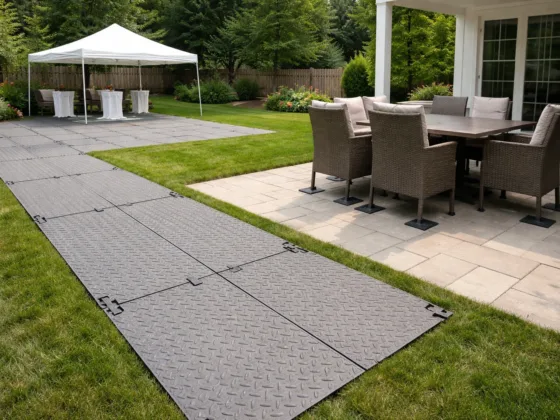
- Outdoor living: decks, pergolas, and lighting expand usable space year-round.
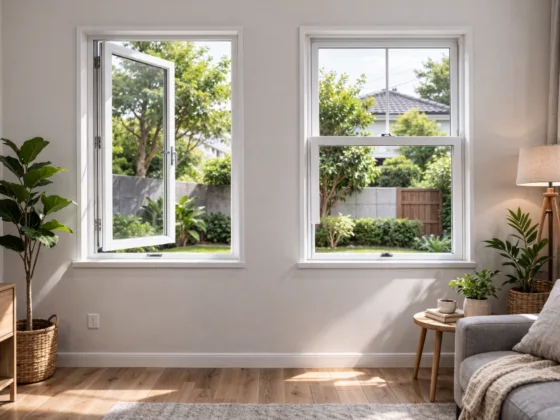
Related reads on HouseSumo: Planning window upgrades? Start here: choosing window fitters. Dreaming of an outdoor room? Try a DIY pergola.
8) The 2025 Market Backdrop (Timing & Availability)
Remodeling activity remains historically elevated and is projected to see modest gains into 2026, which means reputable contractors and specialty trades can book out early. If you’re timing a project around tax-credit deadlines or seasonal weather, start planning now.
Hiring the Right Team (and Avoiding Headaches)
- Define scope and outcomes before finishes—what problems are you solving?
- Get 2–3 comparable bids with the same allowances and specs.
- Verify license, insurance, references, timeline, and change-order process.
For a design-led experience in Central Texas, consider Reputable home remodelling services from Monoro Homes.
Reviewer Insight: Structural-First Strategies Most Homeowners Miss
From our reviewer (Ricky McLain, P.E., S.E.): “The best remodels treat structure as the enabler. If you sequence framing, roof, and load paths first, you unlock cleaner HVAC runs, quieter rooms, and fewer change orders. Get the bones right—everything else gets easier.”
Technical review 1 Nov 2025
Why it’s unique: Most articles jump to finishes. A structure-first approach lets you design the service pathways—chases for HVAC, plumbing, and wiring—so later upgrades are cheaper and less disruptive.
“Do It Once” Sequencing That Prevents Rework
- Roof & shell before systems: Fix roof deck, sheathing, and air/thermal barriers first. A tighter shell lets you right-size HVAC (often smaller, quieter, and cheaper to run).
- Plan dedicated service chases: Frame vertical/horizontal chases now so future linesets, ERV ducts, or low-voltage runs don’t require drywall surgery.
- Move ducts inside the thermal envelope: If possible, condition the attic (sealed roof deck) or create a dropped plenum. This boosts comfort and reduces condensation risk.
- Pre-wire & pre-plumb for “future me”: Stubs and pull strings for solar, batteries, EV charging, induction, heat pump water heater, and an ERV save thousands later.
- Set door & opening widths early: 36″ main doors and 42–48″ hallway clearances serve aging-in-place and resale—without looking “medical.”
Mini Case Study (Composite): 1960s Ranch, Family of Four
Scope: New roof deck & air barrier, attic brought into conditioned space, service chases added through a widened hallway, kitchen re-layout, primary suite addition.
- Comfort leap: Bedrooms under the former vented attic stopped overheating; nighttime noise dropped after right-sizing the air handler.
- Cleaner design: The island and range wall stayed uncluttered because the new service chase carried make-up air and electrical out of sight.
- Future-ready: Conduits to roof and garage enabled solar + EV later without opening walls. An ERV stub and panel capacity were reserved in planning.
- Resale appeal: Appraisal notes highlighted wider openings, curbless shower, and improved envelope—features buyers could feel during showings.
Unusual but Smart Reasons to Remodel Now
- Noise & sleep quality: Framing tweaks (staggered studs, resilient channels) and solid-core doors can cut WFH and bedroom noise—rarely budgeted, hugely felt.
- Moisture intelligence: During demolition, scan for hidden leaks with a moisture meter/borescope and add drip/condensate failsafes (pan sensors, shutoff valves) while walls are open.
- Lighting for cognition: Layered ambient/task lighting on dimmers, CRI ≥90, and low-glare optics reduce eye strain for remote work and homework hours.
- Documentation that helps value: Keep a single PDF with permits, manuals, blower-door/duct-leakage results, and product specs. It helps buyers, appraisers, and insurers judge quality.
- Insurance & resilience credits: If you’re strengthening roof/walls or openings, ask your insurer before you build which documentation qualifies for mitigation credits.
Pro move: Budget a half-day “integration review” between your designer, structural engineer, and HVAC contractor before plans are final. Catching one duct conflict or beam depth issue on paper can save a week onsite.
FAQs
Is remodeling worth it if I’m not selling soon?
Yes. Even without an imminent sale, owner “joy” and daily function often justify the investment. Projects like kitchen upgrades, primary-suite additions, and new roofing consistently score highest for homeowner satisfaction in national surveys.
Which projects typically have the best resale ROI?
As of 2025, exterior projects dominate: garage door replacement, steel entry door, and manufactured stone veneer rank near the top nationwide. A minor kitchen remodel is usually the strongest interior ROI item.
Are there U.S. incentives for energy upgrades in 2025?
Yes—many homeowners can claim the Energy Efficient Home Improvement Credit (25C) for qualifying projects placed in service through December 31, 2025, subject to product specs and annual caps. Confirm details with the IRS and your tax professional, and check state/local rebates.
What about lead paint in older homes?
For homes built before 1978, hire a lead-safe certified contractor when work could disturb painted surfaces. The EPA’s RRP rule sets containment and cleanup requirements to protect occupants, especially children.
Author
Perla Irish — Home Improvement Editor at HouseSumo.
housesumo.com
Reviewed by
Ricky McLain, P.E., S.E. — Structural Engineer; Senior Technical Director (WoodWorks).
LinkedIn •
Professional bio
Technical review date: 1 Nov 2025
Editorial note: Reviewer verified building-science and code-related claims; style and opinions are the author’s.
Sources & Further Reading
- NAR — Remodeling Impact Report
- Zonda — Cost vs. Value (2025)
- IRS — Energy Efficient Home Improvement Credit (25C)
- ENERGY STAR — Federal Tax Credits
- EPA — Renovation, Repair & Painting (RRP)
- IBHS — FORTIFIED Home
- Harvard JCHS — LIRA (Remodeling Outlook)
- AARP — HomeFit Guide