Last Updated: August 2025
Reviewed by: Michael Chan, Licensed Ontario Architect & Garden Suite Specialist
Why Garden Suites Are Ontario’s Next Big Property Upgrade
Ontario’s housing market continues to face supply challenges, pushing homeowners to think creatively about their property’s potential. Prefab garden suites are no longer niche — they’re becoming a mainstream solution for multi-generational living, passive rental income, and property value growth.
These units blend modern prefabricated design with Ontario’s zoning allowances, giving you a future-proof investment that can adapt to economic shifts.
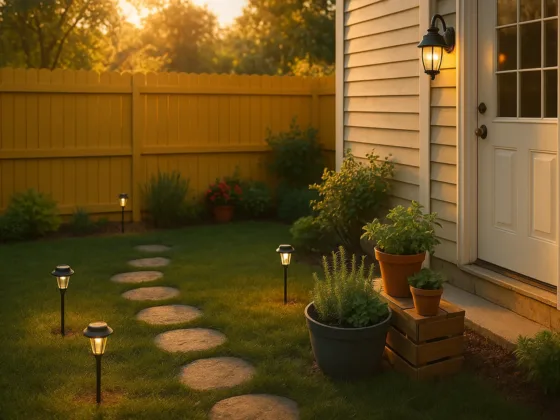
For many homeowners in Toronto and the GTA, the backyard is an underutilized space with enormous potential. A garden house Toronto or a prefab suite transforms this area into a functional, revenue-generating, or family-friendly living space.
This isn’t just about adding square footage — it’s a strategic move to:
- Boost market value with a legal secondary unit
- Create a long-term rental income stream
- Provide housing flexibility for family or work needs
Essential Zoning Numbers You Must Know
Ontario’s zoning by-laws and fire access codes set firm parameters for garden suite builds. Below is a Toronto-specific summary, updated with verified sources. Always confirm with your municipality before planning.
| Regulation | Requirement | By-law / Official Source | Notes |
|---|---|---|---|
| Emergency Access Path (sprinklered) | 0.9 m wide × 2.1 m high | Ontario Building Code Div. B 9.10.20.3 + Toronto Fire Access Guidelines | Minimum clearance for safe fire department access. |
| Emergency Access Path (non-sprinklered) | 1.0 m wide × 2.1 m high | Same as above | Slightly wider path required without sprinklers. |
| Max. Path Length (standard) | ≤ 45 m from the street | Toronto Fire Access Guidelines | Longer distances require enhanced fire safety measures. |
| Max. Path Length (enhanced fire safety) | ≤ 90 m from the street | Same as above | Allowed only if sprinklers, strobe lights, or equivalent are installed. |
| Rear Yard Setback (lot < 45 m deep) | 1.5 m | Toronto Zoning By-law 150.7.60.20(2)(B) | Standard clearance to the rear property line. |
| Rear Yard Setback (lot > 45 m deep) | Greater of 1.5 m or 50% of building height | Toronto Zoning By-law 150.7.60.20(2)(A) | Ensures proportional clearance for taller structures. |
| Side Yard Setback (with openings) | 1.5 m | Toronto Zoning By-law 150.7.60.20(5)(A) | Applies when windows or doors face the property line. |
| Max. Height (5–7.5 m from house) | 4.0 m | Toronto Zoning By-law 150.7.60.40(1)(A) | Height restriction protects neighbour privacy and sunlight. |
| Max. Height (≥ 7.5 m from house) | 6.0 m | Toronto Zoning By-law 150.7.60.40(1)(B) | A greater distance allows a taller build. |
| Ancillary Building Lot Coverage | ≤ 20% of total lot area | General Guideline — varies by municipality | Based on provincial best practice; confirm locally. |
| Soft Landscaping (> 6.0 m frontage) | ≥ 50% of the rear yard | Guideline — proposed standard in Lanescape Garden Suites Report | Recommended for stormwater management and aesthetics. |
💡 Why Some Items Are “Guidelines”:
Not all municipalities enshrine these points in formal bylaws. In these cases, they are provincial best practices or urban design recommendations. You should verify with your city’s planning office for enforceable limits.
From Foundation to Finish: Cost Breakdown

Your investment will vary based on design, size, and customization. Average costs for Ontario:
- Prefab Unit: $150,000–$300,000+
- Site Prep & Foundation: $30,000–$50,000
- Design & Permits: $13,000–$21,000
- Utility Connections & Landscaping: $7,500–$14,500
📊 Total Estimated Range: $250,000–$450,000
Financing Your Prefab Garden Suite
Options include:
- Home Equity Line of Credit (HELOC) – Low interest, flexible repayment
- Construction Loans – Designed for building projects
- Government Incentives – Check for grants or provincial support
- Partnership Rentals – Share costs & income with an investor
Step-by-Step Permit Approval Process
- Zoning Review & Feasibility Study – 1–2 weeks
- Preliminary Design Drafting – 2–4 weeks
- Municipal Pre-Application Meeting – 1 week
- Architectural Drawings & Engineering Reports – 3–6 weeks
- Permit Application Submission – 1–2 weeks
- Municipal Review & Revisions – 6–10 weeks
- Permit Approval & Site Preparation – 2–4 weeks
- Prefab Unit Delivery & Installation – 4–8 weeks
Real-Life Case Studies
Scarborough Backyard Rental
- Cost: $280,000
- Rent: $2,400/month
- ROI: ~9.7 years
Hamilton Multi-Generational Suite
- Cost: $320,000
- Use: Elderly parents’ residence
- Savings: ~$1,800/month vs. assisted living
ROI & Rental Income Potential
| Location | Avg. Monthly Rent | Annual Income | Payback Period |
|---|---|---|---|
| Toronto | $2,200–$2,800 | $26,400–$33,600 | 8–12 years |
| Mississauga | $2,000–$2,500 | $24,000–$30,000 | 9–13 years |
| Ottawa | $1,800–$2,300 | $21,600–$27,600 | 10–14 years |
Long-Term Benefits Beyond Rental Income
- Housing Flexibility – Adapt space for family or work
- Value Appreciation – Multi-unit demand rising
- Privacy Advantage – Better than basement units
- Work-from-Home – Distraction-free office space
Frequently Asked Questions (FAQs)
Q: Can I rent out my garden suite year-round in Ontario?
Yes, if it meets local zoning and rental bylaws.
Q: Are garden suites allowed in every Ontario city?
No, rules vary — check your municipal planning office.
Q: Do I need a separate utility meter?
Not always, but it helps with tenant billing.
Q: How long does construction take?
Typically, 4–8 months from permit to move-in.
Conclusion
Adding a prefab garden suite in Ontario isn’t just another home improvement project—it’s a decision that can shape your property’s future for years to come. Whether you’re creating a cozy space for family, unlocking a new income stream, or simply making smarter use of your backyard, the right design and planning can turn unused square footage into one of your home’s most valuable assets.
The key is to approach the process with a clear plan: understand your local zoning rules, work with experienced professionals, and choose a financing route that fits your goals. Do that, and your garden suite won’t just be a structure—it’ll be a lasting investment in flexibility, comfort, and financial stability.
And perhaps best of all, it’s a project that can bring people closer—whether it’s a family gathering for Sunday dinner or tenants finding a welcoming place to call home right in your backyard.
Reviewed by: Michael Chan, Licensed Ontario Architect & Garden Suite Specialist
Michael Chan brings over 15 years of experience in residential architecture and zoning compliance. He’s led multiple prefab garden suite projects across Toronto and the GTA, continually optimizing small-lot builds for rental income and resale value.
Author: Amir M. Khazaneh – Founder & CEO, Land Signal
Amir heads Land Signal as CEO, blending land development and AI expertise to deliver real-time ROI insights and streamlined zoning data for homeowners and city planners alike.