• DIY
    • Crafts
      • Outdoors & Garden Projects
    • Decorating
      • Exterior Painting & Decorating
      • Painting & Wallpaper
      • Room by Room
    • Furniture
      • Cabinets
      • Tables
    • Woodworking
  • Home Improvement
    • Real Estate
    • Living
    • Entertaining
    • Home Building & Design
      • Home Interior
      • Home Exterior
    • Home Management
      • Home Organization
    • Remodeling
    • Living Areas
    • Bathroom
    • Kitchen
  • Lawn & Garden
    • Lawn Care
    • Vegetable Gardening
    • Landscaping
      • Irrigating
    • Flowers
    • Trees & Shrubs
  • Categories
    • Home Improvement
    • Lawn & Garden
    • Landscaping
    • Real Estate
Housesumo.com
  • DIY
    • Crafts
      • Outdoors & Garden Projects
    • Decorating
      • Exterior Painting & Decorating
      • Painting & Wallpaper
      • Room by Room
    • Furniture
      • Cabinets
      • Tables
    • Woodworking
  • Home Improvement
    • Real Estate
    • Living
    • Entertaining
    • Home Building & Design
      • Home Interior
      • Home Exterior
    • Home Management
      • Home Organization
    • Remodeling
    • Living Areas
    • Bathroom
    • Kitchen
  • Lawn & Garden
    • Lawn Care
    • Vegetable Gardening
    • Landscaping
      • Irrigating
    • Flowers
    • Trees & Shrubs
  • Categories
    • Home Improvement
    • Lawn & Garden
    • Landscaping
    • Real Estate
Featured of Learn How to Make Your Own Crown Molding
  • Woodworking
  • DIY
  • Home Building & Design
  • Home Improvement

You Can Make Your Own Crown Molding

  • Perla Irish
  • December 3, 2018
Total
10
Shares
10
0
0
0

Learn how to make your own crown molding using a router, planer, table saw, and architectural molding router bits.

Start by cutting your stock to size and planing it down to the correct thickness. Cut your profile on the face of the stock and add the spring angles with another bit set or saw.

Learn How to Make Your Own Crown Molding

How to Make Your Own Crown Molding

You can make your own architectural crown molding using standard woodworking shop tools, a little ingenuity, and good machine setups.

This is a woodworking project for the novice to an intermediate woodworker, although just about any woodworker will make molding when necessary. Using readily available lumber and a few specialty router bits, anyone with a router table , planer and table saw can make their own crown molding.

Cut the lumber to width, plane it to the correct thickness and begin routing the profiles on the face of the stock. Add the angle cuts for the back and front at the top and bottom and finish by sanding the pieces.


Read Also:

  • Build an Extended Fence for Your Table Saw’s Infeed and Outfeed Tables
  • Instructions to Install Crown Molding on Kitchen Cabinets
  • Different Tube-Facing and Squaring Machines
  • Guide to Installing Lighted Crown Molding
  • Learning How to Build a Bookcase

Introduction

You can make your own crown molding if you have a router and decorative bits, a top bandsaw, and possibly a planer. Although crown molding may be a little more challenging to install than the casing, baseboard, or quarter-round, it isn’t much harder to make.

Most crown moldings incorporate an “ogee” or “S” shape on their face, along with various grooves and beads at the top and/or bottom. These shapes are cut with architectural molding router bits with cutters as long as 3 1/2 inches.

The Strategy

The key to making a production run of molding is to complete each step on all the pieces before progressing to the next step. This ensures that all the pieces will be exactly the same. Start by milling all your wood stock to the correct width and thickness.

Eight-foot lengths are easy to handle, but once you have the hang of it, you could make 12-foot lengths of crown almost as easily. Be certain your machine setups include outfeed and infeed tables to support your stock.

Machine Setups

Your setups need to be right on for these multiple operation procedures. Once you get it right, don’t change it until you have processed all your pieces through that step.

Use a fence on your router table high enough to fully support your stock on edge. If you are making 5 1/2 inch molding with a pair of cutters, make sure your fence is 6 inches high at a minimum.

Use feather boards to keep the stock tight against the fence. Architectural router bits can take a big bite out of the wood, making a 3 horsepower router mounted in your router table a necessity and multiple passes a probability in order to make your own crown molding.

Initial Milling

Cut your stock to width on the table saw or quality band saw. You can use standard S4S stock cut down to the correct width for the router bit set you will be using on small runs of molding.
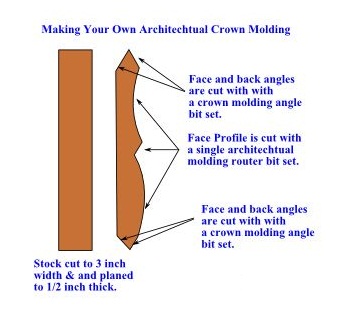
How to Make Your Own Crown Molding
How to Make Your Own Architectural Crown Molding

Router bit sets are sold in sets of two for wide moldings—you will have to determine the correct width of the stock from the size of the bits you use to shape the molding. After the stock is cut to width, plane it to a 1/2 inch thickness or whatever the bit set requires.

Detail Milling

Set up the router table with the first molding bit on the table. You may need to run the pieces over the bit two or three times to cut them to the correct depth.
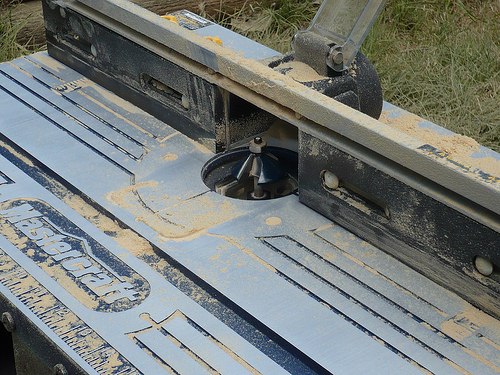
Router table set up with cove cutting bit - How to Make Your Own Crown Molding
Router table set up with cove cutting bit (How to make your own crown molding)

Start shallow and run all the molding, then cut deeper on the second pass and make the third pass at the final depth. If you are using a two-piece bit set, be sure to save a couple of test pieces for setting up the second bit.

Milling the Angles

There are two ways to cut the molding angles, with the router and a crown molding angle bit, or on the table. Standard crown molding can be cut at 38 degrees on one flat, and 53 degrees on the other. Another way is to cut 45-degree angles on both edges with the table saw.

Router bits are available in sets to cut all three angles and put a nice bevel on your crown molding at the same time. As before, set up the router, run a test piece and make any adjustments, then run all your stock through.

Finishing Up

Complete making your own crown molding sanding it, first with 100 grit and then with 220 grit sandpaper.

Making your own molding might not be practical unless you are making enough molding for a house or have access to a lot of lumber, but it is a fun woodworking project that produces something useful. The architectural molding router bits are not cheap, but they will cut a lot of molding before wearing out.


Credits and References

  • Router table photo by Jennifer Feuchter at Flickr.com
  • “Routers: The Best Tool You’re Not Using”; Fine HomeBuilding Magazine; by John Michael Davis
0
0
10
0
Total
10
Shares
Pin it 10
Share 0
Tweet 0
Share 0
Share 0
Related Topics
  • projects
Previous Article
Featured of DIY Concrete Staining, Stamping and Cutting
  • Home Exterior
  • DIY
  • Home Improvement

DIY Concrete Patio Staining

  • Perla Irish
  • December 3, 2018
View Post
Next Article
Featured of DIY Project Oil Furnace Filter Replacement
  • Home Building & Design
  • DIY
  • Home Improvement

Filter Replacement for an Oil Furnace

  • Perla Irish
  • December 5, 2018
View Post

You May Also Like

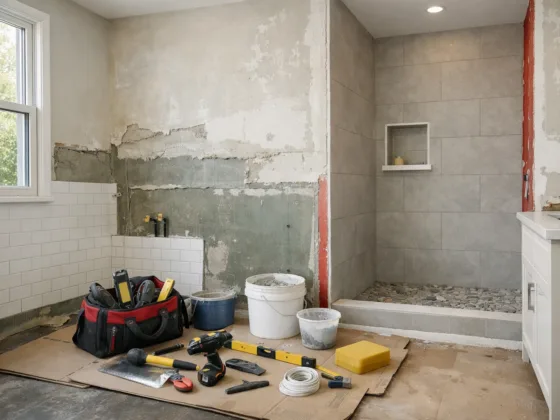
Bathroom remodel in progress showing tile installation and renovation tools during construction.
View Post
  • Bathroom

How Long Does a Bathroom Remodel Really Take?

  • Perla Irish
  • March 11, 2026
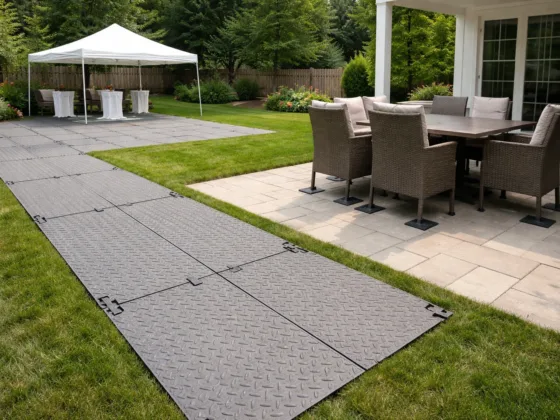
Temporary ground protection panels installed over lawn beside a residential patio to prevent surface damage during an outdoor event
View Post
  • Lawn & Garden
  • Lawn Care

How to Protect Your Lawn and Outdoor Surfaces During Events (Before Damage Sets In)

  • Perla Irish
  • February 23, 2026
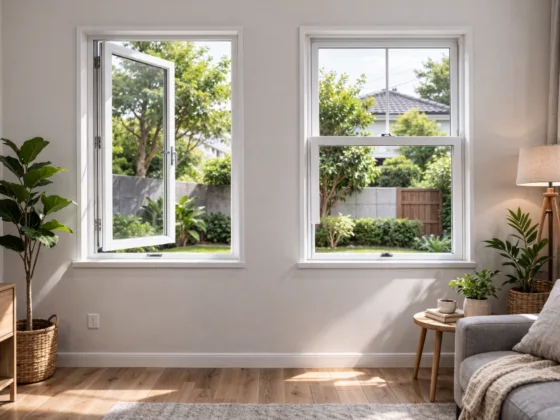
Side-by-side comparison of casement and double hung windows in a modern home interior
View Post
  • Remodeling

Replace Casement Window with Double Hung? Structural & Code Impacts

  • Perla Irish
  • February 20, 2026
New residential asphalt driveway with smooth surface and landscaped edges
View Post
  • Home Improvement

Asphalt Driveway Advantages vs Concrete: Cost, Lifespan & Structural Value

  • Perla Irish
  • February 20, 2026
Modest kitchen with wood-look faux butcher block countertop
View Post
  • Kitchen

DIY Faux Butcher Block Countertops: Cost, Durability & Long-Term Reality

  • Perla Irish
  • February 14, 2026
Modular furniture components arranged as an adaptive interior system rather than fixed standalone pieces.
View Post
  • Furniture

Modular Furniture Beyond Sofas: Designing Interiors That Adapt Over Time

  • Perla Irish
  • January 27, 2026
Flexible living room interior layout illustrated as a system, showing modular seating, storage, and furniture arranged for long-term adaptability rather than fixed styling.
View Post
  • Home Interior

Flexible Living Room Layouts: Designing Spaces That Adapt Over Time

  • Perla Irish
  • January 26, 2026
Neutral living space illustrating eco-friendly interior design through flexible layout and long-term adaptability.
View Post
  • Home Interior

Transforming Your Home With Eco-Friendly Interior Design

  • Perla Irish
  • January 26, 2026

Leave a Reply Cancel reply

Your email address will not be published. Required fields are marked *

Join 13,000 folks!

Get instant access to our weekly newsletter where we share the best! 100% Privacy. No Spam.

  • Disclosure & Affiliate Policy
  • Privacy Policy
  • Terms of Use
  • About
  • Sitemap
  • Contact Us

Input your search keywords and press Enter.