• DIY
    • Crafts
      • Outdoors & Garden Projects
    • Decorating
      • Exterior Painting & Decorating
      • Painting & Wallpaper
      • Room by Room
    • Furniture
      • Cabinets
      • Tables
    • Woodworking
  • Home Improvement
    • Real Estate
    • Living
    • Entertaining
    • Home Building & Design
      • Home Interior
      • Home Exterior
    • Home Management
      • Home Organization
    • Remodeling
    • Living Areas
    • Bathroom
    • Kitchen
  • Lawn & Garden
    • Lawn Care
    • Vegetable Gardening
    • Landscaping
      • Irrigating
    • Flowers
    • Trees & Shrubs
  • Categories
    • Home Improvement
    • Lawn & Garden
    • Landscaping
    • Real Estate
Housesumo.com
  • DIY
    • Crafts
      • Outdoors & Garden Projects
    • Decorating
      • Exterior Painting & Decorating
      • Painting & Wallpaper
      • Room by Room
    • Furniture
      • Cabinets
      • Tables
    • Woodworking
  • Home Improvement
    • Real Estate
    • Living
    • Entertaining
    • Home Building & Design
      • Home Interior
      • Home Exterior
    • Home Management
      • Home Organization
    • Remodeling
    • Living Areas
    • Bathroom
    • Kitchen
  • Lawn & Garden
    • Lawn Care
    • Vegetable Gardening
    • Landscaping
      • Irrigating
    • Flowers
    • Trees & Shrubs
  • Categories
    • Home Improvement
    • Lawn & Garden
    • Landscaping
    • Real Estate
featured image - How to Damp Proof a Building
  • DIY
  • Home Improvement

How to Damp Proof a Building

  • Perla Irish
  • February 21, 2022
Total
2
Shares
2
0
0
0

Dampness is one of the most common issues we encounter when working on properties. Untreated dampness can seriously damage a building’s foundation.

The damp proofing course is the primary method by which you can damp proof your structure.
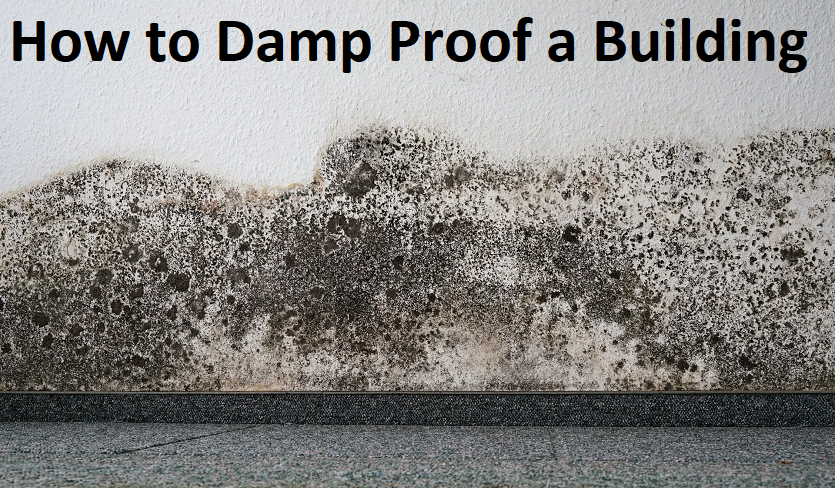
image - How to Damp Proof a Building
How to Damp Proof a Building

Influencing Factors

The following are structural improvements that can be made to your home to treat and prevent dampness.

Installing a Damp Proofing Course (DPC)

Rising dampness occurs when groundwater rises through a wall or floor. Damp-proof courses are horizontally installed within the walls of a building to prevent moisture from rising through the walls and into the space above.

For peace of mind, it may be worth consulting professional damp proof specialists.

A damp-proof membrane is a thin waterproof sheet. To effectively seal a building against dampness, the damp-proof course should be laid beneath a concrete floor.

This layer is installed beneath all masonry walls, whether load-bearing or partition, to prevent moisture from rising through the structure and damaging it.


Read Also:

  • How Do I Fix Damp or Wet Corners in My Basement?
  • How Retaining Walls Complement Your Property
  • The Benefits of Waterproofing Your Basement
  • How to Restore the Walls in an Old House?

Before beginning work on the damp-proof course, the surface must be thoroughly cleaned and wet. When mixing cement concrete, use a 1:1 and 1/2 to three ratio and the recommended waterproofing compound dosage. Concrete must be laid to a minimum of 25 mm thickness on the structure.

After the concrete layer has hardened, two coats of ultra-cement tech’s paste or another similar material must be applied perpendicularly. After the concrete coating has been set, the seal must be used four hours later.

Ideally, the damp proof course should span the entire width of the walls, with straight, even, and vertical edges.

Water splashing from the ground should be avoided during rain by raising the DPC above the normal level. Unless otherwise specified, DPC should begin at least 15 cm above the highest point of the ground.

Aside from being unsanitary, dampness in the building weakens structural components. Damp-proof courses help prevent mold growth in a building.

The moisture-rising walls from the ground act as a damp-proof course between the damp source and an adjacent building. All of the building’s walls should have damp proof course installed.

Installing Fans in the Bathroom and Kitchen

Condensation is an unavoidable damp problem that occurs in all properties. Kitchens and bathrooms are most susceptible to dampness. You must install fans in the bathroom and kitchen to avoid moisture.

Improving the Property’s Exterior

Damp that penetrates exposed areas of a building like a roof and chimneys. Unlike rising dampness, penetrating dampers expand horizontally across surfaces. Because the rainy season can cause costly foundation damage, property owners should inspect drains and gutters for obstructions.

Address any Plumbing Issues that Arise

Damp problems in bathrooms and kitchens come in many forms. Leaks in water or waste pipes can damage the exterior and interior walls and ceilings.

This type of dampness can lead to mold growth and, if left untreated, wood rot. Untreated rotted floorboards pose a serious risk of collapse. Plumbing issues should be addressed promptly by consulting a professional plumber.

Factors affecting the home

The advice in this section will help you make simple changes to your home to reduce damp risk.

Level of Insulation and Heating

All three rooms should be between 19 and 22 degrees, while the bedroom should be between 16 and 20.

Keep the temperature below 15°F when you’re not at home to avoid condensation. Insulation can also help reduce dampness by warmer walls and ceilings, preventing mold growth.

Ventilation Inspection

Putting this one into practice is also easy. Double glazing and sealing air vents and fireplaces will help reduce moisture-laden air escaping the Property.

Close the kitchen and bathroom doors to keep moisture out of other rooms, especially bedrooms. Avoid overcrowding cupboards and wardrobes, which can cause stagnant air and condensation.

0
0
2
0
Total
2
Shares
Pin it 2
Share 0
Tweet 0
Share 0
Share 0
Related Topics
  • building
  • concrete
  • damp
  • moisture
  • walls
Previous Article
featured image - A Brief Guide to Installing a Vinyl Siding in Fishkill, NY
  • DIY
  • Home Improvement

A Brief Guide to Installing a Vinyl Siding in Fishkill, NY

  • Perla Irish
  • February 21, 2022
View Post
Next Article
featured image - Here are 5 Reasons Why Spray Foam Insulation is So Popular
  • DIY
  • Home Improvement

Here are 5 Reasons Why Spray Foam Insulation is So Popular

  • Perla Irish
  • February 21, 2022
View Post

You May Also Like

Close-up of a pro plasterer applying Venetian plaster with a steel trowel while a homeowner watches in a modern living room
View Post
  • Decorating
  • DIY
  • Home Improvement
  • Home Interior
  • Painting & Wallpaper

Venetian Plaster Technique: Step-by-Step Guide to Luxurious, Marble-Look Walls

  • Perla Irish
  • December 9, 2025
Stamped decorative concrete patio with warm stone pattern, outdoor dining set, lounge chairs, and planting beds in a cosy backyard at golden hour.
View Post
  • DIY
  • Home Exterior
  • Home Improvement
  • Landscaping
  • Lawn & Garden

Reasons to Use Decorative Concrete for Your Patio

  • Perla Irish
  • December 9, 2025
Modern beige bathroom with floating wooden vanity, LED mirror, heated towel rail, built-in shelving and a freestanding tub
View Post
  • Bathroom
  • Decorating
  • DIY
  • Home Improvement
  • Room by Room

Functional Bathroom Décor: Pieces That Look Good and Work Hard

  • Perla Irish
  • December 4, 2025
Couple reviewing kitchen remodel plans on a tablet in a newly renovated soft-modern kitchen with light oak island, quartz countertops, creamy cabinets, and pendant lighting.
View Post
  • DIY
  • Home Improvement
  • Kitchen
  • Remodeling

The Complete 2026 Kitchen Remodeling Guide: New Trends, Updated Costs, Layout Innovations & Smart Design Strategies

  • Perla Irish
  • December 4, 2025
Suburban two-story home with a backyard in-ground pool and patio dining area on a clear summer day
View Post
  • DIY
  • Home Improvement
  • Real Estate

Is a Pool in a Cold Climate a Smart Move When You’re Buying a House?

  • Perla Irish
  • December 3, 2025
Detached backyard ADU under construction with concrete foundation and exposed wood framing behind a single-family home.
View Post
  • DIY
  • Home Improvement
  • Real Estate

ADU Structural Requirements: Foundations, Framing, and Permits Explained

  • Perla Irish
  • November 15, 2025
Open-concept kitchen and living room after kitchen wall removal, with structural beam, island seating, and continuous wood flooring
View Post
  • DIY
  • Home Building & Design
  • Home Improvement
  • Kitchen
  • Remodeling

How to Open Up the Space Between a Kitchen and Living Room

  • Perla Irish
  • November 14, 2025
Bright neutral living room in a simple home transformed into a luxurious abode, with a large area rug, modern sofa, layered lighting, linen curtains and brass accents.
View Post
  • Decorating
  • DIY
  • Home Improvement
  • Home Renovation
  • Remodeling
  • Room by Room

Transform Simple Homes Into Luxurious Abodes (2025 & Beyond)

  • Perla Irish
  • November 13, 2025

Join 13,000 folks!

Get instant access to our weekly newsletter where we share the best! 100% Privacy. No Spam.

  • Disclosure & Affiliate Policy
  • Privacy Policy
  • Terms of Use
  • About
  • Sitemap
  • Contact Us

Input your search keywords and press Enter.