By John Matthews • Reviewed by Michael Carter, P.Eng.
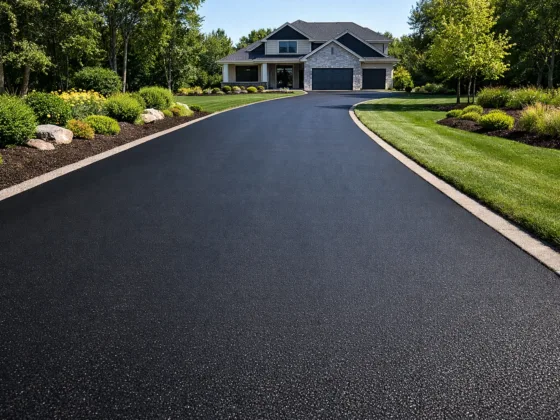
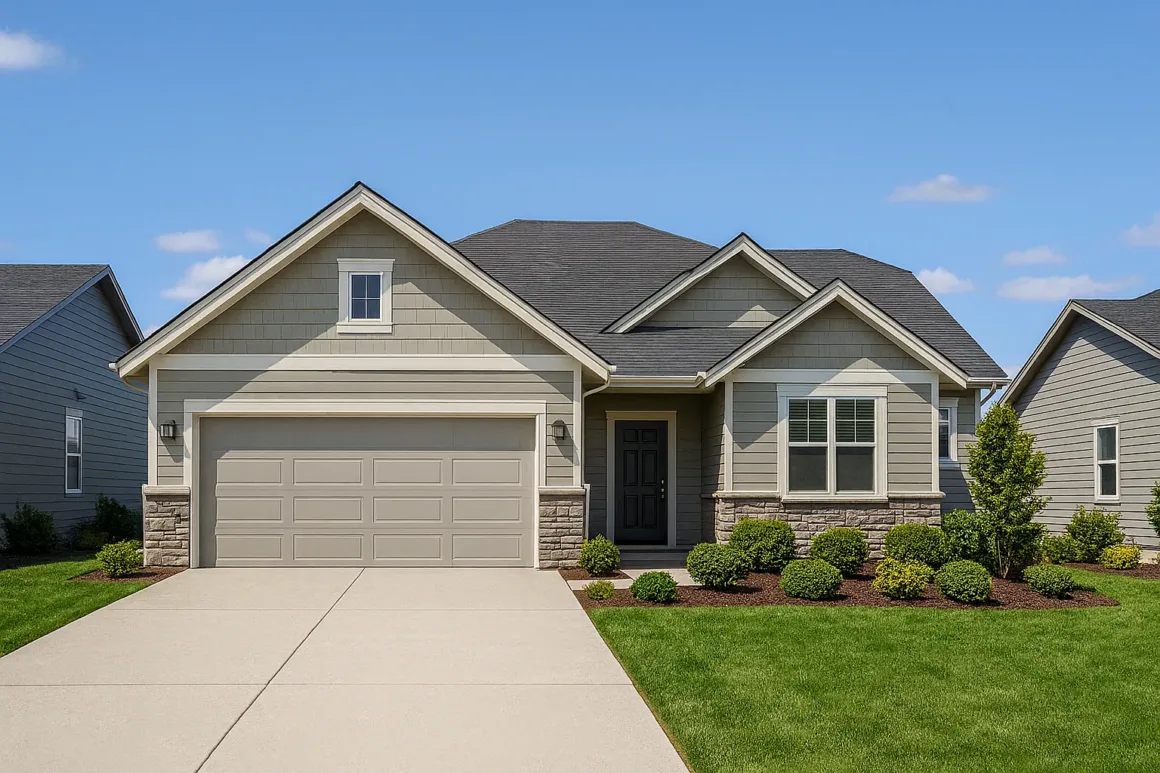
When people pull up to your house, the driveway is often the first thing they see. It doesn’t shout for attention, but it quietly frames the entire property. A cracked or neglected drive can make even a well-kept home look tired. On the flip side, a smooth, good-looking driveway feels like a welcome mat rolled out for every guest.
That’s where concrete shines. It’s strong, flexible in design, and doesn’t demand much in the way of upkeep. In this guide, we’ll take a closer look at what makes concrete driveways so popular, what they cost, the different ways to style them, and how to keep them looking sharp year after year.
The Curb Appeal Factor
Think of your driveway as part of your home’s personality. It isn’t just there to park cars; it’s one of the largest features in the front yard. Years ago, concrete mostly meant flat gray slabs. Today, it can be stamped, colored, or textured so it blends with your home’s architecture instead of looking like an afterthought.
Even a plain concrete drive, when it’s clean and well-maintained, reflects light in a way that makes your exterior brighter and more inviting. For ideas on design details, take a look at Concrete driveways that transform your home’s curb appeal by Mike’s Concrete.
Why Concrete is a Smart Long-Term Investment
Unlike gravel that shifts or asphalt that softens in the heat, concrete is built for the long haul. With proper installation, most concrete driveways will last 30 years or more. That’s three decades of not worrying about replacing it.
It’s also a boost for resale value. Curb appeal is often what gets buyers through the door, and a solid, attractive driveway is one of those subtle things that can tip first impressions in your favor.
There’s an environmental angle too. Concrete reflects sunlight, which helps reduce heat buildup in urban neighborhoods, and it’s usually made with local materials. In some cases, it even includes recycled content, aligning with sustainable living practices.
What It Costs
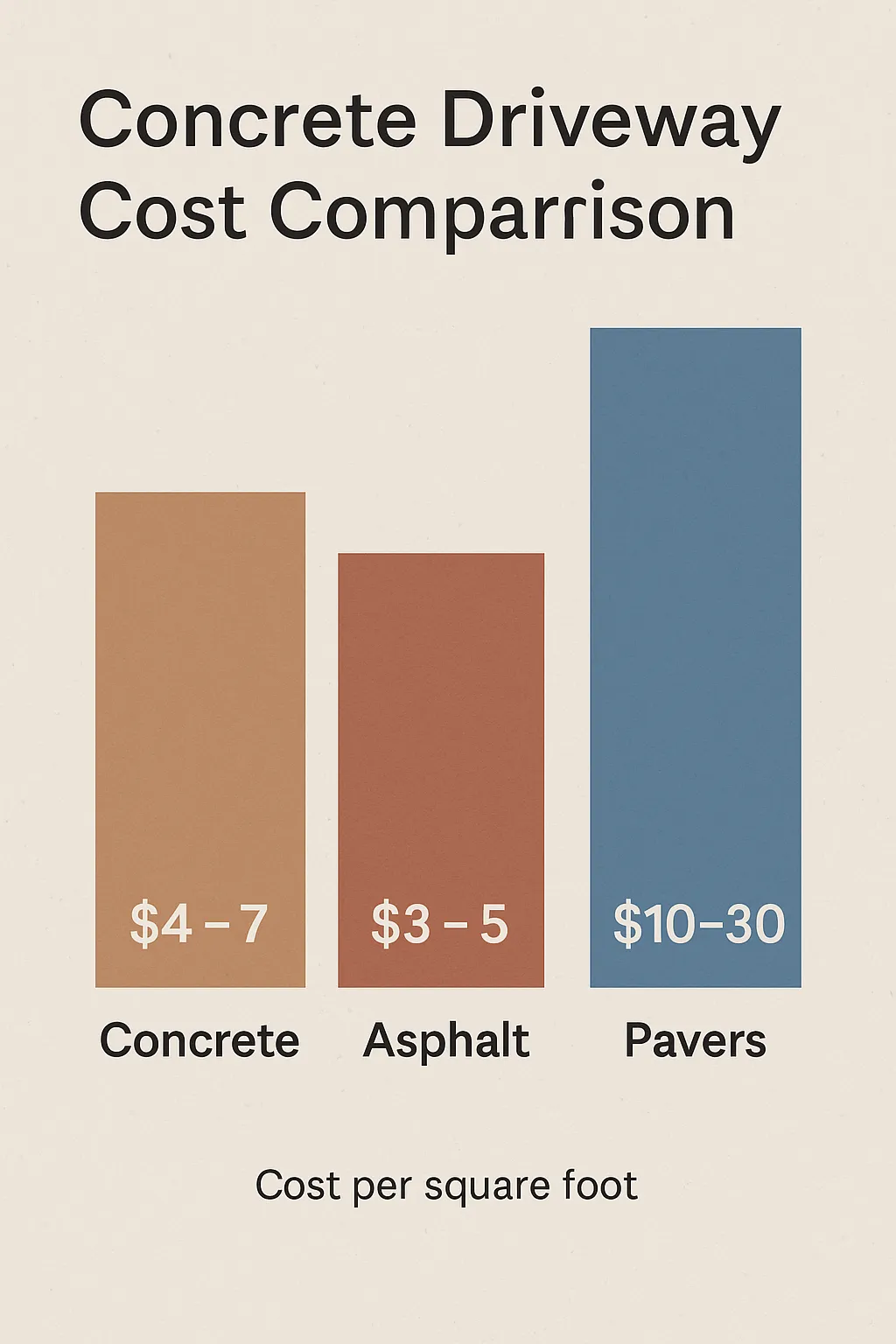
Concrete isn’t the cheapest option up front, but it pays off in the long run. Here’s a ballpark breakdown:
| Type of Driveway | Estimated Cost per Sq. Ft. | Lifespan | Features |
|---|---|---|---|
| Basic Concrete Slab | $4 – $7 | 30+ yrs | Smooth, broom finish |
| Colored Concrete | $7 – $10 | 30+ yrs | Pigments or stains for color |
| Stamped/Decorative | $8 – $12 | 25–30 yrs | Patterns that mimic stone or brick |
| Exposed Aggregate | $9 – $14 | 30+ yrs | Pebbled, textured finish |
Pro tip: In colder climates, you’ll want a thicker slab and air-entrained concrete to withstand freeze-thaw cycles. In hotter regions, a lighter finish helps keep surface temps down.
How It Stacks Up Against Other Materials
| Material | Cost per Sq. Ft. | Lifespan | Maintenance | Look |
|---|---|---|---|---|
| Concrete | $4 – $12 | 30+ yrs | Low | Customizable, clean |
| Asphalt | $3 – $7 | 15–20 yrs | Medium | Mostly black |
| Gravel | $1 – $3 | 5–10 yrs | High | Rustic, informal |
| Pavers | $10 – $20 | 25–30 yrs | Low | Premium, high-end |
Concrete sits in the sweet spot—affordable, long-lasting, and versatile enough to match most homes.
Personalizing Your Driveway
Here’s where concrete really surprises people. It doesn’t have to be plain or boring:
- Stamped patterns give the illusion of stone, brick, or tile.
- Stains and pigments bring in subtle earth tones or bold contrasts.
- Exposed aggregates let decorative stones peek through for texture.
- Engraving and borders create a custom, upscale look.
- Green design can include turf strips or permeable joints that reduce runoff.
Keeping It Looking Fresh
Concrete doesn’t need constant care, but a few habits go a long way:
- Sweep and hose it down regularly.
- Pressure wash every so often to lift stains.
- Apply a sealer every 2–3 years to guard against oil, water, and sun damage.
- Fix small cracks before they spread.
Do that, and your driveway will keep its fresh, polished look for decades.
How We Researched
This guide is built on homeowner resources and technical standards from trusted organizations:
- Concrete Network – Basics of Concrete Driveways
- National Ready Mixed Concrete Association (NRMCA) – Driveway Guidance
Technical details like slab thickness, curing time, and reinforcement options were reviewed by Michael Carter, P.Eng., a licensed structural engineer with over 20 years of experience, verified in the Professional Engineers Ontario registry.
FAQs About Concrete Driveways
How long does a concrete driveway last?
A properly installed and sealed concrete driveway typically lasts 30 to 40 years. In mild climates with good maintenance, some last even longer.
Is a concrete driveway worth the cost?
Yes. Although concrete costs more upfront than gravel or asphalt, its long lifespan, low upkeep, and boost to curb appeal make it a strong return on investment.
How soon can you drive on a new concrete driveway?
You can walk on a new concrete driveway after about 7 days. For vehicles, wait at least 28 days so the concrete can fully cure.
What is the best finish for a concrete driveway?
For style, stamped or exposed aggregate finishes are popular. For a budget-friendly option with traction, a broom finish works best.
Does a concrete driveway increase home value?
Yes. A clean, durable driveway improves curb appeal, which can add 5–10% to resale value depending on the market.
References
- Concrete driveways that transform your home’s curb appeal by Mike’s Concrete
- Curb appeal (Better Homes & Gardens)
- Sustainable living (CBS International)
- NRMCA – Driveways
- Concrete Network – Driveway Basics
Disclosure
We independently research and review home improvement topics. External sources are cited for accuracy, and technical details were reviewed by a licensed engineer. We do not accept payment for including specific contractors in editorial content.
Author: John Matthews
Home improvement writer with over a decade of experience covering residential exteriors and curb appeal projects.
Reviewer: Michael Carter, P.Eng.
Licensed structural engineer with more than 20 years of experience in concrete design and construction, verified through the Professional Engineers Ontario registry.