• DIY
    • Crafts
      • Outdoors & Garden Projects
    • Decorating
      • Exterior Painting & Decorating
      • Painting & Wallpaper
      • Room by Room
    • Furniture
      • Cabinets
      • Tables
    • Woodworking
  • Home Improvement
    • Real Estate
    • Living
    • Entertaining
    • Home Building & Design
      • Home Interior
      • Home Exterior
    • Home Management
      • Home Organization
    • Remodeling
    • Living Areas
    • Bathroom
    • Kitchen
  • Lawn & Garden
    • Lawn Care
    • Vegetable Gardening
    • Landscaping
      • Irrigating
    • Flowers
    • Trees & Shrubs
  • Categories
    • Home Improvement
    • Lawn & Garden
    • Landscaping
    • Real Estate
Housesumo.com
  • DIY
    • Crafts
      • Outdoors & Garden Projects
    • Decorating
      • Exterior Painting & Decorating
      • Painting & Wallpaper
      • Room by Room
    • Furniture
      • Cabinets
      • Tables
    • Woodworking
  • Home Improvement
    • Real Estate
    • Living
    • Entertaining
    • Home Building & Design
      • Home Interior
      • Home Exterior
    • Home Management
      • Home Organization
    • Remodeling
    • Living Areas
    • Bathroom
    • Kitchen
  • Lawn & Garden
    • Lawn Care
    • Vegetable Gardening
    • Landscaping
      • Irrigating
    • Flowers
    • Trees & Shrubs
  • Categories
    • Home Improvement
    • Lawn & Garden
    • Landscaping
    • Real Estate
Making your own cement flower pots
  • Outdoors & Garden Projects
  • Crafts
  • DIY

Create Beautiful Cement Flower Pots: A Simple DIY Guide

  • Perla Irish
  • November 17, 2024
Total
2
Shares
2
0
0
0

Are you looking to add a touch of creativity to your garden or home? Making your own cement flower pots can be a fun and rewarding project. With a few basic materials and simple steps, you can craft stunning planters to brighten up any space.

Why Choose Cement Flower Pots?

Cement flower pots are durable and offer a rustic charm that can enhance your decor. Unlike plastic pots, cement pots provide better insulation for the roots, helping plants thrive. Plus, you can customize the design to match your style. Who wouldn’t want to show off a unique piece they made themselves?

Materials You’ll Need

Before you get started, gather these essential materials:

  • Cement: This will be the main component of your pots.
  • Mold: A wooden mold works best. You can make one yourself or use an existing item like a bucket.
  • Water: Needed to mix with cement.
  • Mixing container: This is used to blend the cement and water.
  • Stirring tool: A spatula or stick will do.
  • Release agent : This prevents the cement from sticking to the mold, such as vegetable oil or cooking spray.

Step-by-Step Instructions

1. Prepare the Mold

Start by prepping your mold. If you’re using wood, ensure it’s clean and dry. Apply a generous amount of your release agent inside to help the pot come out easily later.

2. Mix the Cement

In your mixing container, combine the cement with water. Aim for a thick but pourable consistency. Stir well until you have a smooth mixture without lumps.

3. Pour into the Mold

Carefully pour the cement mixture into your prepared mold. Tap the sides gently to remove any air bubbles that may have formed. This step is crucial for a smooth finish.

4. Let it Set

Allow the cement to set for at least 24 hours. The longer you let it cure, the stronger it will become. If possible, keep it in a cool, dry place during this time.

5. Remove the Mold

Once the cement has hardened, carefully remove it from the mold. If it’s sticking, gently tap the sides or use a utility knife to help release it.

6. Finishing Touches

You can leave your pots as is for a rustic look or paint them to add a pop of color. Sealing the surface with a concrete sealer can also help protect your pots from the elements.

Tips for Success

  • Check the weather: Avoid making cement pots on rainy days. Excess moisture can ruin the mix.
  • Experiment with shapes: Try different molds, like bowls or cups, to create various designs.
  • Add drainage holes: If you want to keep your plants healthy, consider drilling holes in the bottom for proper drainage.

Conclusion

Making your own cement flower pots is a fantastic way to express your creativity while enhancing your garden or living space. With just a few materials and steps, you can create beautiful planters that are uniquely yours. So, gather your supplies, unleash your imagination, and start crafting today! Your plants will thank you.

FAQ:

Why should I choose cement flower pots over plastic ones?

Cement flower pots are not only durable but also provide better insulation for the roots, helping your plants thrive. They offer a rustic charm and can be customized to match your personal style, making them a unique addition to your decor.

What materials do I need to make cement flower pots?

To create your own cement flower pots, you will need cement, a mold (preferably wooden), water, a mixing container, a stirring tool (like a spatula or stick), and a release agent (such as vegetable oil or cooking spray) to prevent sticking.

How long does it take for the cement to set and cure?

The cement should be allowed to set for at least 24 hours. For optimal strength, it’s recommended to let it cure for a longer period, ideally in a cool, dry place.

Can I customize the appearance of my cement flower pots?

Absolutely! You can leave your pots with their natural rustic look or paint them to add a splash of color. Sealing the surface with a concrete sealer can also enhance durability and protect them from the elements.

What tips do you have for a successful cement pot-making project?

To ensure success, check the weather before starting—avoid rainy days as excess moisture can ruin the mix. Experiment with different mold shapes and consider adding drainage holes at the bottom to keep your plants healthy.

0
0
2
0
Total
2
Shares
Pin it 2
Share 0
Tweet 0
Share 0
Share 0
Related Topics
  • diy
  • do-it-yourself
Previous Article
featured image - 4 Luxury Interior Design Tips for Your New Home
  • Home Improvement
  • DIY
  • Home Interior

4 Luxury Interior Design Tips for Your New Home

  • Perla Irish
  • November 7, 2024
View Post
Next Article
DIY home upgrades - Two-story house with light gray siding and a covered front porch, featuring a wreath and wicker furniture.
  • DIY
  • Decorating
  • Home Improvement
  • Room by Room

DIY Home Upgrades: Big Impact on a Small Budget

  • Perla Irish
  • November 20, 2024
View Post

You May Also Like

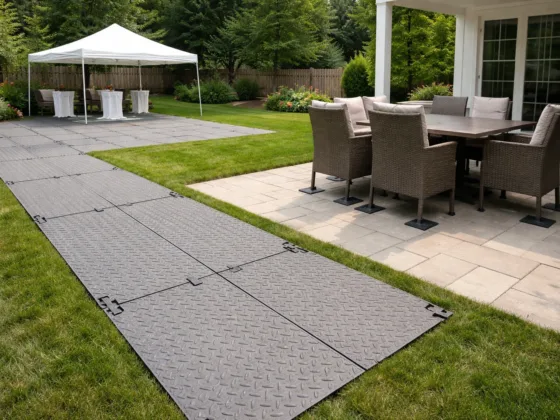
Temporary ground protection panels installed over lawn beside a residential patio to prevent surface damage during an outdoor event
View Post
  • Lawn & Garden
  • Lawn Care

How to Protect Your Lawn and Outdoor Surfaces During Events (Before Damage Sets In)

  • Perla Irish
  • February 23, 2026
Side-by-side comparison of casement and double hung windows in a modern home interior
View Post
  • Remodeling

Replace Casement Window with Double Hung? Structural & Code Impacts

  • Perla Irish
  • February 20, 2026
New residential asphalt driveway with smooth surface and landscaped edges
View Post
  • Home Improvement

Asphalt Driveway Advantages vs Concrete: Cost, Lifespan & Structural Value

  • Perla Irish
  • February 20, 2026
Modest kitchen with wood-look faux butcher block countertop
View Post
  • Kitchen

DIY Faux Butcher Block Countertops: Cost, Durability & Long-Term Reality

  • Perla Irish
  • February 14, 2026
Modular furniture components arranged as an adaptive interior system rather than fixed standalone pieces.
View Post
  • Furniture

Modular Furniture Beyond Sofas: Designing Interiors That Adapt Over Time

  • Perla Irish
  • January 27, 2026
Flexible living room interior layout illustrated as a system, showing modular seating, storage, and furniture arranged for long-term adaptability rather than fixed styling.
View Post
  • Home Interior

Flexible Living Room Layouts: Designing Spaces That Adapt Over Time

  • Perla Irish
  • January 26, 2026
Neutral living space illustrating eco-friendly interior design through flexible layout and long-term adaptability.
View Post
  • Home Interior

Transforming Your Home With Eco-Friendly Interior Design

  • Perla Irish
  • January 26, 2026
Illustration showing a neutral living room layout with abstract seating zones and circulation space.
View Post
  • Furniture

What Is a Modular Sofa and Why It Works for Modern Living Rooms

  • Perla Irish
  • January 21, 2026

Join 13,000 folks!

Get instant access to our weekly newsletter where we share the best! 100% Privacy. No Spam.

  • Disclosure & Affiliate Policy
  • Privacy Policy
  • Terms of Use
  • About
  • Sitemap
  • Contact Us

Input your search keywords and press Enter.