Quick answer: A pool in a cold climate can be a fantastic upgrade if you’ll actually use it for a few months each year, you understand the real costs (maintenance, energy, insurance, winterization), and the pool has been looked after properly. If money or time is already tight, or you’re not sure how healthy the pool really is, it can just as easily become a money pit instead of a dream feature.
Key Takeaways
- In a cold climate, you’ll probably swim only three to five months a year, even if the pool looks amazing in photos.
- There are ongoing costs for chemicals, cleaning, opening/closing, extra energy use, and long-term repairs.
- A proper pool inspection and winterization records matter just as much as the main home inspection.
- Insurance, safety rules, and local code compliance can change your risk and your monthly bills.
- In most colder regions, it’s safest to treat the pool as a lifestyle upgrade first and a resale bonus second.
Note: This article is for general information only and isn’t legal, financial, or insurance advice. Always talk to local real-estate professionals, licensed inspectors, and your insurer before you make a final decision.
Why Pools in Cold Climates Are a Special Case
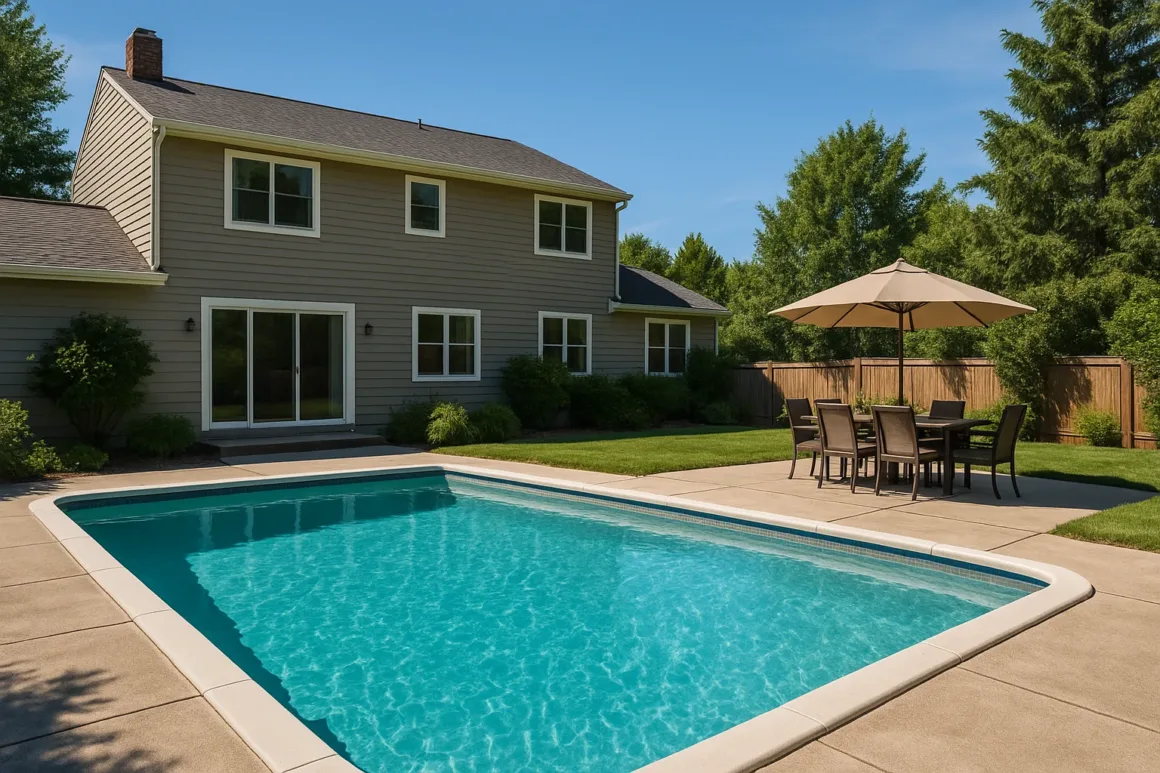
When you’re buying a home with a pool, and you see “in-ground pool” in the listing, it’s easy to imagine summer barbecues, kids playing in the water, and quiet evening swims. In a colder or four-season climate, though, that picture comes with a catch. You might only swim three to five months of the year, while paying for the privilege all twelve.
That doesn’t mean you should skip every house with a pool. It just means you need to weigh both sides: the lifestyle benefits and the ongoing costs and responsibilities that come with owning a pool where winter really shows up.
When a Cold-Climate Pool Makes Sense (and When It Doesn’t)
Situations where a pool can be a smart choice
- You genuinely love the idea of swimming, hosting, and spending time outside each summer.
- You’re realistic about budgeting for chemicals, cleaning, repairs, and higher utility bills.
- The pool appears to be in good condition and comes with records of professional care and winterization.
- Your local market treats pools as a plus, and similar homes with pools tend to sell well.
Situations where a pool probably isn’t worth it
- You’re already stretched thin on basic home maintenance or your monthly payments.
- You don’t really enjoy swimming, and you rarely host friends or family.
- The pool is older, looks tired, or the seller can’t clearly explain how it’s been maintained.
- You live in an area where parents of young kids often avoid homes with pools because of safety or cost worries.
If you’re on the fence, it can help to think of the pool as a small second “property” on the lot. It needs inspections, a maintenance plan, a budget, and a bit of attention every single year.
Pros of Buying a House With a Pool in a Cold Climate
1. A built-in summer entertainment hub
Even in a colder climate, a pool can completely change how you use your home from late spring through early fall. For those few months, your backyard can turn into everyone’s favorite place to be:
- Kids get an easy, screen-free activity right at home.
- Friends and family come to you instead of you always driving to them.
- You have a simple way to stay active without joining a gym or driving to a public pool.
In places where winters are long and gray, those warm weeks feel more precious. Having a pool can make each summer feel a little bigger than the calendar suggests.
2. Potential boost to home appeal and value
In many markets, a well-kept in-ground pool makes a home stand out to a certain type of buyer. A clean pool with safe fencing, updated equipment, and nicely finished decking can be the detail that pushes a buyer from “maybe” to “yes.”
In colder regions, a pool doesn’t automatically mean a higher sale price, but it can still help your home compete against similar listings. It’s especially helpful in areas where buyers see pools as a lifestyle feature and inventory is limited.
3. A private “staycation” zone
With travel costs rising, more homeowners are choosing to put money into their own backyards instead of flying off for every vacation. A pool can anchor a complete staycation space with loungers, string lights, a firepit, or even a small outdoor kitchen.
If you’re happy to trade one or two big trips for multiple low-stress weekends at home, a pool can make that trade feel like a win, not a compromise.
Cons of Buying a House With a Pool in a Cold Climate
1. A shorter swim season
In warm states, some owners swim nine to twelve months a year. In a cold or four-season climate, a realistic timeline usually looks more like this:
- Opening: late spring, once water temperatures stabilize and frost risk is gone.
- Main season: the core summer weeks when both air and water are comfortable.
- Closing: early fall, when overnight temperatures begin dropping again.
For the rest of the year, the pool is closed and covered, but you’re still responsible for what it costs you over time.
2. Maintenance and running costs
Every pool comes with recurring costs. The exact numbers depend on your climate, the size of the pool, and how much you do yourself, but typical expenses include:
- Chemicals and testing: chlorine or alternative sanitizers, pH adjusters, and test kits.
- Cleaning: skimming, brushing, vacuuming, or paying a pool service to handle it for you.
- Equipment wear: pumps, filters, heaters, and valves that eventually need repair or replacement.
- Opening/closing: professional services to open the pool in spring and winterize it in fall, if you don’t want to DIY.
People who handle basic maintenance themselves still often spend hundreds of dollars per season on chemicals and tools. If you hire a weekly service and run a heater often, the total cost over several years can be much higher.
3. Higher energy use in cooler weather
Pumps have to run regularly to keep the water moving and filtered. Add a heater, and your electric or gas bill goes up, especially if you like warmer water or try to extend your season on both ends.
The good news is that modern variable-speed pumps and efficient heaters can soften that impact, especially when you combine them with a quality cover and sensible run times.
4. Winterization is non-negotiable
In cold climates, closing the pool properly for winter is just as important as maintaining it during summer. If the previous owner cut corners, you may feel the consequences later. A poor closing can lead to:
- Cracked pipes and equipment from water freezing and expanding.
- Stained or damaged liners and finishes from unbalanced water.
- Structural problems, tile damage, or leaks that show up months down the line.
A proper winterization typically includes a thorough cleaning, balancing the chemistry, lowering the water level if needed, blowing out lines, protecting equipment, and installing a correctly sized winter cover.
5. Insurance, safety, and liability
Many insurance companies treat pools as an “attractive nuisance” — fun, but a potential risk. That often means:
- Higher liability coverage requirements or premiums.
- Requirements for specific safety features (fencing, self-latching gates, alarms, safety covers).
- Possible exclusions or conditions if the pool doesn’t meet current local codes.
Organizations such as the Centers for Disease Control and Prevention (CDC) and the National Drowning Prevention Alliance point out that most drowning deaths in children aged 1–4 happen in swimming pools, often at home. That’s a major reason many areas require four-sided fencing and strict barrier rules.
If you have children, pets, or live in a family-heavy neighborhood, it’s smart to go beyond the bare minimum code requirements and follow best-practice guidance from organizations like the CDC, NDPA, and the Pool & Hot Tub Alliance (PHTA).
Step-by-Step: What to Check Before You Commit
Before you let the idea of “summer by the pool” carry you away, treat the pool as its own mini due diligence project. A little homework now can save you from big surprises later.
1. Start with basics: type, age, and visible condition
Begin with what you can see and verify easily. Find out:
- Type: vinyl liner, fiberglass, or concrete/gunite.
- Age: how old the pool is and when major work (resurfacing, new liner, equipment replacement) was last done.
- Visible condition: cracks, staining, loose tiles, torn liner areas, rust, or deck settlement around the pool.
If the pool looks worn or outdated, plan for resurfacing or liner replacement at some point. HouseSumo’s article on when to resurface your pool gives helpful lifespan ranges and rough cost expectations.
2. Order a dedicated pool inspection (not just a home inspection)
Many home inspectors are clear that they don’t fully inspect pools. Some only do a quick visual scan, and others exclude pools entirely from their reports.
It’s usually worth hiring a dedicated pool inspector or a company that regularly does real estate pool inspections. A good pool inspection should:
- Pressure-test underground lines to check for leaks.
- Inspect the shell or liner for structural issues.
- Check pumps, filters, heaters, and controls while they’re running.
- Review skimmers, drains, lights, safety features, and surrounding decking.
Combine this with a full home inspection so you get the complete picture. For more context, see HouseSumo’s guide “The Different Types of Property Inspections Explained”, which breaks down how inspections protect both buyers and sellers.
3. Ask for maintenance and winterization records
Paperwork tells you how a pool has really been treated. When you’re serious about a property, ask the seller for:
- Invoices or logs from pool services that opened and closed the pool each year.
- Records of chemical purchases or deliveries.
- Documentation for any leaks, resurfacing, liner replacement, or major repairs.
Consistent, professional care and winterization are great signs. Vague answers like “We just throw the cover on” should prompt more questions.
4. Evaluate equipment and energy efficiency
Modern equipment can make pool ownership in a colder climate much easier on your wallet. Ask:
- Is the pump single-speed, two-speed, or variable-speed?
- How old are the heater, filter, and main pump?
- Is there any automation (timers, smart controls) to manage run times and temperature?
If the gear is older, it may be worth budgeting for upgrades. HouseSumo’s “Ultimate Guide to Energy-Efficient Pool Heating Solutions in Sydney” explains how solar, heat pumps, and covers can work together to stretch the season without wasting energy.
5. Confirm safety and code compliance
Ask your inspector and real estate agent to help you verify that the pool meets current code, including:
- Pool fence height, construction, and gate hardware.
- Door and window alarms, if your local code requires them.
- Drain safety (compliant covers and proper suction setups).
- Any rules on barriers, covers, or warning signs?
Bringing a non-compliant pool up to code can be costly, and it may affect how easy it is to get insurance, so it’s better to know the situation up front.
6. Get insurance quotes before finalizing your offer
Don’t wait until closing to find out what insurance will cost. Call your current insurer (and maybe one or two others) and ask for quotes on the specific property with its pool. Be sure to ask about:
- Required liability limits.
- Premium differences with and without the pool.
- Any safety upgrades they require before binding coverage.
If coverage is unusually expensive or hard to secure, that’s valuable information to have while you’re still negotiating price and terms.
7. Consider climate and future resale
Cold climates mean more freeze–thaw cycles, more storm activity, and shorter summers. That can add wear to the pool shell, decking, and equipment. At the same time, not every future buyer will be excited about taking on a pool, especially if they have toddlers or very busy schedules.
The safest mindset is to treat the pool primarily as a lifestyle choice. If you also get a bit of a boost at resale, that’s a bonus, not a guarantee.
How to Make a Cold-Climate Pool More Practical
1. Use smarter heating and covers
To get more use from a short season without shocking yourself with the utility bill, look at:
- Upgrading to a high-efficiency heat pump or a properly sized gas heater.
- Using a thermal or automatic safety cover to hold in heat and cut down evaporation.
- Adding a simple solar cover to capture free warmth from the sun during the day.
These steps can add a few weeks to both ends of your swim season and make the water more comfortable during those borderline days.
2. Improve the space around the pool
The experience isn’t just about the water. Thoughtful pool landscaping, seating areas, lighting, and even simple windbreaks can make the space inviting on slightly cooler evenings, not just in peak summer heat.
For ideas, check out HouseSumo’s beginner’s guide to pool landscaping, which covers privacy, layout, and material choices that make the pool area feel like a real outdoor room.
3. Automate the tedious tasks
If you like the idea of owning a pool but not the idea of constant manual cleaning, automation can help. Look into:
- Robotic cleaners that scrub and vacuum the pool with minimal effort from you.
- Automatic chlorinators or salt systems that help stabilize water chemistry.
- App-based controllers for pumps and heaters so you can adjust schedules from your phone.
HouseSumo’s article “Interesting Facts About Robotic Swimming Pool Cleaners” is a good starting point if you’re curious about how much work these devices can take off your plate.
What If You Decide the Pool Isn’t for You?
Sometimes the house is exactly what you want, but the pool gives you pause. That doesn’t automatically mean you should walk away. You still have options:
- Negotiate based on inspection findings. If the pool inspection uncovers leaks, structural issues, or aging equipment, you can ask for a price reduction or a closing credit to help cover upcoming repairs.
- Plan a future remodel. If the structure is sound but dated, you can update it over time. HouseSumo’s guide on how concrete pool builders can transform an old pool shows what’s possible with new finishes and features.
- Consider removal. If you simply don’t want the responsibility, you can get quotes for professional removal and yard restoration. The article “Backyard Pool Demolition: How to Tell If It’s the Best Option for Your Home” walks through when removal makes sense and what it involves.
FAQs: Buying a House With a Pool in a Cold Climate
Is a house with a pool a good investment in a cold climate?
It can be, but in colder regions, the main “return” is usually lifestyle, not pure dollars. A well-maintained pool can help your home stand out and attract a certain type of buyer, but you shouldn’t count on getting every penny of your costs back. The safest approach is to buy the pool because you’ll enjoy it, not because you’re hoping it will carry the entire investment.
How much does it cost to maintain a pool in a colder region?
The numbers vary a lot, but many owners in four-season climates budget for:
- Chemicals and supplies: often hundreds of dollars per season, more if water chemistry is tricky or you hire weekly service.
- Energy: higher electricity or gas use for pumps and heaters during the open season.
- Opening/closing: professional services twice a year, if you don’t want to handle it yourself.
- Long-term repairs: resurfacing or liner replacement every decade or so, plus equipment replacement as things wear out.
Looking at these costs over a five- to ten-year window gives you a clearer picture than focusing on just one year’s expenses.
Do I really need a separate pool inspection?
Most buyers are better off with one. Many general home inspectors either don’t inspect pools at all, or they only give them a quick visual once-over. A dedicated pool inspection is more likely to uncover hidden leaks, equipment problems, or safety hazards that could be expensive to fix after you move in.
What’s the single most important thing to check before buying?
If you only do one extra thing, make it this: hire a qualified pool inspector and get maintenance and winterization records from the seller. Together, those two steps will give you a very good sense of whether you’re inheriting a well-cared-for backyard oasis—or a project that will soak up your time and budget.
Final Thoughts: Joy, Not Regret
Owning a home with a pool in a cold-weather climate isn’t automatically a bad idea. It just isn’t a decision to make based on listing photos alone. When you:
- Understand your shorter swim season,
- Budget realistically for maintenance, energy, and insurance,
- Verify the pool’s condition, safety, and code compliance, and
- Think honestly about how much you’ll actually use it,
…you give yourself a much better chance of ending up in the group of owners who genuinely enjoy their pool instead of resenting it.
If the numbers make sense and the idea of stepping out your back door into warm water every summer genuinely excites you, a pool—even in a cold climate—can be a source of joy rather than a drain on your finances.
Author – Perla Irish
Perla Irish is a home improvement and real-estate writer who helps homeowners make sense of projects like pool ownership, inspections, and energy-efficient upgrades in plain language. Her work covers DIY repairs, outdoor living, and practical buying and selling decisions. You can explore more of her background and published work on her MuckRack profile.
Reviewed by – HouseSumo Editorial Team
This article was reviewed for clarity, practicality, and balance by the HouseSumo home improvement and real-estate editorial team. During the review, the team cross-checked key safety and ownership points against guidance from organizations such as the Pool & Hot Tub Alliance (PHTA), the Centers for Disease Control and Prevention (CDC), and the National Drowning Prevention Alliance (NDPA). These external organizations did not directly review or endorse this article; they are cited as authoritative sources to help readers make safer, more informed decisions.