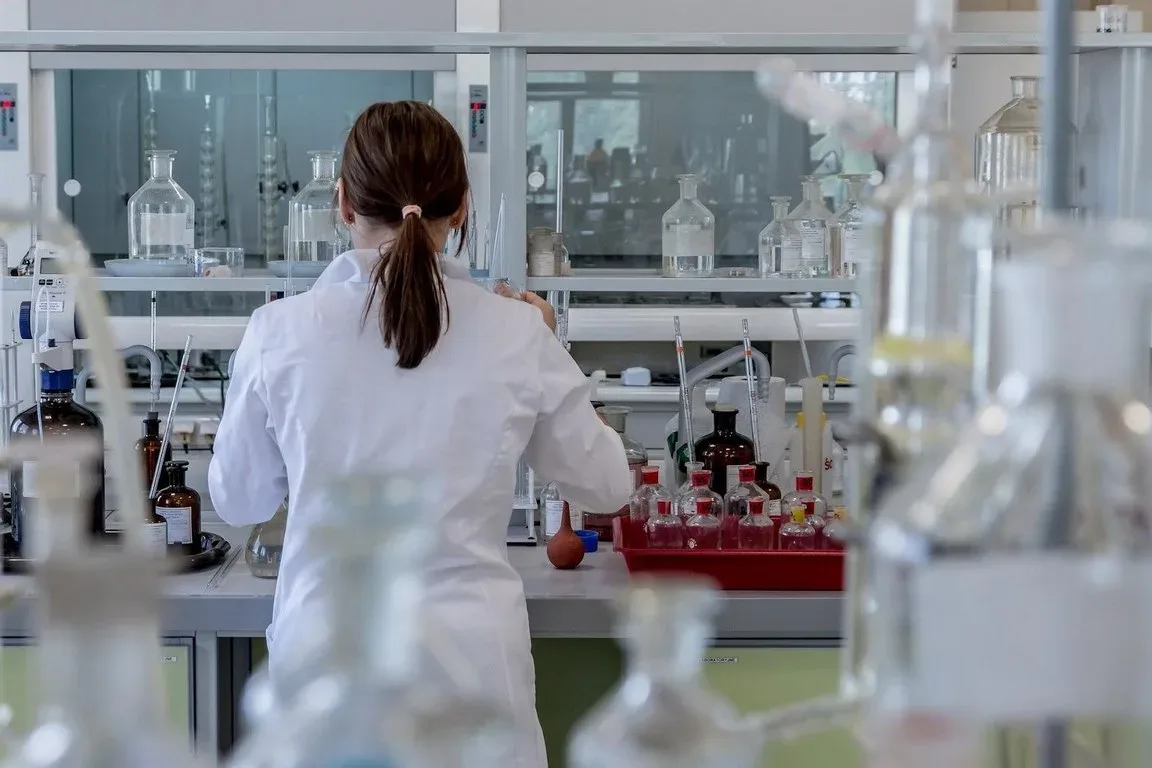
Laboratory safety is accomplished by applying layered, containment principles, which are applied in conjunction with the risk evaluation to avoid the exposure of laboratory staff to a pathogen or the inadvertent escape of a microbiological laboratory pathogen.
Primary and secondary containment require safety layers. Primary containment provides staff in the biological laboratory with immediate protection from exposure to chemical and biological hazards.
Secondary containment is intended to protect laboratory staff, the community, and the ecosystem from accidental biological hazard contamination.
Biological safety cabinets are one of the major things that you will definitely need in the laboratory.
Biosafety
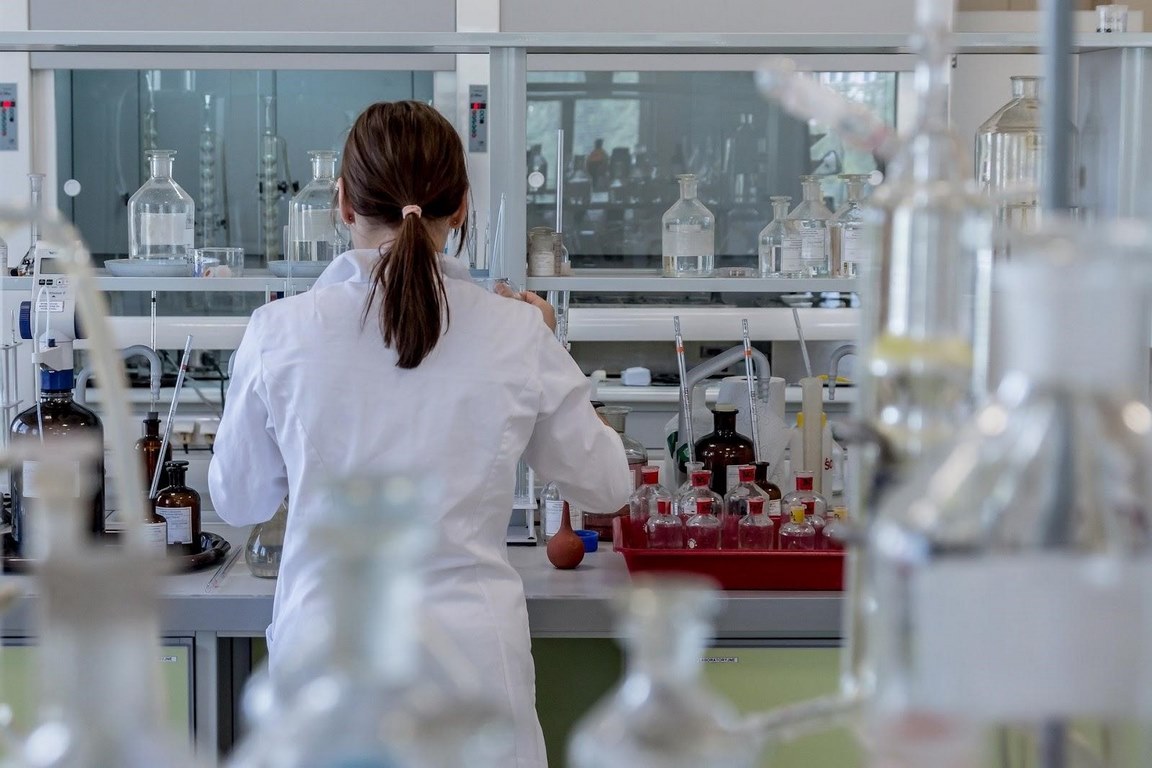
Biosafety is about the safe handling and containment of infectious microorganisms and hazardous biological materials.
In the biological laboratory, the method of safe handling of pathogenic microorganisms and their toxins is done by the implementation of the concepts of containment and risk assessment.
Biological Safety Cabinet
A Biosafety Cabinet or Biological Safety Cabinet (BSC) is a primary engineering control that is used to safeguard workers against bio-hazardous or infectious agents and to help maintain quality control of the material being handled by filtering both the inflow and exhaust air.
The microbiological or biomedical laboratory’s biological risk assessment is determined by the assessment of the hazards posed by the biological agent and the risks associated with the laboratory activities.
People working in laboratories know biological safety cabinets are there to protect laboratory employees, the environment, and critical working processes in which biological agents are used.
The cabinet you can see when you click here provides a high degree of protection against contamination. As the standards for contamination protection are paramount during the pandemic, verifying equipment origin is critical.
Uses
Biosafety Cabinets can also be categorized as filter cabinets, which are designed primarily to protect against particulate or aerosol contamination.
HEPA is a type of mechanical air filter that is pleated. It stands for High-Efficiency Particulate Air. Via its exhaust HEPA filter, a part of the air in most BSCs is recirculated back into the laboratory.
This purifies the air but does not decrease exposure to contaminants from potentially infectious aerosols, animal dander, or both.
All procedures should be carried out in a manner that reduces aerosolized material production and avoids spills. Aerosol-generating procedures are known for operations such as centrifugation, vortexing, sonification, and opening of infectious material containers whose internal pressure may be different from the ambient pressure.
This phase is carried out inside the BSC or alternative steps should be available to mitigate safety issues.
Kinds
In many laboratories, including clinical and research labs, biosafety cabinets are used. Three classes are divided into biosafety cabinets: I, II, and III.
Class I
Class I offers the user and surrounding environment protection, but no protection for the manipulated sample. It is used when working with low to moderate risk biological agents.
Biosafety Cabinet Class I is not ideal for the handling of research materials that are prone to airborne contamination, as microbial pollutants can be brought into the cabinet by the inward flow of unfiltered air from the laboratory. A Class II Biological Safety Cabinet is more appropriate under these circumstances.
Class II
Class II offers the user, environment, and sample protection and is divided into four types: A1, A2, B1, and B2. Class II variants allow different airflow patterns, velocities, location of the HEPA air filter, ventilation rates, and exhaust methods, to distinguish between the variants of the Class II safety cabinet, a type classification is required.
Based on their construction and configuration, there are two distinct types (Type A and Type B). They are graded according to the percentage of air exhausted from the common air plenum to that of air recirculated from it.
In addition, the cabinets have different exhaust systems, some of which can exhaust air directly back into the laboratory, while others can exhaust air directly back into the laboratory through ductwork to the external ventilation system.
Their minimum inflow velocities and exhaust systems are the major differences. It is used when working with low to moderate risk biological agents.
With the absence of any volatile or harmful chemicals, Type A cabinets are ideal for microbiological research since air is recirculated inside the cabinet. This type of cabinet is sub-typed further into types A1 and A2. Meanwhile, Type B cabinets are hard-driven and integrate a negative pressure plenum into the building exhaust system, and are further sub-typed into types B1 and B2.
A1 Biological Safety Cabinet
The following are the characteristics of the A1 Biological Safety Cabinet- HEPA is filtered downflow, 70 percent of the air is recirculated inside the cabinet, 30 percent of the HEPA filtered air is exhausted into the laboratory or into the outside atmosphere, HEPA filtered air can be exhausted with a thimble style duct connection back into the laboratory or into the outside atmosphere.
A2 Biological Safety Cabinet
The following are the characteristics of the A2 Biological Safety Cabinet- HEPA is filtered downflow, 70 percent of the air is recirculated inside the cabinet, 30 percent of the filtered HEPA air is exhausted either back into the laboratory or with a thimble duct connection to the outside atmosphere and it the biologically contaminated plenum is under negative pressure.
B1 Biological Safety Cabinet
The following are the characteristics of the B1 Biological Safety Cabinet-HEPA is filtered downflow, 30 percent of the air is recirculated inside the cabinet, 70 percent of the filtered HEPA air is exhausted into an external ventilation system, the cabinet is hard-driven into an external ventilation system, and biologically polluted ducts and plenums are under negative pressure.
B2 Biological Safety Cabinet
The characteristics of the B2 Biological Safety Cabinet are as follows- HEPA is filtered downflow, none of the air is recirculated inside the cabinet or work area, 100 percent of the HEPA filtered air is exhausted from the cabinet, the cabinet is ducted hard into an external ventilation system, all ducts and plenums are under negative pressure and all polluted ducts are under negative pressure.
Class III
Class III is also referred to as glove boxes. The enclosure of this cabinet is gas-tight, and all materials enter and leave through a dunk tank or double-door autoclave. It is designed for highly infectious agents and provides the highest level of protection for the environment, product, and user. Particularly, it is used when you are working with severely risky biological agents.
The cabinet of this class must meet a special set of requirements in Biosafety Level 4 laboratories with high-risk biological agents, where full containment and security go without a question. When mounted in a Level 4 Laboratory or building, the Class III cabinet serves as an extra layer of safety for workers involved in these potentially dangerous procedures.
A biosafety cabinet’s primary function is to act as a means of shielding the laboratory worker and the environment from pathogens. All exhaust air is HEPA-filtered, eliminating harmful bacteria and viruses as it leaves the biosafety cabinet. This is one of the things in the laboratory that will always come in handy.