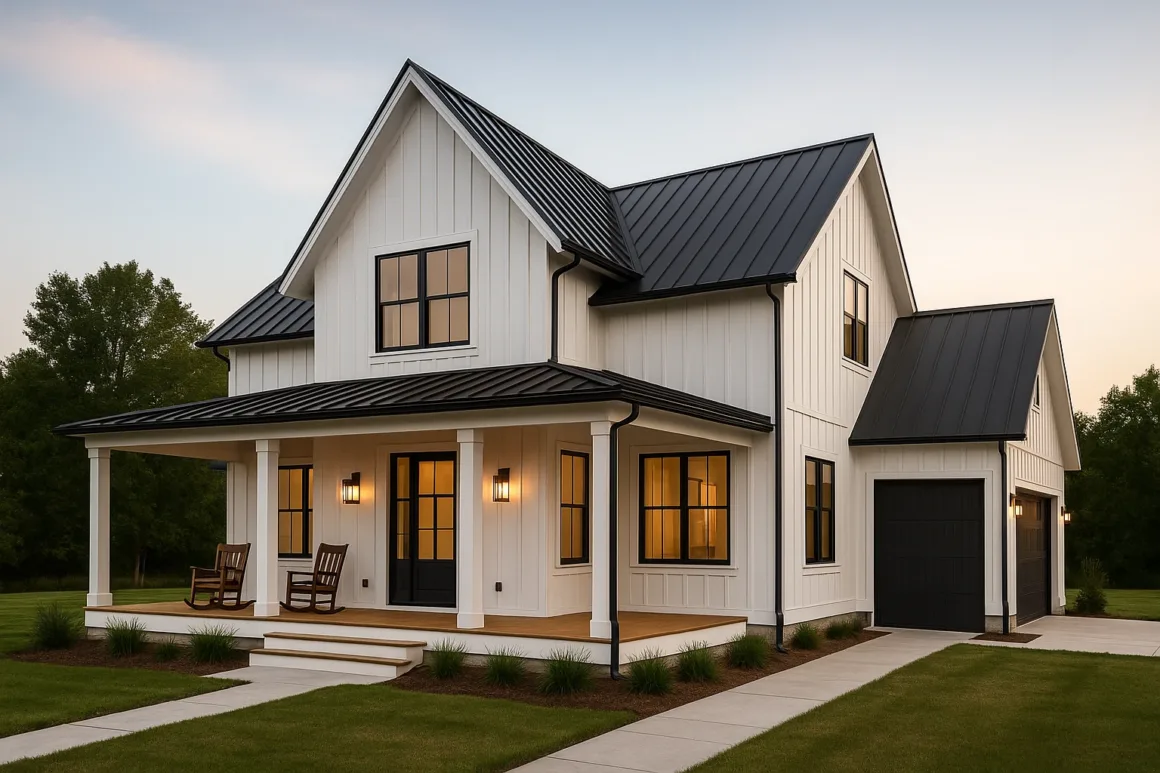
Why Farmhouse Living Still Pulls at the Heart
For generations, the farmhouse has carried more weight than just another architectural style. It symbolizes hospitality, warmth, and resilience. A farmhouse is the kind of place where porches welcome visitors, kitchens overflow with conversation, and the backyard becomes a stage for seasons.
But the journey from a farmhouse plan on paper to a lived-in home with creaking floors and sunlit corners isn’t a straight line. It’s a layered process that blends design, budget, codes, and emotional choices about how you want to live every single day.
If you’re still in the dreaming stage, you can start by browsing plans and inspiration at My Home Floor Plans. From there, you’ll begin turning sketches into something real—step by step.
Reading a Blueprint Without Fear
Blueprints can look intimidating: walls reduced to lines, bathrooms marked by circles, measurements scattered like code. But once you know what you’re looking at, they’re less abstract and more like a preview of your life.
- Symbols: Windows, doors, and fixtures are shown with shorthand icons.
- Dimensions: Pay attention not just to square footage but clearances—like whether your dining room truly fits that farmhouse table.
- Orientation: Where north lies on your plan matters more than you think. Positioning your kitchen to catch the morning sun can change your routine.
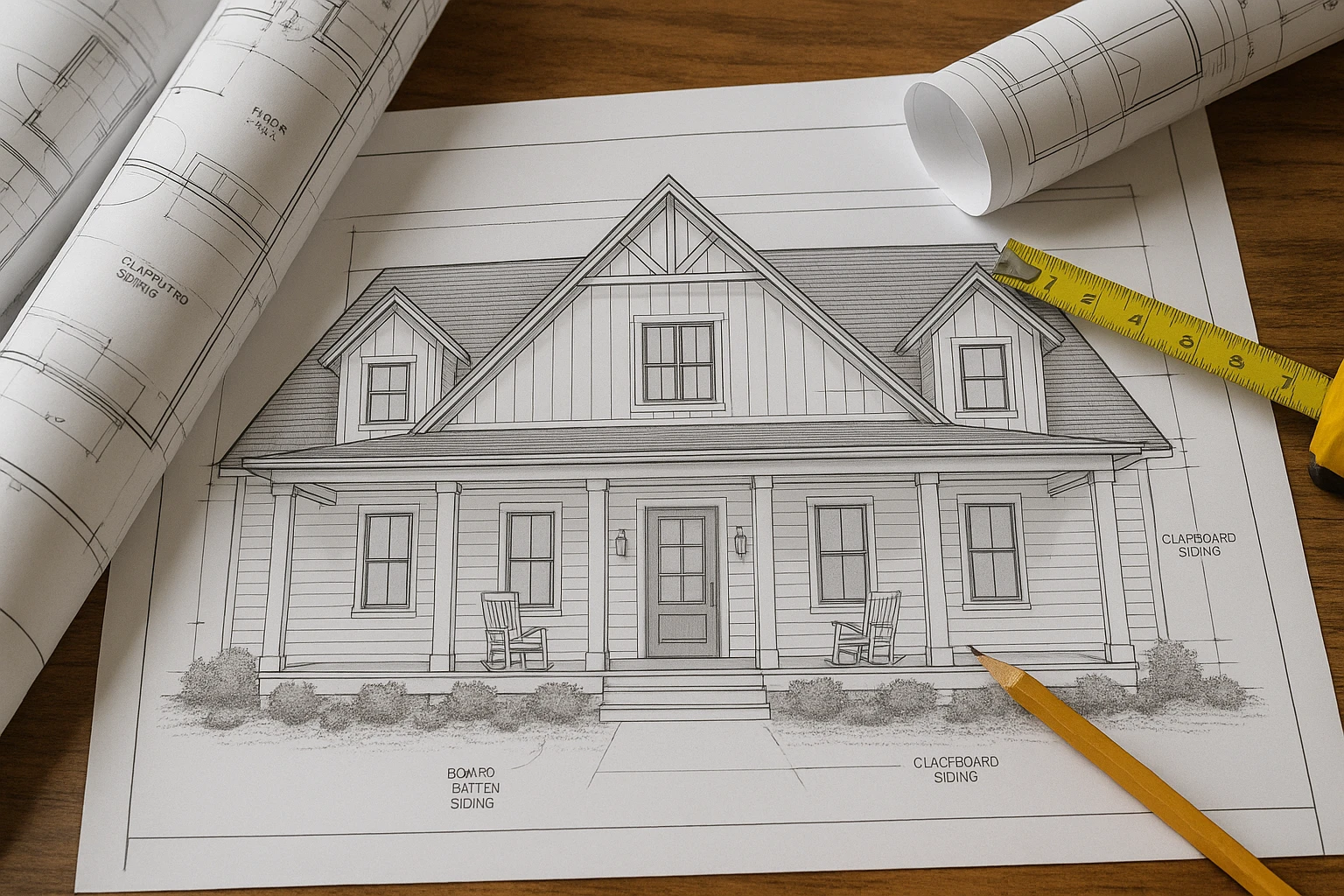
💡 The National Association of Home Builders (NAHB) advises homeowners to review plans not only with architects but also by walking them to scale on the lot or even chalked out on a driveway. Suddenly, a hallway that looked fine on paper might feel cramped in real life.
Designing the Hub: Open Floor Plans That Actually Work
The farmhouse lifestyle thrives in shared spaces. That’s why the open floor plan has become almost synonymous with farmhouse living. But an open plan isn’t automatically livable.
Consider the Smith family in Ohio: they loved their open concept, but the sound of clanging pots bounced across the house until they added acoustic panels disguised as beams. The Johnsons in Texas, meanwhile, wished they had left more room between their island and fridge after realizing three kids trying to grab snacks created a traffic jam.
Tips to make openness livable:
- Create zones with lighting or ceiling detail.
- Mind the triangle: fridge → sink → stove should be an efficient loop.
- Balance openness with retreat: add a pocket office or den near the hub.
- Soundproof smartly: rugs, curtains, and upholstered furniture absorb echoes.
The Character of Farmhouse Style: Classic Meets Modern
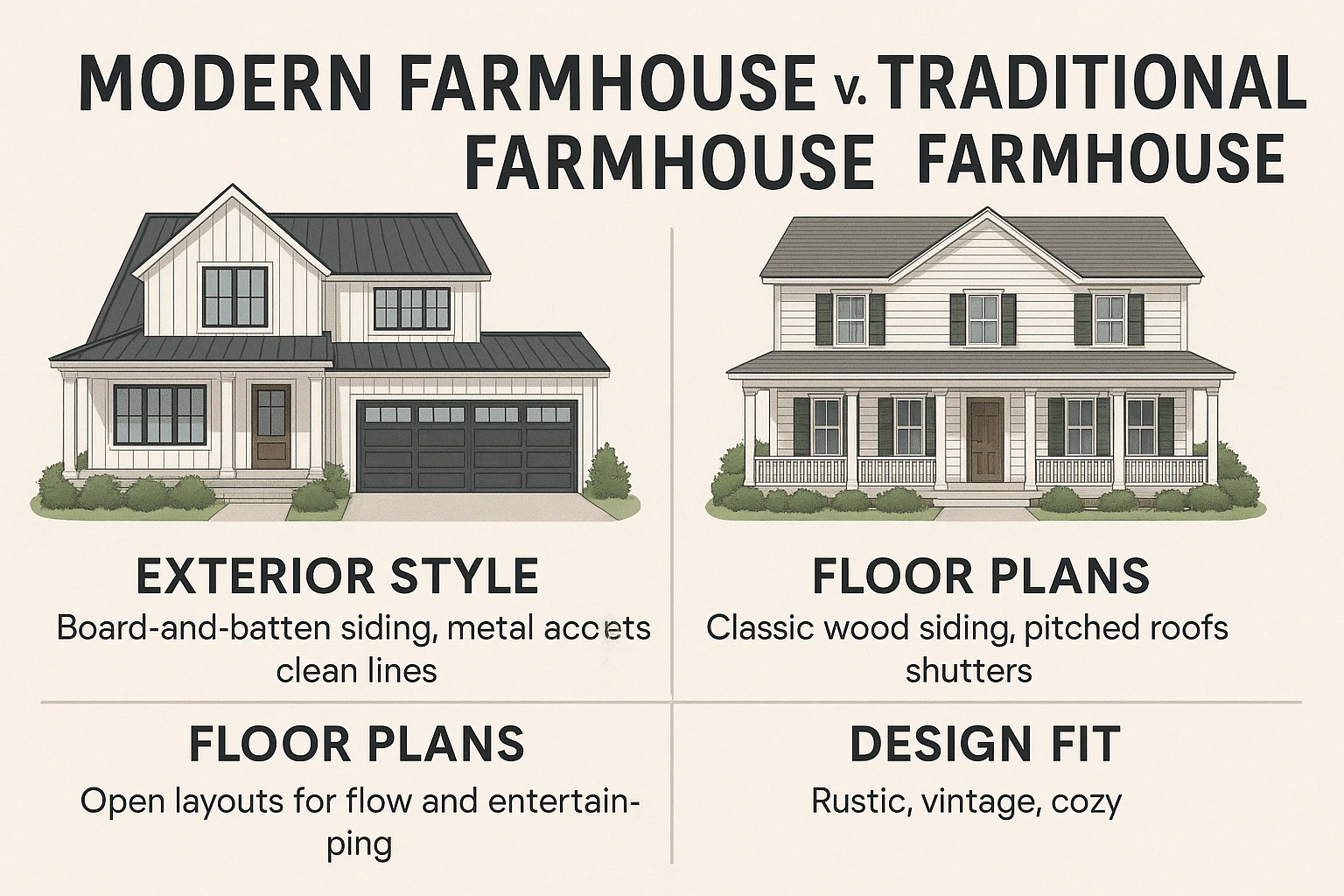
Farmhouses aren’t monolithic—they span a wide range of personalities.
- Classic farmhouses: gabled rooflines, wood siding, wraparound porches, shaker cabinetry, and reclaimed materials.
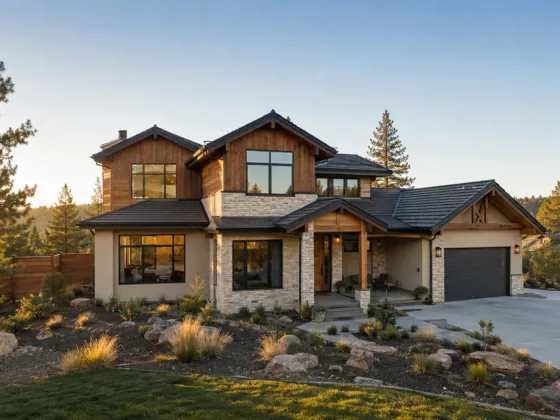
- Modern farmhouses: crisp white walls, black trim, expansive glass, clean fixtures, and minimalist detailing.
The beauty lies in flexibility. Many homeowners blend both. For instance, a traditional exterior with a modern, streamlined kitchen. Or a simple modern façade with interior touches of shiplap.
Explore the variety in modern farmhouse layouts to see how different design choices alter the overall mood.
Customization: Making the House Fit Your Life
No stock plan accounts for your exact life. That’s where customization comes in.
Case Example 1: The Busy Family
Three kids, two dogs, and endless sports equipment. Their farmhouse plan was customized with:
- A mudroom bench twice the original size.
- Extra cubbies for cleats and coats.
- A laundry room with dual washers.
Case Example 2: The Remote Worker Couple
They needed:
- A home office tucked away from the hub.
- Better soundproofing between floors.
- A side entry porch where packages could be delivered out of sight.
NAHB data shows that families who focus customization on function first—flow, storage, and natural light—are consistently more satisfied than those who only add cosmetic upgrades.
Outdoor Living: The Farmhouse Lifestyle Extended
Farmhouses aren’t just about what happens inside. Outdoor spaces are just as important.
- Front porch: Aim for 7–8 feet deep so it can truly hold furniture.
- Screened porch: In humid or buggy climates, it becomes a second living room.
- Backyard firepit: An inexpensive feature that anchors seasons.
- Outdoor kitchen: Close to the interior kitchen, shaded, with room for prep.
In New England, families often enclose porches with glass for four-season use. In the South, porches are ceiling-fanned sanctuaries from heat. Out West, homeowners may prioritize covered patios with outdoor kitchens.
💡 A family in Georgia once told me their porch swing became the single most-used “seat” in the entire house—it outpaced even the living room sofa.
Cost Considerations: Breaking Down the Budget
Costs vary widely, but here’s a realistic U.S. breakdown:
| Farmhouse Size | Cost Range | Notes |
|---|---|---|
| 1,500–2,000 sq. ft | $250k–$400k | Starter farmhouses |
| 2,500–3,500 sq. ft | $400k–$650k | Most common builds |
| 4,000+ sq. ft | $700k+ | Custom luxury builds |
Category Breakdown
- Site work & foundation: 10–15%
- Framing & roof: 15–20%
- Systems (plumbing, HVAC, electrical): 15–20%
- Interiors: 30–35%
- Exterior finishes: 10–15%
- Landscaping/outdoor: 5–10%
Regional Differences
- Texas & Midwest: Lower labor/material costs, bigger square footage for the money.
- New England & California: Higher labor and land costs, tighter codes.
- Southeast: Porches and screened areas prioritized, sometimes with cheaper labor.
💡 The NAHB warns that change orders—design changes made during the build—are the fastest way to blow a budget.
Codes, Compliance & Accessibility
Your farmhouse should look timeless but meet modern rules:
- Zoning laws: dictate porch projections, setbacks, and heights.
- Energy codes: require insulation, efficient windows, and modern HVAC.
- Accessibility: Step-free entries and wider doorways.
The ADA Standards for Accessible Design encourage zero-step entries and 36-inch-wide hallways. Even if you don’t need it now, these choices make your home future-proof and resale-friendly.
The Building Journey: Month-by-Month
Building typically runs 8–14 months. A rough timeline looks like this:
- Months 1–2: Design, selections, financing.
- Months 2–4: Permitting, bidding.
- Months 4–5: Site prep and foundation.
- Months 5–7: Framing and roofing.
- Months 7–8: Mechanical rough-ins.
- Months 8–9: Insulation and drywall.
- Months 9–11: Trim, cabinetry, tile.
- Months 11–12: Floors, paint, fixtures.
- Months 12–14: Punch list and move-in.
💡 During framing, a couple in Oregon realized their kitchen window was too high for their planned apron sink. Catching it early saved thousands.
Interiors: Details That Last
Farmhouse interiors mix durability and warmth:
- Floors: Engineered hardwoods with matte finishes.
- Cabinetry: Closed storage plus a few open shelves.
- Counters: Quartz with butcher block accents.
- Fireplace: Simple stone with timber mantle.
One homeowner said the best decision they made was running wood flooring in every room—it visually expanded the home and made cleaning easier.
Bedrooms: Private Retreats
Primary suites usually include spa baths with dual sinks and walk-in showers. Secondary bedrooms should flex: nurseries now, offices later.
Adding charm:
- Dormer windows.
- Vaulted ceilings.
- Cozy alcoves.
Efficiency, Health & Sustainability
The U.S. Department of Energy emphasizes that insulation and sealing leaks save more money than most flashy upgrades.
Combine that with guidance from the EPA Indoor Air Quality division: good ventilation, low-VOC materials, and proper filtration.
Other upgrades:
- Smart thermostats.
- Solar panels.
- Energy Star appliances.
Life After Move-In
Once the paint dries, the farmhouse begins to “teach” you:
- Which porch catches the breeze?
- Where the family naturally drops shoes.
- Which mudroom hook actually gets used?
A farmhouse isn’t about perfection—it’s about comfort, rhythm, and memory.
Checklists
Blueprint Review
- Sunlight mapped to key rooms.
- Mudroom off the garage.
- Bedroom noise buffer.
- Porch depth ≥ 7 ft.
Pre-Move-In
- Programmable thermostat set.
- Porch outlets installed.
- Door stops in place.
- Furniture pads on chairs.
Maintenance
- Repaint siding every 7–10 years.
- Clean gutters twice a year.
- Inspect porch posts for rot.
- Replace HVAC filters quarterly.
FAQs
How long does it take to build?
8–14 months depending on design, builder, and weather.
Can I customize a farmhouse plan?
Yes. Plans are flexible—add porches, resize rooms, or shift layouts.
Are farmhouses energy efficient?
They can be—with DOE-recommended insulation and efficient systems.
Do farmhouse plans work on city lots?
Yes, many adapt to narrow parcels.
What’s the best porch depth?
At least 7 feet.
Do I need a construction loan?
Often, yes—construction loans convert to traditional mortgages at move-in.
What adds resale value?
NAHB notes kitchens, porches, and storage drive value.
How do I maintain wood siding?
Repaint or reseal every 7–10 years; power wash annually.
What about insurance?
Check for porch and outbuilding coverage; rural builds may need special policies.
What if I plan to age in place?
ADA-inspired features—like zero-step entries—make a big difference.
My Home Floor Plans is a team of architectural designers and building professionals with over 20 years of combined experience. We specialize in practical yet beautiful house plans and guides that help families bring dream homes to life. Every article is fact-checked against trusted sources like NAHB, U.S. Department of Energy, and ADA Standards to ensure accuracy and trustworthiness.
Reviewed By
Reviewed by Amanda Green, Licensed Architect with 15+ years of residential design experience.