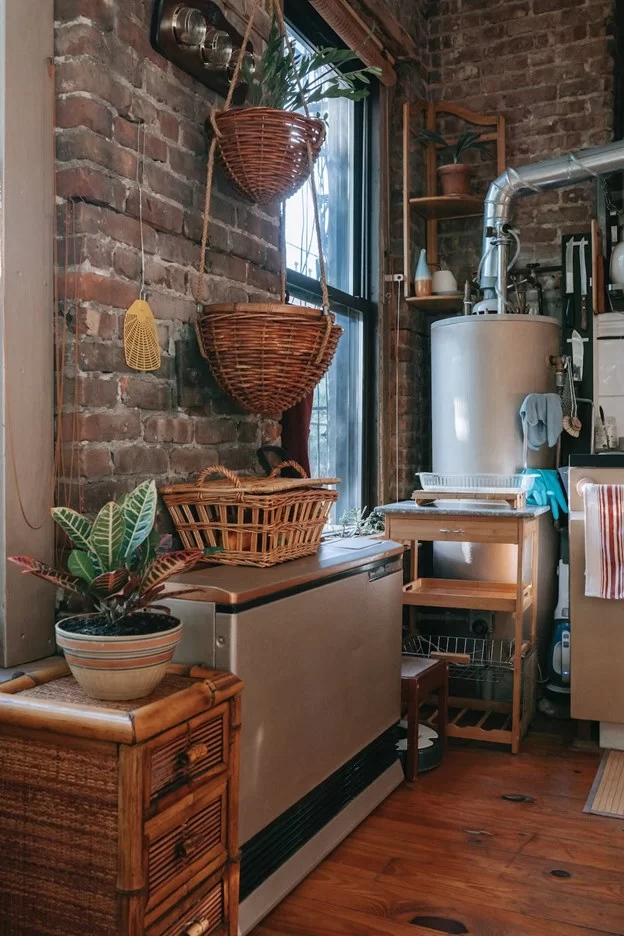
Water heaters work harder during the cold winter months and need to be properly maintained to keep them running at peak efficiency.
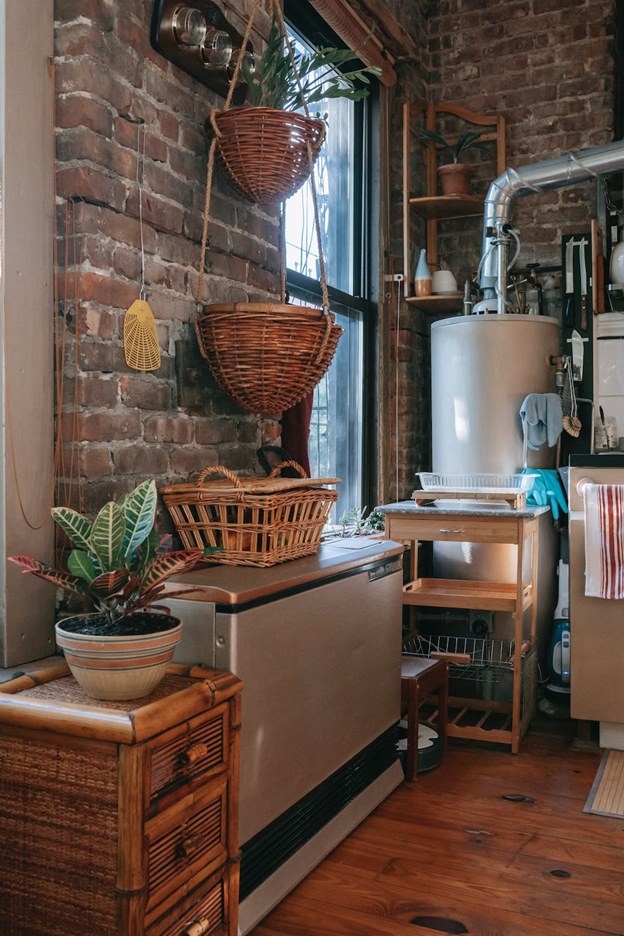
It is important to check and adjust the boiler pressure valve in the fall and winter to avoid over-pressurization. These valves should be inspected every six months to prevent any damage.
Winter is a Critical Time for Water Heater Maintenance
In the winter, the water in a boiler can freeze and expand which can damage the components and cause a leak. Frozen water can also affect the pipes and cause flooding, so check out:
https://bosqueplumbingandair.com and consider bringing the professionals in. It is vital to take the necessary precautions to avoid these problems and to ensure the safety of your home.
Boilers often require periodic draining to remove excess sediment. The sediment can interfere with the water heater’s functions and increase energy consumption.
This is especially important during the winter season when water usage is highest. To remove this buildup, drain the water tank at least two to three times a year.
Checking for Sediment Build-Up
During colder seasons, many appliances need to undergo seasonal maintenance, including water heaters. You should check for sediment build-up to extend the life of your boiler. Besides, sediment build-up can affect the look and smell of hot water.
You can schedule sediment removal at the same time as regular HVAC maintenance to help you manage your hot water quality. Flush the boiler with two to three gallons of water to remove sediment. This will increase efficiency and extend the life of your boiler. Additionally, it will save you money on your energy bills.
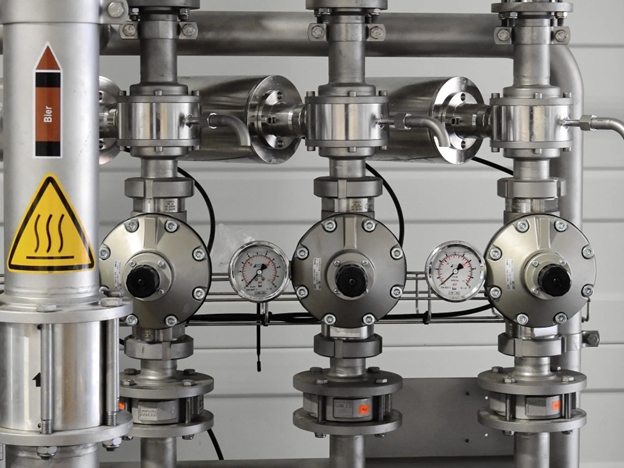
It will also make your water warmer faster. If you are unsure, check the instructions for your model of boiler. In addition to sediment build-up, you should also check the pressure relief valve of your boiler. If it isn’t working properly, it might need a new valve. Sediment build-up in water heaters can lead to damage to the water tank and the lines.
Read Also:
Checking the Temperature of Your Hot Water
Checking the temperature of your hot water heater is a great way to reduce energy costs. Just 10 degrees higher than the set temperature can save you as much as 5%.
In addition, it will make your shower more pleasant and comfortable. To do this, run a faucet in your home and check the temperature. If it’s too high, raise the temperature to a lower level.
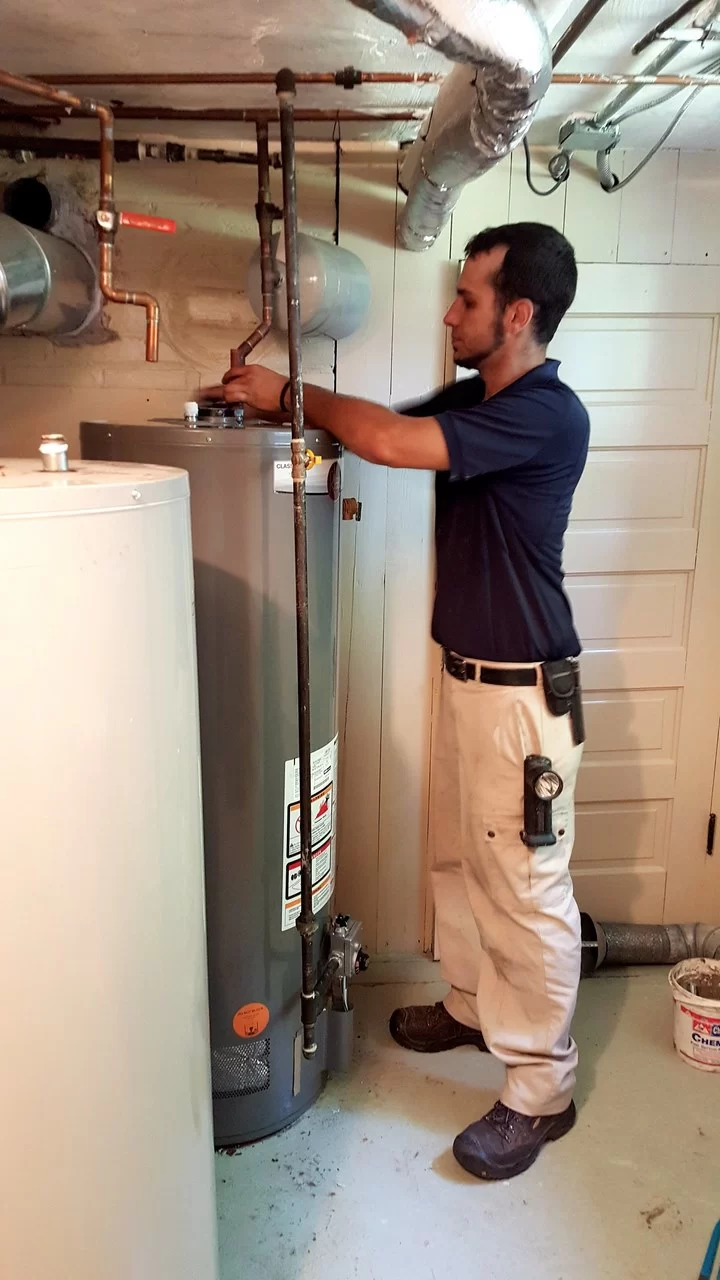
The temperature should be around 120 degrees and should match the temperature on the boiler thermostat. To do this, access the T&P valve as seen here, which is usually located on the top of the unit. To access this valve, you will need a wrench. You’ll also need a bucket or bowl to catch the water that comes out of the valve.
Be sure to lift the lever gently; raising it too high will cause the water to slow down and release air and steam. Checking the temperature of your hot boiler is an important part of seasonal maintenance. Winter is a time when many appliances need to be checked and maintained, and the water heater is no exception.
Regular checks will prolong its life and help you have plenty of hot water for the colder months. During winter, the temperature of your hot water heater can become too low or too hot. If this happens, it could be a sign that your boiler is having a problem. It could be an issue with the thermostat or a sediment buildup.
If it is the latter, you should consider getting a replacement unit. Checking the temperature of your hot boiler is a good way to save energy and money. By adjusting the temperature, you can save as much as 3% to 5% of your monthly utility bills. In addition to this, it will protect your tank from bacterial growth.
Checking for Leaks
If you have a water heater in your home, it is important to check for leaks. Leaks can lead to higher water bills and a less efficient system. Luckily, there are ways to prevent these problems from occurring.
You can use a water leak sensor to check the unit and prevent costly water damage. A leak can come from several places. One common area is the bottom of the tank. If water begins to pool at the bottom, this is a sign of a leak.
Another place to check is the drain valve. It is typically found near the bottom of the tank, so make sure it is closed while checking for a leak. Checking for leaks is a good idea every six months or so (www.epa.gov/GoodLeakTesting). First, drain any sediment in the tank. This sediment can corrode the tank and reduce its heating efficiency.
Also, check for rust and corrosion. If you see these areas, you may need to replace the anode rod. You should also check the water flow rate of the boiler. If the water flow rate is low or high, it is a sign of buildup in the system. This may lead to hot water issues, especially during the winter months.
You should contact a plumber to perform this maintenance. Leaks in a boiler can be small or large. The key is to identify them and fix them. If a leak is small, it may be easily fixed with a towel. Otherwise, it may be a sign of a more serious internal problem.