• DIY
    • Crafts
      • Outdoors & Garden Projects
    • Decorating
      • Exterior Painting & Decorating
      • Painting & Wallpaper
      • Room by Room
    • Furniture
      • Cabinets
      • Tables
    • Woodworking
  • Home Improvement
    • Real Estate
    • Living
    • Entertaining
    • Home Building & Design
      • Home Interior
      • Home Exterior
    • Home Management
      • Home Organization
    • Remodeling
    • Living Areas
    • Bathroom
    • Kitchen
  • Lawn & Garden
    • Lawn Care
    • Vegetable Gardening
    • Landscaping
      • Irrigating
    • Flowers
    • Trees & Shrubs
  • Categories
    • Home Improvement
    • Lawn & Garden
    • Landscaping
    • Real Estate
Housesumo.com
  • DIY
    • Crafts
      • Outdoors & Garden Projects
    • Decorating
      • Exterior Painting & Decorating
      • Painting & Wallpaper
      • Room by Room
    • Furniture
      • Cabinets
      • Tables
    • Woodworking
  • Home Improvement
    • Real Estate
    • Living
    • Entertaining
    • Home Building & Design
      • Home Interior
      • Home Exterior
    • Home Management
      • Home Organization
    • Remodeling
    • Living Areas
    • Bathroom
    • Kitchen
  • Lawn & Garden
    • Lawn Care
    • Vegetable Gardening
    • Landscaping
      • Irrigating
    • Flowers
    • Trees & Shrubs
  • Categories
    • Home Improvement
    • Lawn & Garden
    • Landscaping
    • Real Estate
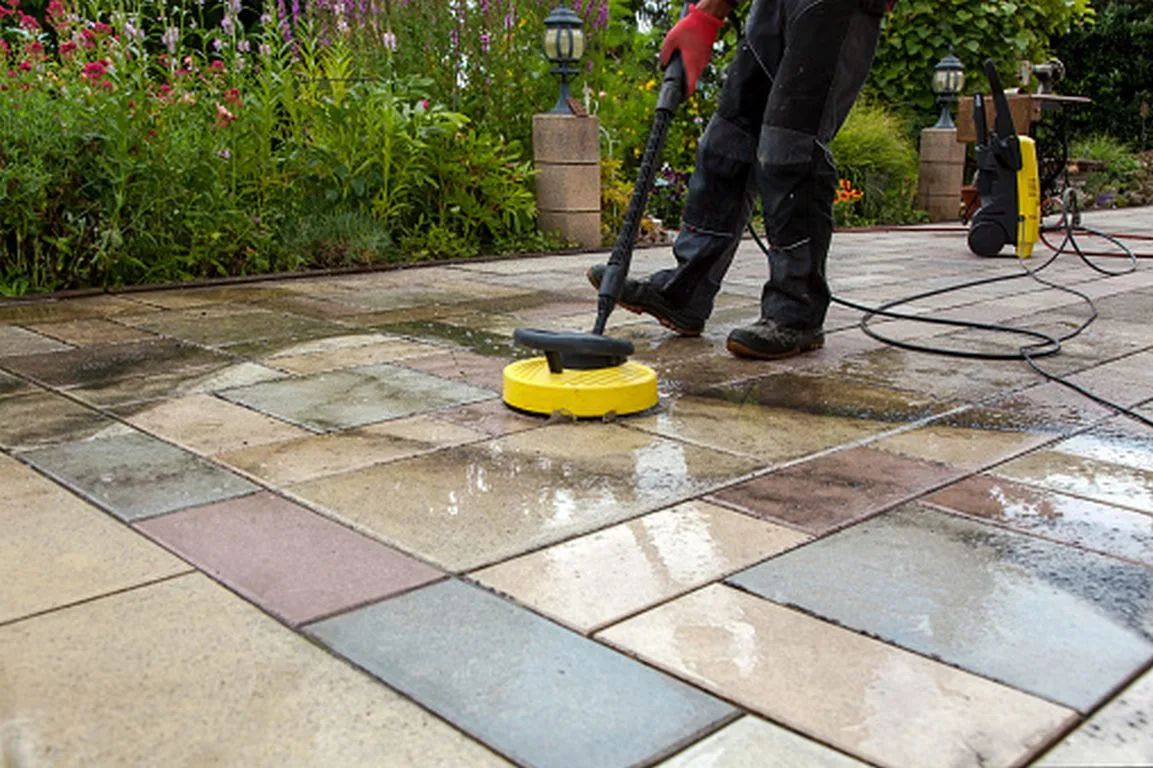
featured image - Paver Sealer To Seal or Not to Seal
  • Home Improvement
  • DIY

Paver Sealer: To Seal or Not to Seal?

  • Perla Irish
  • May 8, 2022
Total
3
Shares
3
0
0
0

To seal or not to seal the outside patio? It is a question that often crosses the mind once the pavers are installed or about to get installed. Let’s arrive at a decision!

Stone patios are often the most neglected stone floors yet arguably the most important owing to the high level of traffic it experiences on a daily basis, in addition to dirt, muck, and rainwater during the monsoon.
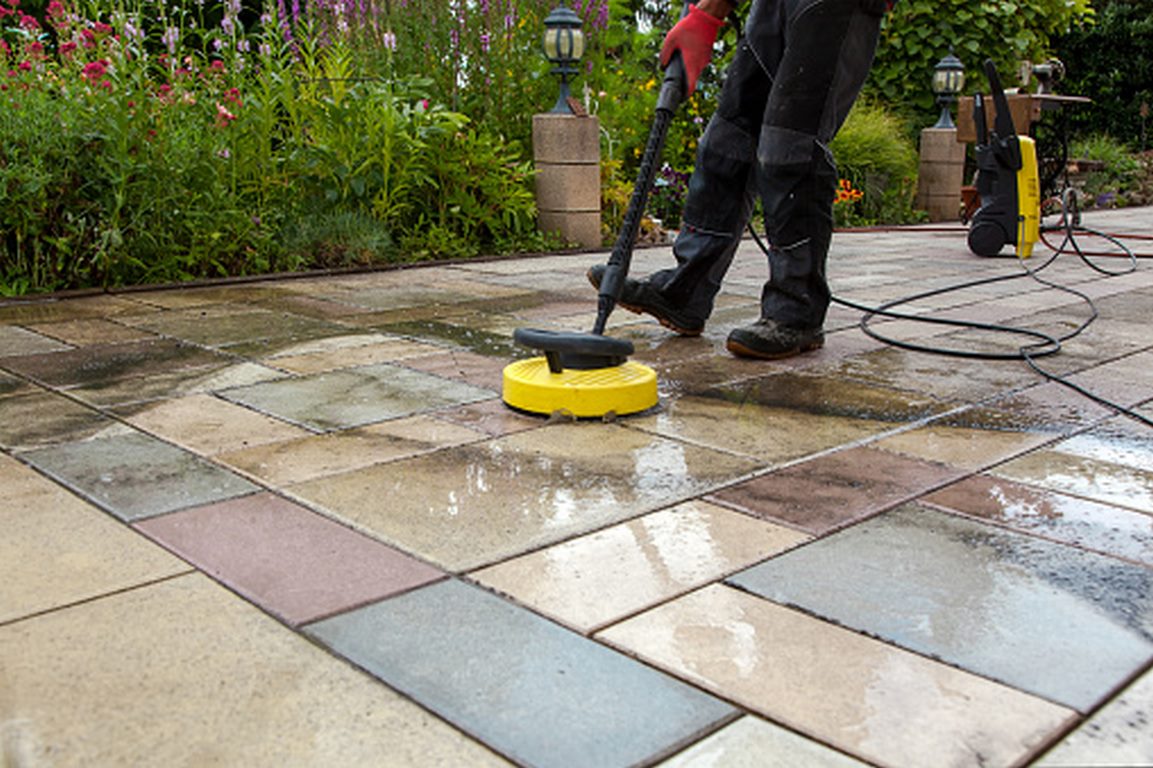
image - Paver Sealer To Seal or Not to Seal
Paver Sealer To Seal or Not to Seal

The patio slabs usually absorb stains and liquids due to their porous nature which might create problems with muddy footprints and similar conditions.

Sealing the slabs will help to protect against staining while preventing extra moisture build-up within natural paver stones. It also helps to control the growth of algae, moss, or mold.

When Should You Seal Your Slabs?

The perfect time for sealing your slabs absolutely varies depending on your time and the outcome that you wish to attain.

When considering whether to use a paver sealer or not, it’s essential to explore high-quality options like the spray stone sealer to ensure long-lasting protection and enhanced durability for your pavers.

If you seal the slabs prior to laying them, it will help to secure them against cement stains that are very common during the installation process.

This step can be long and a bit tiring compared to sealing the entire patio, but it is worth the effort and time.

If you don’t want to seal every slab individually, you can still choose to seal the slabs after they are laid.  If your patio is about to be used heavily just from the beginning, it’s best to seal it right away.


Read Also:

  • Why You Should Use Limestone Pavers for Your Living Area Flooring
  • Best Way to Keep Weeds From Growing Between Pavers and Cracks
  • How to Make Concrete Molds for Patio Blocks and Walkway Pavers
  • The Pros and Cons of your Paver Sealing

What Are The Benefits of Sealing Your Patio?

Patio sealing helps to protect it against dirt and rainfall, which ensures a clean look for a longer time. The protection layer will keep all of those on the surface level so that they can easily be wiped away.

What Should You Use to Seal Your Slabs?

Acrylics that are solvent-based or water-based are the most commonly used sealer type on concrete patios and other exterior flatwork since they are easy to use, budget-friendly, and good for use outdoors given to their UV resistance, breathable functionality, and non-yellowing nature— which also means they are good at repelling water while allowing water vapor inside the slab to evaporate.

If a natural look is what you prefer over a sheen and don’t want a coat of sealer on the patio surface, a penetrating sealer is an alternative that provides good outdoor protection without forming a film on the surface.

When choosing a sealer, the first and most important consideration is whether the product is compatible with the decorative concrete patio surface that you plan to seal, followed closely by the type of finish you are looking for.

Things You Must Avoid

It is highly recommended to avoid using any chemical with high acidity for treating your paving, as chemicals high in acid content can stain your slabs.

Some builders will suggest using brick acid to clean up your patio. While brick acid can do wonders, it will do more harm than good on natural stone slabs.

Jointing compounds also get affected and produce unwanted effects with the use of any acidic chemical and it can pose a serious threat to children, pets, and plants; so it is best recommended to be avoided.

0
0
3
0
Total
3
Shares
Pin it 3
Share 0
Tweet 0
Share 0
Share 0
Related Topics
  • benefits
  • patio
Previous Article
featured image - Tips to Save Energy in HVAC Systems
  • Home Improvement
  • DIY

Tips to Save Energy in HVAC Systems

  • Perla Irish
  • May 8, 2022
View Post
Next Article
featured image - Simple Ways to Love Your Kitchen Again
  • Kitchen
  • DIY
  • Home Improvement

Simple Ways to Love Your Kitchen Again

  • Perla Irish
  • May 9, 2022
View Post

You May Also Like

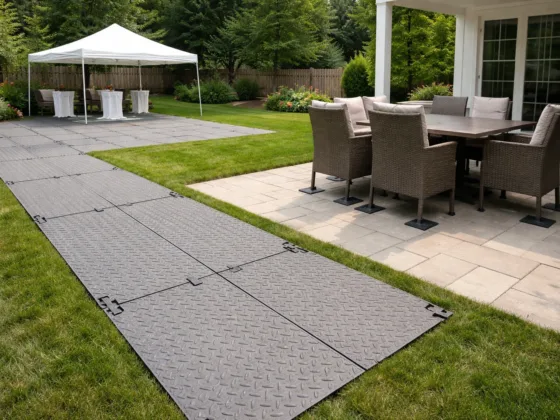
Temporary ground protection panels installed over lawn beside a residential patio to prevent surface damage during an outdoor event
View Post
  • Lawn & Garden
  • Lawn Care

How to Protect Your Lawn and Outdoor Surfaces During Events (Before Damage Sets In)

  • Perla Irish
  • February 23, 2026
Side-by-side comparison of casement and double hung windows in a modern home interior
View Post
  • Remodeling

Replace Casement Window with Double Hung? Structural & Code Impacts

  • Perla Irish
  • February 20, 2026
New residential asphalt driveway with smooth surface and landscaped edges
View Post
  • Home Improvement

Asphalt Driveway Advantages vs Concrete: Cost, Lifespan & Structural Value

  • Perla Irish
  • February 20, 2026
Modest kitchen with wood-look faux butcher block countertop
View Post
  • Kitchen

DIY Faux Butcher Block Countertops: Cost, Durability & Long-Term Reality

  • Perla Irish
  • February 14, 2026
Modular furniture components arranged as an adaptive interior system rather than fixed standalone pieces.
View Post
  • Furniture

Modular Furniture Beyond Sofas: Designing Interiors That Adapt Over Time

  • Perla Irish
  • January 27, 2026
Flexible living room interior layout illustrated as a system, showing modular seating, storage, and furniture arranged for long-term adaptability rather than fixed styling.
View Post
  • Home Interior

Flexible Living Room Layouts: Designing Spaces That Adapt Over Time

  • Perla Irish
  • January 26, 2026
Neutral living space illustrating eco-friendly interior design through flexible layout and long-term adaptability.
View Post
  • Home Interior

Transforming Your Home With Eco-Friendly Interior Design

  • Perla Irish
  • January 26, 2026
Illustration showing a neutral living room layout with abstract seating zones and circulation space.
View Post
  • Furniture

What Is a Modular Sofa and Why It Works for Modern Living Rooms

  • Perla Irish
  • January 21, 2026

Join 13,000 folks!

Get instant access to our weekly newsletter where we share the best! 100% Privacy. No Spam.

  • Disclosure & Affiliate Policy
  • Privacy Policy
  • Terms of Use
  • About
  • Sitemap
  • Contact Us

Input your search keywords and press Enter.