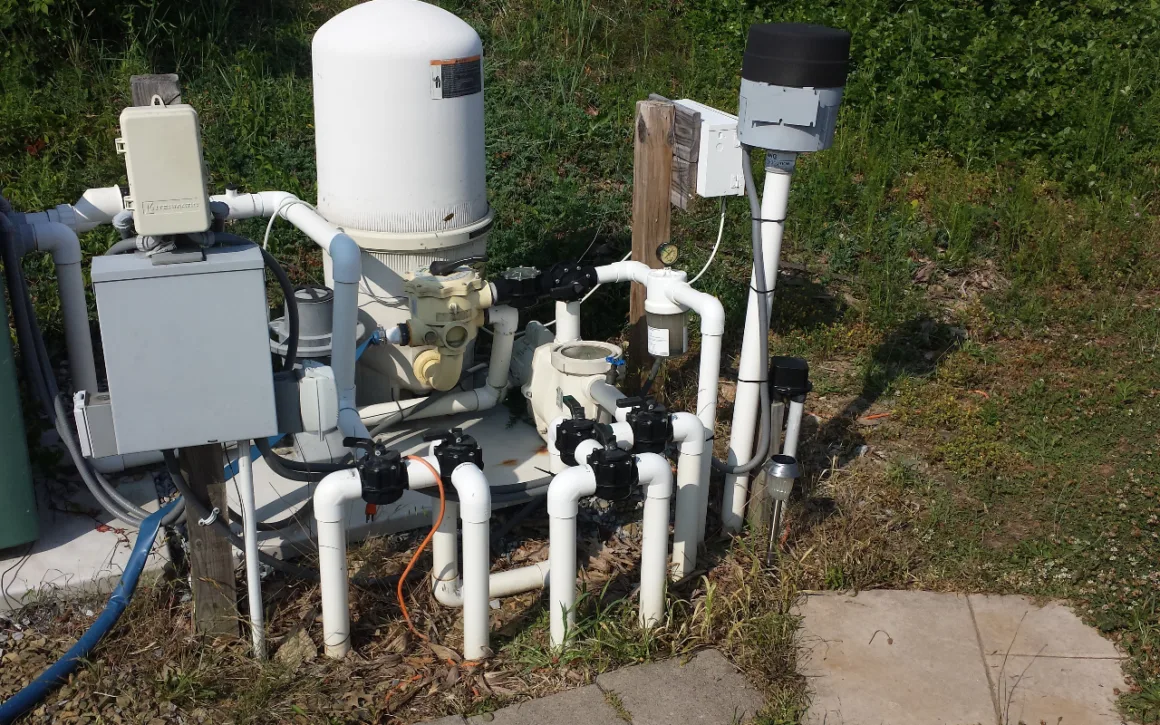
Pool pumps tend to be loud than usual whenever there is a blockage in the motors. Blockage in the pump causes the pool pump motor to overwork, and as a result, produces a loud sound.
Continued use of the pool pump at this condition may lead to it sucking in air and water and deteriorate its condition. You need to know the part of the pool pump that is producing the noise. Noise can either come from the motor, where the operating power of the pump is.
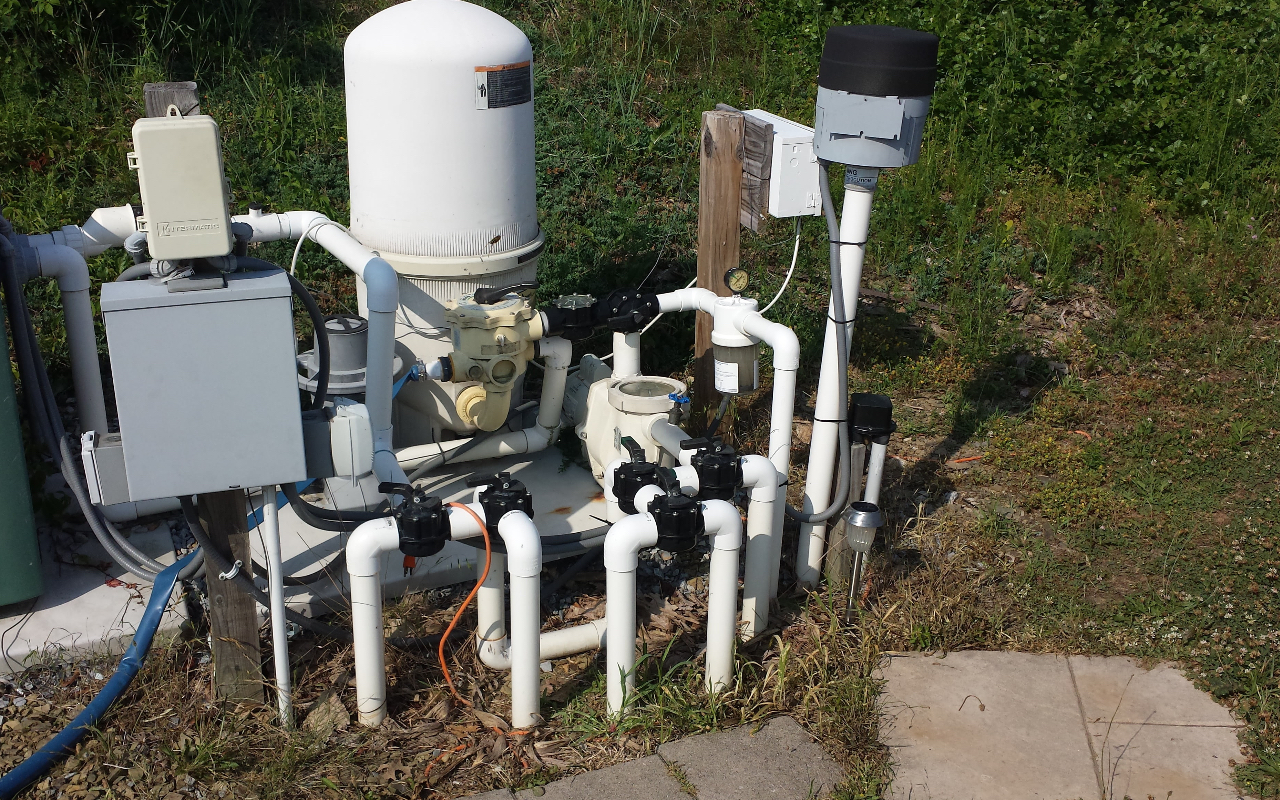
Additionally, the noise can result from the impeller, the spinning blade that brings water into the pump. Another source of noise is the housing.
This part has a mesh- lining in the shape of a basket that joins in the filter. We will give you more details on why your above ground pool pump is so loud.
Why is My Above Ground Pool Pump So Loud?
If you are wondering why your above ground pool is noisy, here are some common reasons as seen on poolity.
Read Also:
-
Low Water Level
A pool may get noisy if the water levels are low than required. The drier it gets, the higher the sound it will produce. When the water levels fall below the skimmer’s faceplate past halfway, there is so much strain caused to the pool, making it work harder and louder.
-
Part of The Pool Affected
The noise level will depend on the part of the pool pump with problems. When the impeller and the housing are affected, the noise is like a container or surface full of rocks.
On the other hand, a highly-pitched screeching sound will result from the motor being in poor condition. It shows that the bearings of the motor are not in good condition.
-
Motor Wear
Bearings are fixed onto the pool motor to reduce the friction that the electro-magnets cause to the motor making the shaft spin continuously. As a result of the friction, there is wear and tear in the motor. You cannot lubricate the bearing. Therefore, you need to replace them or change the motor at large.
-
Cavitation
Your pool may also become noisy because of cavitation. This means that the pump will be lacking enough water to run it normally. As a result, the pump impeller will spin at a higher rate with inadequate water and star beating the air particles out of water.
The pump will suck the air in, and it will get dry, making the water in to boil.
-
Hot Impeller
Steam from the boiling water will make its way up to the shaft seal, resulting in its failure. This also melts the side fitting of the pump, making it loosen.
The impeller gets hot with time and results in separating its shaft that is made of brass. The impeller starts to produce a rattling sound in the pump, causing so much noise from it.
-
Internal Blockage
This may also be a major reason why the pool pump is producing a lot of noise. Debris may enter the pump and produce a lot of noise similar to that of grinding.
In some pool pumps, if the impeller comes into close contact with the volute’s face, a grinding sound will be produced. Try as much as possible to keep these two parts separated to avoid damage and the noise they can cause when in contact.
How to Make Your Noisy Pool Quiet
Here are some of the ways you can make your noisy pool quiet.
Add Water
The simplest way to make your noisy pool quiet is by adding water. Make sure you pass the water under a sieve so that all particles will not go down the pump as they cause blockages.
Ensure that all the excess air inside is trapped off and directed out of the pool. When full, test whether the noise has reduced in the pool pump.
Check for Debris
When you notice an abnormally loud sound from your pool pump, check on its condition to prevent damages. Switch off the filter from the main switch. Disconnect the pump and keep the pump basket cover open. Check for the possible debris inside.
They may include small rocks, dry leaves, and other sediments that can cause a blockage. Remove all these debris and clean the pump basket using running water from a hose. Always ensure that the skimmer basket is clean. This reduces the noise from your pool pump.
Check Impeller and Spinning Blade
You may also choose to check the impeller and the spinning blade. These are the points where water is pushed inside the housing, filtered, and taken back to the pool. Feel if the impeller is clogged using your hand. You do not have to plug the pump in.
If you find the impeller blocked, use a bent and stiffened wire and get rid of the debris. Adjust the impeller or replace it with another one if it shows signs of unsteadiness. Check on whether its condition has improved. There should be little or no noise every time your pool pump is working.
Replace Bad Bearings
Bad bearings will always produce a whining sound. You may choose to do it yourself or take it to a local motor repair shop. Alternatively, you may also use a hammer to tap the motor casing forcefully. Do it several times and see whether it will still produce noise.
Check Filter Housing
Ensure that the pump and filter housing are of the same level on the ground. Any time the filter system is not on ground level or uneven, the pool pump’s internal parts will produce a vibrating sound.
Conclusion
Noisy pool pumps can be disturbing, as they will always prevent you from having enjoyable moments at the pool. This is why you need to check on your pool’s condition regularly. Always check the water levels in your pool. It should not be below half of the faceplate of the skimmer.
Bad bearings are also a cause of noise in the pool pumps, and thus they should be replaced as soon as they go bad. Level up the pump and the filter housing to avoid the bearing sounds caused when they are not on the ground level.
Whenever there is an internal blockage, remove all the debris from the pump basket and clean it with clean running water from a hose. This will always keep your pool in good condition, and it will not produce unwanted noise.