Improving property value is rarely about one dramatic upgrade. In most cases, value grows through a series of thoughtful decisions made over time—some visible, others less obvious, but all contributing to how a home is perceived, used, and maintained.
Whether a property is being prepared for sale, long-term rental, or future development, focusing on clarity, condition, and functionality tends to deliver more consistent results than trend-driven changes.
The following strategies focus on practical improvements that help strengthen property value while remaining adaptable to different markets and buyer expectations.
1. Update Key Functional Spaces First
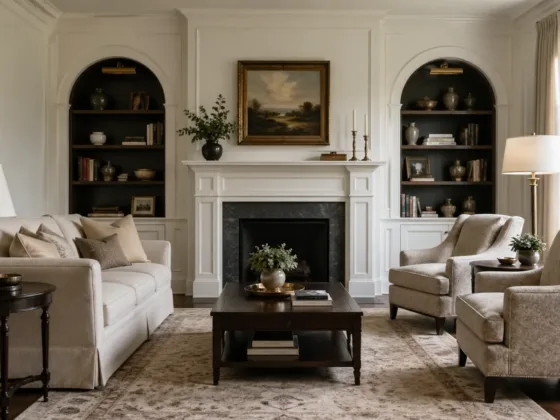
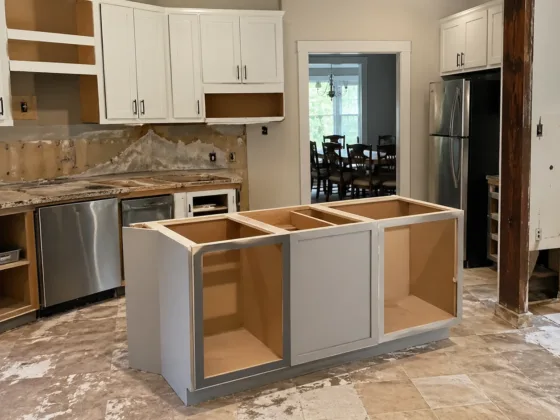
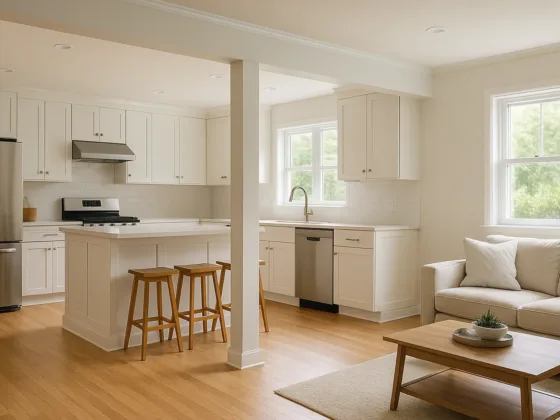
Kitchens and main living areas continue to play a central role in how buyers assess a property. Updates do not need to be extensive to be effective—often, improving layout flow, replacing worn finishes, or updating fixtures delivers noticeable value gains.
Prioritizing function over appearance helps ensure improvements remain relevant over time rather than tied to short-lived design trends.
2. Address Structural and Weather-Exposed Elements
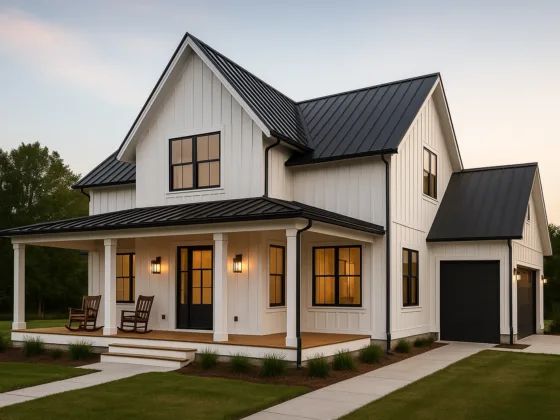
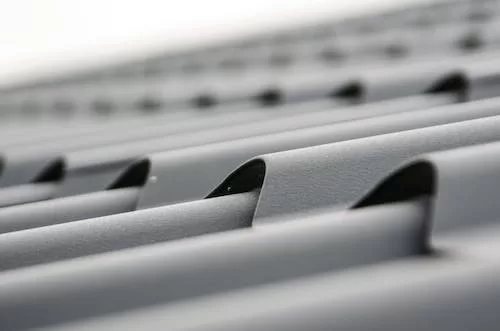
Elements such as roofing, drainage, and exterior finishes influence both property value and buyer confidence. While these upgrades may not always be visually striking, they reduce perceived risk and signal responsible ownership.
Maintaining these systems helps protect long-term value and prevents avoidable issues that can quickly erode buyer trust during inspections.
3. Improve Energy Performance Where Possible
Energy efficiency increasingly affects how properties are compared. Improvements such as insulation upgrades, efficient lighting, and modern climate systems can reduce operating costs while making a property more attractive to future occupants.
These upgrades tend to age well, particularly as regulations and buyer expectations continue to evolve.
4. Strengthen Street Presence and First Impressions
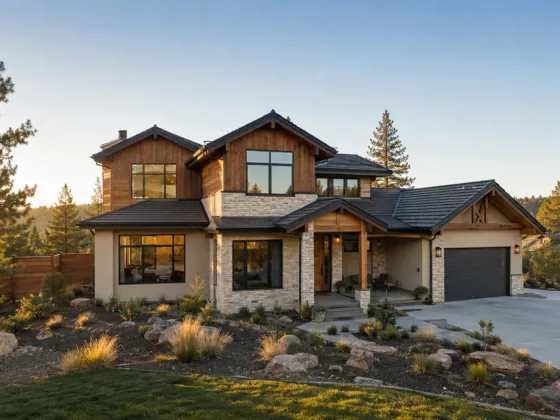
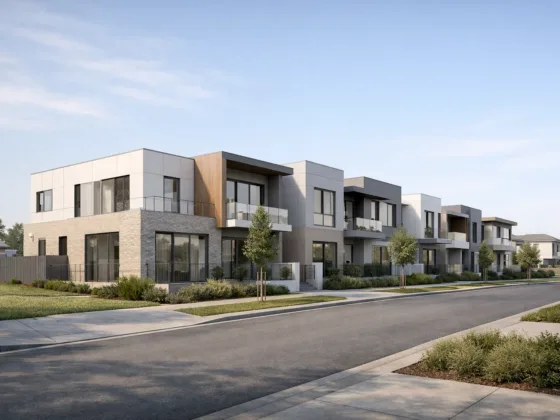
External presentation still plays a role in value perception. Clean lines, maintained landscaping, and coherent exterior finishes help properties feel cared for and established.
- Clear, well-maintained exterior lines
- Consistent landscaping rather than decorative excess
- Coherent finishes that signal long-term care
5. Modernize Bathrooms with Restraint
Bathrooms benefit from clean finishes, reliable fixtures, and sensible layouts. Neutral materials and durable surfaces tend to appeal to a wider audience and reduce the likelihood of future rework.
Well-executed bathroom updates signal care and consistency throughout the property.
6. Extend Usable Space Where Appropriate
Outdoor areas, balconies, or flexible interior zones add value when they feel usable rather than decorative. Clear boundaries, practical finishes, and simple layouts help these spaces function as natural extensions of the home.
Buyers respond more positively to spaces they can immediately understand and imagine using.
7. Adapt Spaces to Contemporary Living Patterns
Flexible rooms that support work, study, or multi-purpose use have become increasingly valuable. Properties that accommodate changing lifestyle needs without major structural changes tend to retain value more effectively.
Clear planning and thoughtful zoning often matter more than size alone.
8. Choose Flooring That Balances Durability and Neutrality
Flooring significantly influences how a space feels. Durable, neutral materials help properties appeal to a broader audience and reduce perceived maintenance burden.
Consistency across rooms also contributes to a more cohesive overall impression.
9. Maintain the Property Proactively
Routine maintenance remains one of the most effective ways to protect value. Addressing minor issues early prevents larger problems and reinforces confidence in the condition of the property.
Well-maintained homes tend to outperform neglected ones regardless of location or market conditions.
10. Consider Value Decisions Early in the Property Lifecycle
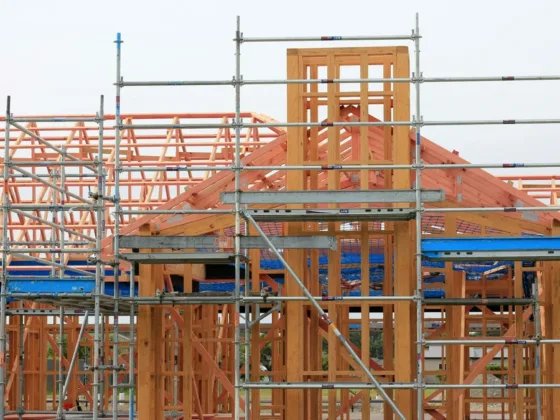
Many value-related outcomes are shaped long before a property is completed or listed. Early planning, clear documentation, and consistent communication help align expectations—particularly in development contexts where buyers commit before completion.
This is where a clear approach to off-the-plan property marketing plays a meaningful role in shaping long-term value by reducing uncertainty and improving buyer confidence from the outset.
Final Thoughts
Boosting property value is less about chasing trends and more about making informed, consistent decisions across planning, presentation, and maintenance.
When properties are easy to understand, well maintained, and thoughtfully designed, value tends to follow naturally—both in the short term and over the longer lifecycle of the asset.
This content is provided for general informational purposes only and does not constitute financial, legal, or investment advice. Property values may vary based on location, market conditions, and individual circumstances.