Sustainability is a concept that symbolizes the meeting of your current needs without affecting the future generation’s ability to meet their needs.
Recently, most of the population is becoming conscious of protecting the environment. Industries are looking for ways to become sustainable; the construction industry hasn’t been left behind.
Homeowners and contractors are starting to build sustainable homes.
Sustainable homes have minimal to no negative impact on the environment. This begs the question; how do you know that a home is sustainable? What aspects do you look for?
This article will answer these questions by discussing the characteristics of a sustainable home. Follow on for the insight.
A sustainable home has the following features:
1. Sustainable Materials
Sustainability extends to the materials you use to build your home. These materials should be renewable, recyclable, and shouldn’t negatively impact the environment. Some of the sustainable materials are wood and bamboo.
A renewable material is one that you can restore once you utilize it. For instance, with wood, it can grow back; it won’t be depleted, making it a sustainable material.
Recyclable means that you can utilize the material for other uses instead of it going to waste. The aspect that the material doesn’t become waste makes it sustainable.
A material that doesn’t negatively impact the environment can rot and get back into the ecosystem. It is non-toxic.
You can decide to build your own home using sustainable materials from scratch. Alternatively, there are home building franchises for sale with Green Homes Australia that you can acquire.
2. Water Recycling
There are two types of wastewater in your home: black and grey. Blackwater is wastewater from your toilet and is hazardous. On the other hand, greywater is not harmful and is from your domestic uses, such as water from cleaning dishes.
In a normal drainage system, the two wastes are channeled differently from their source, after which they combine in a sewer.
For a sustainable home, you can channel the greywater through a recycling system, where it’s treated. From here, it’ll go back to your toilet, and you can utilize the water to flush your systems.
This reduces the amount of water you consume in your home, bringing about sustainability.
Read Also:
3. Insulation
An insulated home can maintain internal temperatures. External temperatures remain outside while normal, comfortable temperatures remain indoors.
There are many ways you can insulate your home, from walls to the attic to the floor. You can line them with insulation materials, such as Earth wool and fiberglass.
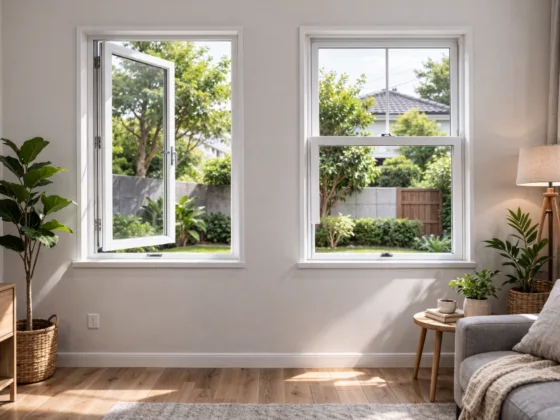
Insulation extends to your windows and doors, where they should have no air leaks. Leaks lead to air loss in your home, destabilizing the temperatures in your home.
Cold air will get in, and warm air will exit your home. A sustainable home will also have double-glazed windows. The double glazing will prevent heat loss or gain through the pane, maintaining your internal conditions.
With insulation, you’ll spend less money heating or cooling your home. Even if you invest in an HVAC (heating, ventilation, and air conditioning) unit, it won’t consume much energy to maintain your home’s temperature.
The aspect of insulation leading to less energy consumption by maintaining temperatures is what makes your home sustainable.
4. Solar Panels
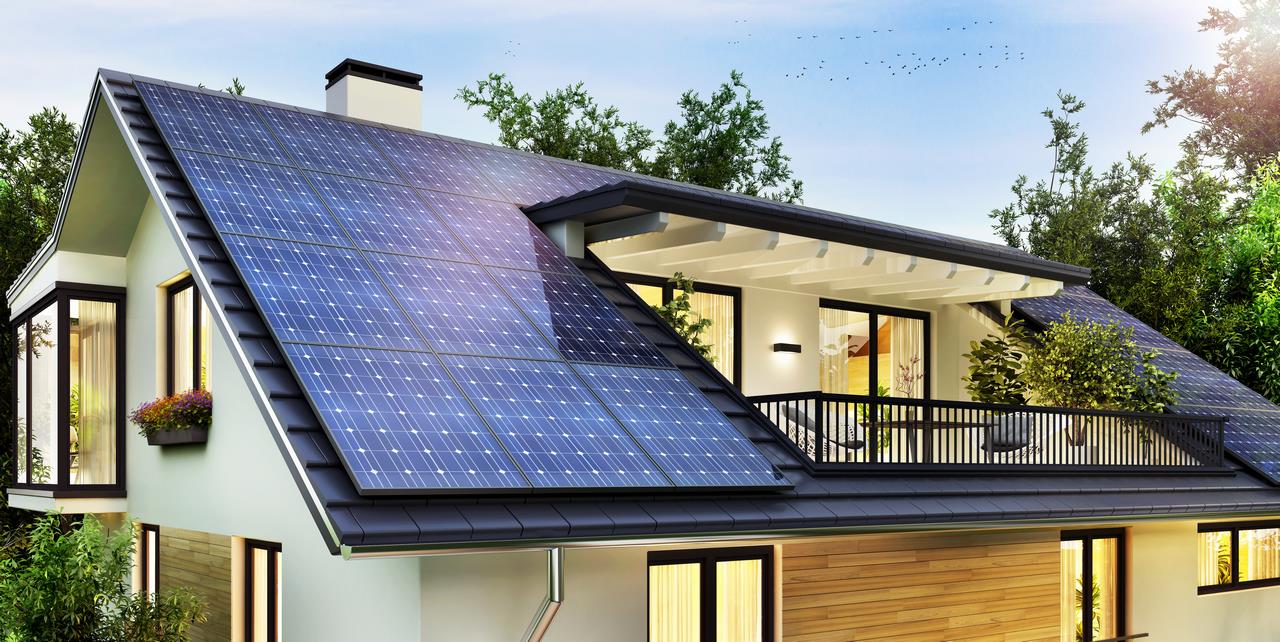
Solar panels aim at reducing the amount of electricity you consume in your home, which is sustainability. How?
During the day, the panels will absorb heat from the sun’s energy. They’ll then store this energy for your use. During the day, you can utilize natural light and switch to solar panels at night.
The length of time the panels will serve you depends on their power. If they absorb a lot of energy, you won’t need to invest much in electricity provision.
However, for the solar panels to be sustainable, you need to place them strategically to absorb as much sunlight as possible. This is preferably in an area without obstruction, such as your roof, backyard, or front yard.
5. Energy-Efficient Appliances
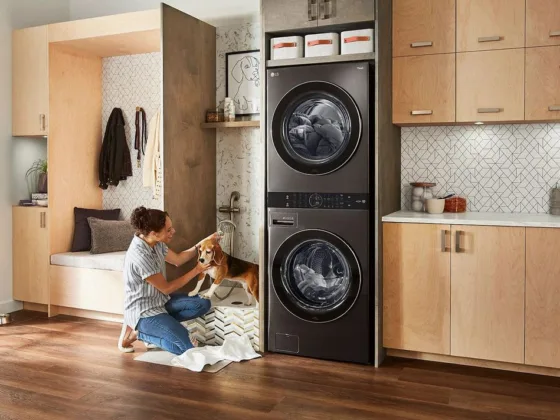
You can extend sustainability in your home by adopting energy-efficient appliances. Energy-efficient appliances don’t consume a lot of energy to run. This reduces the amount of electricity you use, bringing about sustainability.
To identify these appliances, they have energy-star ratings on their bodies. The more the number of stars, the more energy-efficient it is.
These appliances range from refrigerators to microwaves to washing machines.
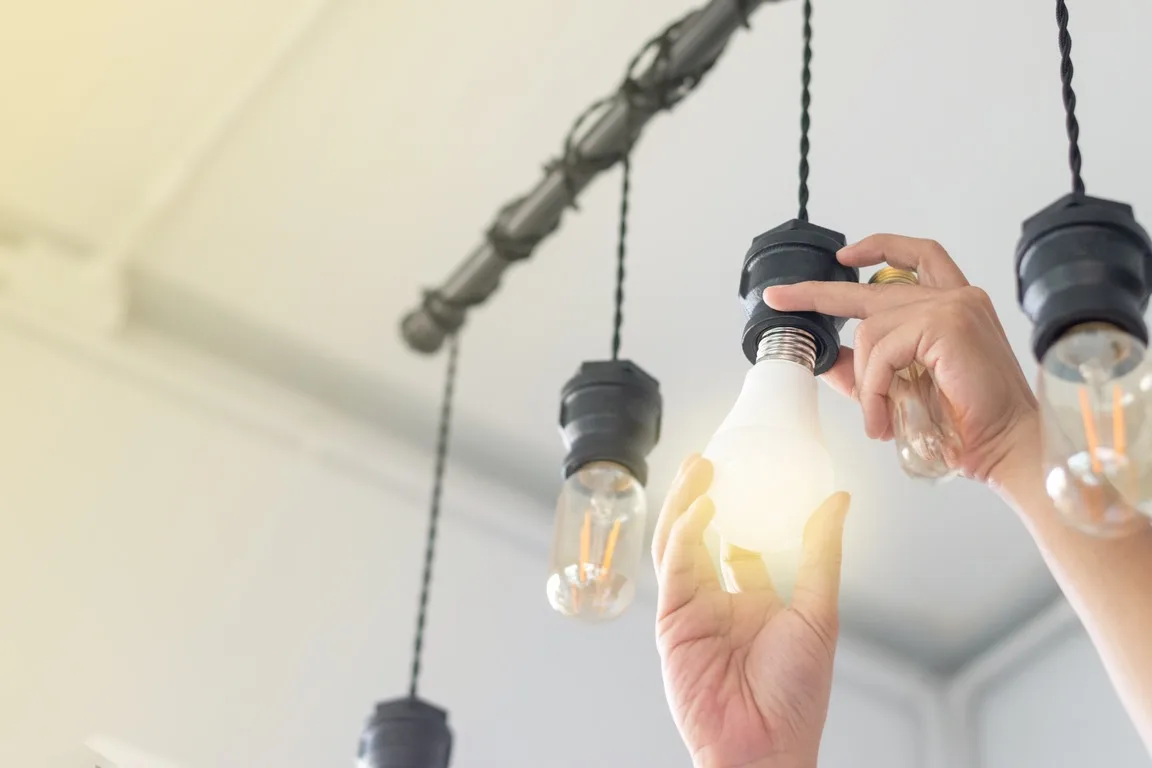
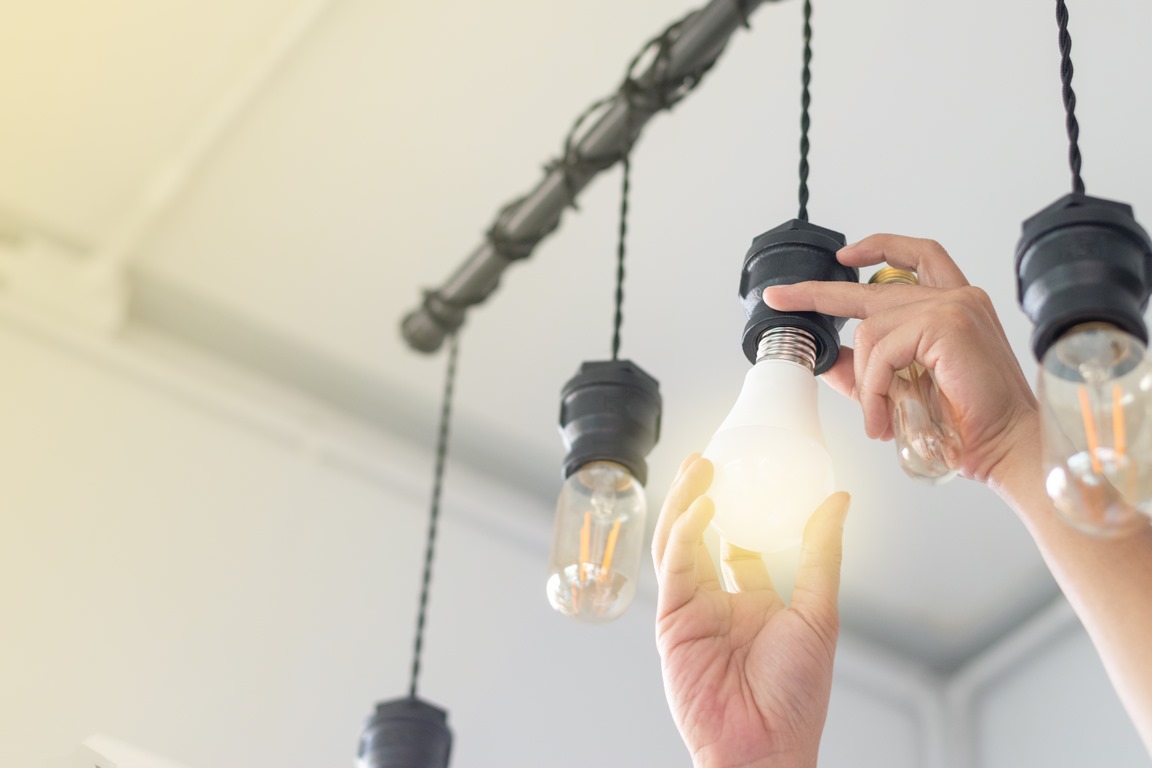
Energy-efficiency appliances also extend to lighting. Some bulbs consume less electricity than others. A sustainable home will have LED (light-emitting diodes) bulbs. They utilize less energy to light up.
Conclusion
You’ve seen the aspects that make a home sustainable from the above discussion. If you’re a contractor, you’re now better positioned to know the things to incorporate as you build a home for your client.
Also, as a potential client, you know the features to request for your renovation project when you decide to go energy-efficient.
However, as you decide to incorporate the aspects discussed herein, do more research because other factors impact how you go about the sustainability of a home.
Doing your research will ensure you get the sustainability concept right, and it’ll work for your home and your particular region.