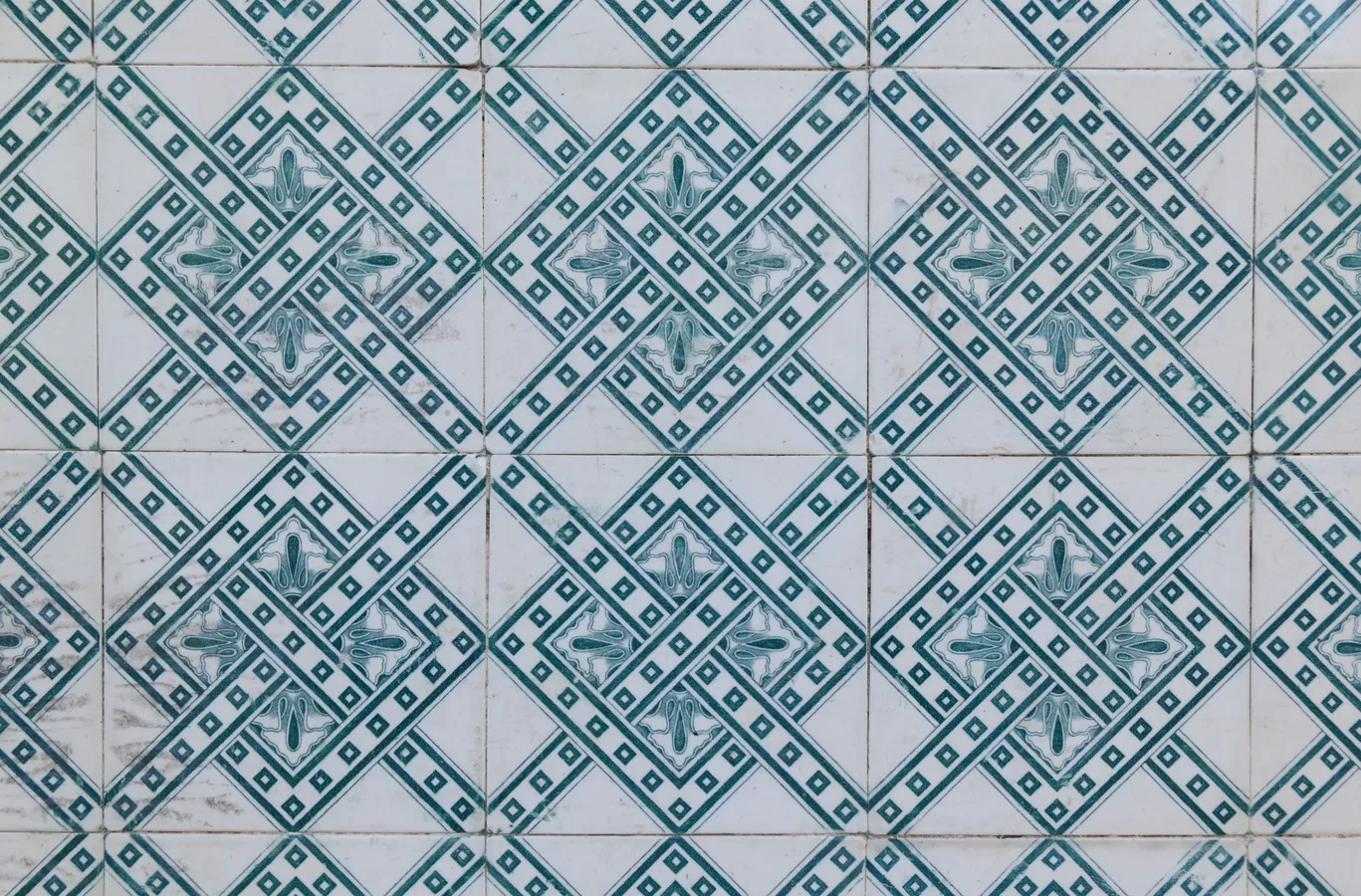
Ceramic tiles are a great option for your home, as they are durable, easy to clean, and come in a variety of styles and colors. However, ceramic tiles can also get stained by various substances, such as rust. Rust stains can make your tiles look dull, dirty, and old. But don’t worry, you don’t have to replace your tiles or live with the stains. In this blog post, we’ll share some tips and tricks to help you remove rust stains from ceramic tiles and make them shine again.
What causes rust stains on ceramic tiles?
Rust stains are one of the most common and annoying problems that can affect ceramic tiles. They are caused by the contact of iron-containing objects or substances with the tile surface, which triggers a chemical reaction with oxygen and water to form rust.
Some of the sources of iron that can cause rust stains on ceramic tiles are cooking appliances, metal utensils, furniture, water pipes, and nails. These items can leave behind rust deposits that can transfer onto the tiles and create unsightly marks. Rust stains can also be caused by the reaction of acidic substances, such as vinegar, lemon juice, or bleach, with the tile material.
These substances can corrode the tile surface and expose the iron content in it, which can then rust and stain the tiles. Rust stains can vary in color, size, and shape, depending on the type and amount of iron involved, the duration and intensity of the exposure, and the condition and quality of the tiles.
How to prevent rust stains on ceramic tiles?
The best way to prevent rust stains on ceramic tiles is to avoid the factors that cause them in the first place. Here are some tips to prevent rust stains on ceramic tiles:
- Use plastic or rubber pads or coasters under metal objects or furniture that touch the tiles.
- Install a water filter or softener to reduce the iron content in your water supply.
- Avoid using acidic cleaners or substances on your tiles, and rinse them well after cleaning.
- Keep your tiles dry and well-ventilated, and wipe away any spills or splashes immediately.
How to remove rust stains from ceramic tiles?
Rust stains can be a nuisance for ceramic tile owners, as they can ruin the appearance and quality of the surface. Fortunately, there are some tips and tricks to remove rust stains from ceramic tiles using natural or household ingredients, such as lemon juice, baking soda, salt, vinegar, or borax.
These ingredients have acidic or abrasive properties that can help dissolve or scrub away the rust deposits without harming the tile material. To use these methods, you need to mix the ingredients with water to form a paste and apply it to the stained area. Then, you need to scrub gently with a sponge or brush and rinse with water. You may need to repeat the process several times to achieve the best results.
Another tip to remove rust stains from ceramic tiles is to use a pumice stone, which is a porous and abrasive volcanic rock that can effectively scrape off rust marks. You need to soak the pumice stone in water for a few minutes to soften it, then rub it lightly over the rusted area in circular motions. Be careful not to apply too much pressure, as this could scratch the ceramic surface. After scrubbing, rinse the tile with water and dry it with a clean cloth.
Some things to avoid when removing rust stains from ceramic tiles are harsh chemicals, such as bleach, ammonia, or chlorine, as they can damage the tile surface or cause discoloration. You should also avoid using steel wool, wire brushes, or metal scrapers, as they can scratch the ceramic surface or leave behind metal particles that can cause more rust. You should also test any cleaning solution or method on a small, inconspicuous area of the tile before applying it to the entire rusted area, to ensure it does not cause any damage or adverse effects.
How to maintain your ceramic tiles after removing rust stains?
Once you have removed the rust stains from your ceramic tiles, you want to keep them looking clean and shiny. Here are some tips to maintain your ceramic tiles after removing rust stains:
- Sweep or vacuum your tiles regularly to remove dust and dirt.
- Mop your tiles with a mild detergent and warm water once a week, or as needed.
- Seal your tiles with a tile sealer every six months, or as recommended by the manufacturer.
- Polish your tiles with a tile polish every three months, or as recommended by the manufacturer.
Conclusion
Rust stains on ceramic tiles can be a nuisance, but they are not impossible to remove. With the right methods and products, you can get rid of them and restore the beauty of your tiles. Remember to prevent rust stains from forming in the first place, and to maintain your tiles regularly after removing them. We hope this blog post has been helpful and informative for you. If you have any questions or comments, please feel free to leave them below. Thank you for reading!
Frequently Asked Question
What causes rust stains on ceramic tiles?
Rust stains are caused by iron-containing objects or substances that come into contact with the tile surface, such as cooking appliances, metal utensils, furniture, water pipes, or nails. The iron reacts with oxygen and water to form rust, which can transfer onto the tiles and leave unsightly marks.
How can I remove rust stains from ceramic tiles using natural ingredients?
There are several natural ingredients that can help you remove rust stains from ceramic tiles, such as lemon juice, baking soda, salt, vinegar, or borax. These ingredients have acidic or abrasive properties that can break down or dissolve the rust deposits without damaging the tile surface. You can mix them with water to form a paste and apply it to the stained area, then scrub gently with a sponge or brush and rinse with water.
How can I remove rust stains from ceramic tiles using a pumice stone?
A pumice stone is a porous and abrasive volcanic rock that can effectively remove rust stains from ceramic tiles. You need to soak the pumice stone in water for a few minutes to soften it, then rub it lightly over the rusted area in circular motions. Be careful not to apply too much pressure, as this could scratch the ceramic surface. After scrubbing, rinse the tile with water and dry it with a clean cloth.
How can I prevent rust stains from forming on ceramic tiles?
To prevent rust stains from forming on ceramic tiles, you need to avoid placing iron-containing objects or substances on or near the tile surface or use protective mats or covers if necessary. You also need to keep the tiles clean and dry and wipe away any spills or splashes immediately. You can also apply a sealant or wax to the tiles to create a protective layer that repels water and dirt.
What should I avoid doing when removing rust stains from ceramic tiles?
When removing rust stains from ceramic tiles, you should avoid using harsh chemicals, such as bleach, ammonia, or chlorine, as they can damage the tile surface or cause discoloration. You should also avoid using steel wool, wire brushes, or metal scrapers, as they can scratch the ceramic surface or leave behind metal particles that can cause more rust. You should also test any cleaning solution or method on a small, inconspicuous area of the tile before applying it to the entire rusted area, to ensure it does not cause any damage or adverse effects.