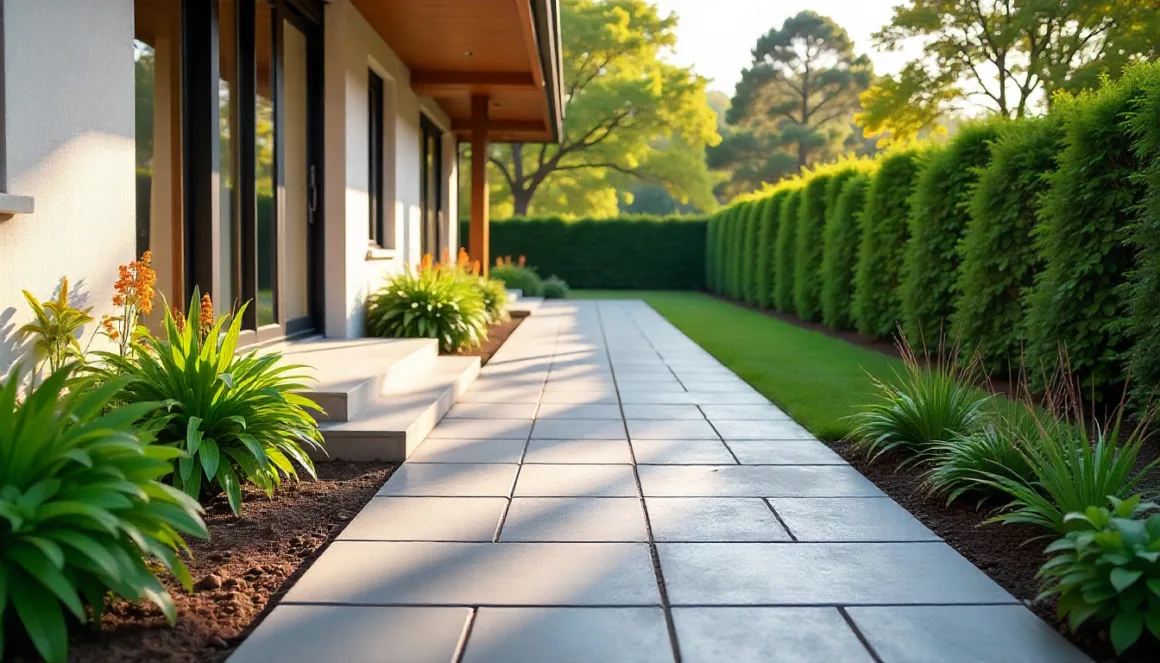
Stamped concrete sidewalks aren’t just walkways—they’re design features that add real character to outdoor spaces. Whether you’re upgrading your home’s curb appeal or enhancing a business entryway, stamped concrete delivers a high-end look that’s both durable and cost-effective. With its ability to mimic natural materials and fit nearly any design vision, this versatile option has gained popularity among homeowners, designers, and contractors alike.
The Aesthetic Appeal of Stamped Concrete for Sidewalk Designs
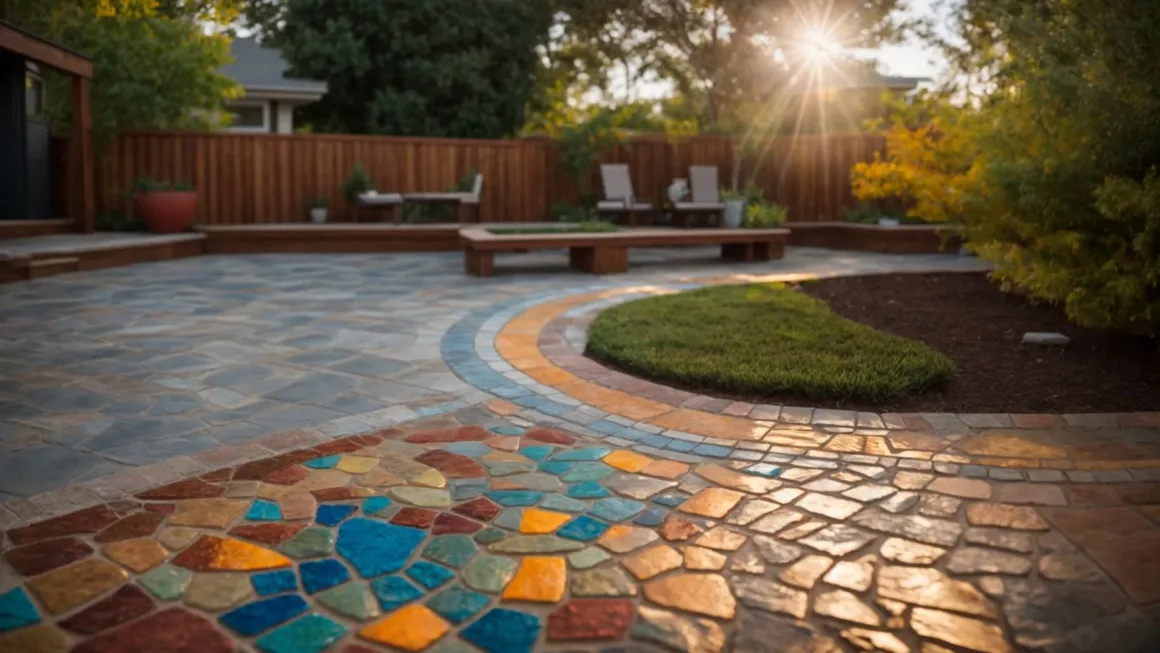
A stamped concrete sidewalk gives you creative freedom without the high cost of natural stone or brick. It can replicate the appearance of slate, wood, tile, or cobblestone, blending seamlessly into modern or traditional landscapes. Color stains and surface hardeners let you customize tones—from subtle earth hues to bold highlights—that match your home’s aesthetic.
Aside from looks, the textured surface of stamped concrete offers practical safety benefits, especially in wet conditions. Its appearance rivals pricier materials while staying more affordable, making it a go-to for anyone looking to elevate outdoor design on a budget.
Expert Insight: The American Concrete Institute (ACI) highlights stamped concrete’s rare ability to provide both structural reliability and design flexibility.
Durability and Longevity Benefits of Stamped Concrete Walkways
Stamped concrete holds up against the elements and daily use. Reinforced with wire mesh or rebar, it resists shifting, cracking, and wear better than individual pavers or standard poured concrete. Once sealed, it becomes water-resistant and UV-protected, minimizing fading and surface damage.
Because it’s a continuous surface, it avoids common paver issues like weed growth between joints or uneven settling. A stable, well-sealed stamped walkway can last decades with minimal upkeep—ideal for homes and businesses with high foot traffic.
Quick Tip: Resealing every 2–3 years boosts resistance to freeze-thaw cycles, salt damage, and fading.
For more, check out Concrete Network Maintenance Tips.
Customization Options with Stamped Concrete Patterns and Colors
Stamped concrete can be shaped, colored, and textured to reflect your personal style. Whether you’re going for a classic brick path or a contemporary geometric design, there’s a mold to match. Add depth and realism with layered coloring methods like integral pigments, acid stains, and dry-shake hardeners.
Want even more personalization? Incorporate borders, medallions, or logos. This is especially popular in commercial projects or outdoor gathering spaces where a branded or themed aesthetic is desired. Concrete’s flexibility allows for curves and customized layouts that adapt to your landscape, delivering function with flair.
Pro Design Tip: Layer multiple coloring techniques to achieve realistic, natural-looking finishes.
Maintenance Tips for Keeping Your Stamped Concrete Sidewalk Pristine
To maintain stamped concrete’s appearance, regular upkeep is essential. Sweep or rinse weekly to prevent buildup. For tougher stains, use a mild detergent and scrub brush. Avoid deicing salts with ammonium, and reseal the surface every few years to protect against UV, moisture, and wear.
Placing doormats near entries helps reduce surface abrasion. Repair small cracks early with color-matching patch kits to maintain consistent appearance. Keeping up with these tasks ensures your sidewalk stays vibrant and damage-free.
Maintenance Checklist:
- Weekly rinsing or light sweeping
- Monthly cleaning with soap and water
- Reapply sealant every 2–3 years
- Avoid harsh deicers or abrasive tools
For deeper care tips, visit Concrete Network Maintenance Tips.
Cost-Effectiveness and Value Addition of Stamped Concrete to Property Curb Appeal
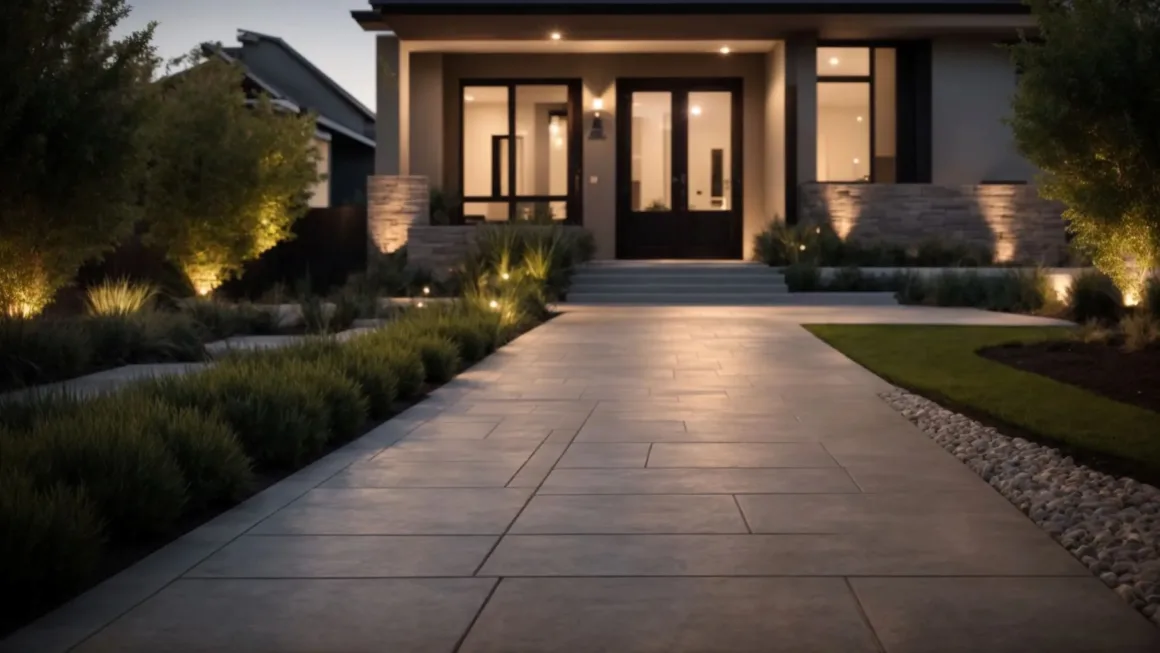
While stamped concrete might cost more than standard concrete upfront, it’s significantly less expensive than flagstone, slate, or natural pavers. It delivers a high-end appearance without the high-end price tag. And since it requires less long-term maintenance, it often pays for itself over time.
Stamped concrete enhances curb appeal, increasing property value and attracting buyers. With so many design and budget options, you can create a custom finish tailored to your home or business’s style.
Did You Know? According to Realtor.com, homes with decorative concrete installations tend to sell up to 15% faster.
Stamped concrete sidewalks strike a balance between beauty and performance. With endless design options, long-lasting durability, and easy maintenance, they remain one of the most reliable and visually appealing upgrades for outdoor spaces.
Frequently Asked Questions (FAQs)
❓ What is stamped concrete, and how is it different from regular concrete?
Stamped concrete is regular concrete that’s patterned, textured, or colored to resemble natural materials like brick, slate, or stone. It offers a more decorative look while maintaining the strength and durability of standard concrete.
❓ How long does a stamped concrete sidewalk last?
With proper installation and regular maintenance like sealing every 2–3 years, a stamped concrete sidewalk can last 20+ years. Its durability often surpasses that of individual pavers or standard poured concrete.
❓ Is stamped concrete slippery when wet?
When sealed correctly with a non-slip additive and maintained properly, stamped concrete provides good traction. The textured surface also naturally improves grip, especially during rainy conditions.
❓ How much does stamped concrete cost compared to pavers?
While stamped concrete may cost slightly more than plain concrete, it’s generally more affordable than natural stone or pavers. Costs vary based on design complexity and region, but it typically provides better value over time due to lower maintenance.
❓ Can I customize the design of my stamped concrete sidewalk?
Absolutely. Stamped concrete offers nearly unlimited design flexibility—from pattern and texture to color choices and border accents. You can even incorporate personalized elements like logos or medallions.