Table of Contents
- Why Mosquitoes Love Your Backyard
- Get Rid of Standing Water
- Keep Your Lawn and Garden Maintained
- Natural Repellents and Plant-Based Solutions
- Use Outdoor Fans and Adjust Lighting
- Consider Mosquito Traps and Physical Barriers
- Hire a Professional Mosquito Control Service
- Mosquito Control Methods at a Glance
- When to Call a Professional
- Latest Innovations in Mosquito Control
- Common Mosquito Control Mistakes to Avoid
- Seasonal Mosquito Prevention Checklist
- FAQ – Backyard Mosquito Prevention
- Conclusion
Spending an enjoyable evening outside can turn into a nightmare in minutes when mosquitoes crash the party. These pests not only bite and cause itchy welts, but they can also transmit serious diseases like West Nile virus, dengue, and Zika. According to the Centers for Disease Control and Prevention (CDC), some species can develop from egg to adult in just 7–10 days.
The good news? A few strategic steps — from eliminating breeding grounds to using modern, eco-friendly control methods — can help you take back your backyard.
Why Mosquitoes Love Your Backyard
Mosquitoes thrive in warm, humid areas with access to standing water and shaded vegetation. Common breeding spots include birdbaths, clogged gutters, pet bowls, and plant saucers. They also shelter in tall grass, overgrown shrubs, and shady corners.
Mosquitoes go through four life stages: egg, larva, pupa, and adult. The first three stages happen in water, which is why removing it is the single most effective prevention method. If you’re struggling with an infestation despite taking preventive steps, a professional mosquito control service can help locate and treat hidden breeding areas while reducing adult populations.
Expert Insight – Brian T. Forschler, Professor of Entomology, University of Georgia:
“Even small puddles or a forgotten watering can become a mosquito nursery. The key is consistent inspection and removal of water sources.”
About the Expert: Forschler has over 30 years of field experience in insect biology, ecology, and pest management, with a specialization in integrated pest control.
Get Rid of Standing Water
Female mosquitoes lay eggs in stagnant water, and the larvae mature into adults in a few days. By cutting off their breeding sites, you can dramatically reduce mosquito numbers.
Step-by-Step Water Removal:
- Birdbaths and pet water dishes – Empty, scrub, and refill every 2–3 days.
- Gutters – Wearing gloves, use a stable ladder and gutter scoop to remove debris. Flush with a hose to ensure proper drainage. Clean at least twice per season or more often if you have overhanging trees.
- Rain barrels – Keep covered with fine mesh.
- Unused containers – Store upside down or drill drainage holes.
CDC Guidance: Even small containers like plant saucers can produce hundreds of mosquitoes in a week.
Keep Your Lawn and Garden Maintained
A tidy yard reduces shady, moist areas where mosquitoes hide.
- Mow weekly to keep grass under 3 inches.
- Trim shrubs and hedges to avoid dense, damp clusters.
- Rake leaf litter monthly to prevent damp piles.
- Thin dense vegetation so sunlight and airflow dry the ground quickly after rain.
Natural Repellents and Plant-Based Solutions
Certain plants deter mosquitoes with their strong scents:
- Citronella — Great along borders or in pots near seating areas.
- Lavender — Prefers full sun, well-drained soil.
- Marigolds — Contain pyrethrum, a natural insect repellent.
- Basil and rosemary — Useful in cooking and pest control.
DIY Essential Oil Spray:
- Fill a 16-ounce spray bottle with distilled water.
- Add 15 drops of eucalyptus, 15 drops of peppermint, and 10 drops of tea tree oil.
- Shake before each use.
- Apply to skin and clothing every 2–3 hours.
- Avoid face application — spray into hands first, then pat on.
University of Florida Insight: Essential oils can help when reapplied often and combined with other methods.
Use Outdoor Fans and Adjust Lighting
Mosquitoes are weak fliers — a steady breeze keeps them away.
- Place oscillating fans at floor level for patios.
- Use ceiling fans with downward airflow in covered areas.
Lighting matters too:
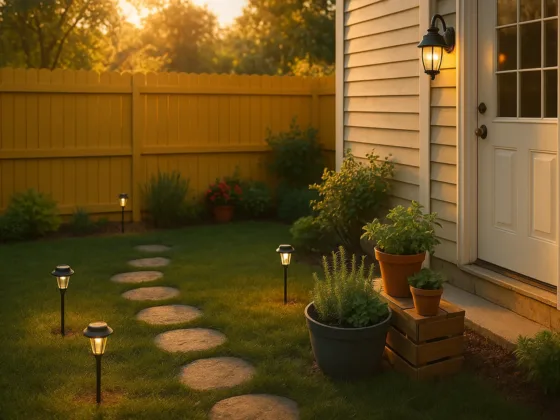
- Switch to yellow bug lights outdoors.
- Avoid cool white or blue-toned bulbs, which attract more insects.
Consider Mosquito Traps and Physical Barriers
Traps work by attracting mosquitoes and then capturing or killing them.
How CO₂ Traps Work: Female mosquitoes locate hosts by detecting carbon dioxide from breath. CO₂ traps emit a steady stream of gas to mimic human respiration, drawing mosquitoes into a capture chamber.
Other options include BG-Sentinel traps (target specific species) and smart traps that use sensors, cameras, and AI to identify species and log data in real time.
Autodissemination Stations like In2Care use the insect growth regulator pyriproxyfen and beneficial fungi (Beauveria bassiana). Mosquitoes pick up these agents and unknowingly spread them to hidden breeding sites, disrupting the life cycle far beyond the station itself.
Physical Barriers:
- Fine-mesh patio screens
- Gazebo netting
- Screened porch enclosures
Hire a Professional Mosquito Control Service
When DIY methods aren’t enough, professional services can assess your property, identify breeding zones, and tailor ongoing treatments.
Eco-Friendly Options Include:
- Garlic-based sprays – Repel without harming pollinators.
- Essential oil blends – Cedarwood, rosemary, peppermint.
- Bacillus thuringiensis israelensis (Bti) – Produces proteins toxic only to mosquito larvae, leaving other wildlife unharmed.
Application Methods:
- Low-volume misting in shaded vegetation
- Granular larvicides in ponds or drainage areas
- Barrier sprays along fences and hedges
- Autodissemination stations for hidden breeding sites
Mosquito Control Methods at a Glance
| Method | Effectiveness | Ease of Use | Cost (Initial / Ongoing) | Environmental Impact | Best For | Limitations |
|---|---|---|---|---|---|---|
| Natural Repellents & Plants (e.g., citronella, lavender, basil) | Low–Moderate | Easy | Low / Low | Very Low | Small areas, light mosquito presence | Needs frequent reapplication; limited range |
| DIY Essential Oil Sprays | Low–Moderate | Easy | Low / Low | Very Low | Short-term outdoor activities | Wears off quickly; must reapply often |
| CO₂ Traps | High (for outdoor use) | Moderate | High / Medium | Low–Moderate | Large yards, high mosquito density | Requires propane/CO₂ refills; not species-specific |
| BG-Sentinel Traps | High (targeted species control) | Moderate | Medium / Medium | Low–Moderate | Monitoring and reducing specific vector species | Less effective on nuisance species |
| Autodissemination Stations (e.g., In2Care) | High (larval control) | Moderate | Medium / Low | Low | Hard-to-reach breeding sites | Slower to reduce the adult population |
| Professional Mosquito Control Service | Very High | Very Easy | Medium–High / Medium | Varies (can be low with eco-friendly services) | Large properties, persistent infestations | Requires recurring visits for sustained results |
When to Call a Professional
DIY methods are great for low-to-moderate mosquito activity, but if you notice any of the following, it’s time to consider hiring a mosquito control service:
- You see large swarms during the day and evening despite using traps or repellents.
- Bites occur within minutes of stepping outside.
- You have nearby water sources you can’t fully drain (ponds, marshy areas, or drainage ditches).
- You’ve tried multiple DIY approaches for over a month without noticeable improvement.
- You or your family members have heightened health risks from mosquito-borne diseases.
Latest Innovations in Mosquito Control (Updated February 12, 2025)
- Smarter Traps: Abu Dhabi’s smart traps boosted capture rates by 400%. The University of South Florida’s AI trap identifies species instantly.
- Biological Methods: Gambusia fish devour larvae, while Wolbachia-infected mosquitoes release a block to disease transmission.
- Genetic Tools: Australia and Djibouti are piloting genetic control programs.
Common Mosquito Control Mistakes to Avoid
- Relying only on citronella candles
- Overwatering gardens
- Ignoring clogged gutters and drains
- Skipping regular seasonal inspections
Seasonal Mosquito Prevention Checklist
| Season | Action Steps |
|---|---|
| Spring | Mow weekly, use fans, maintain traps, and reapply repellents |
| Summer | Remove yard debris, store outdoor furniture dry, and cover water sources |
| Fall | Remove yard debris, store outdoor furniture dry, cover water sources |
| Winter | Deep-clean gutters, check drainage before spring rains |
FAQ – Backyard Mosquito Prevention
Q: What smell do mosquitoes hate the most?
A: Citronella, lavender, eucalyptus, and peppermint are among the scents mosquitoes avoid.
Q: Can vinegar repel mosquitoes?
A: It has a limited effect — essential oils and prevention work better.
Q: How do I mosquito-proof my backyard for a party?
A: Remove standing water 2–3 days before, set up fans, use citronella candles, and position traps around the perimeter.
Conclusion
Having a mosquito-free backyard isn’t just wishful thinking. With steady prevention, thoughtful landscaping, and, when needed, professional help, it’s entirely possible to keep these pests from taking over your outdoor space. Clear out standing water, add plants that naturally repel mosquitoes, and use well-placed traps or barriers to make your yard less inviting. As newer, safer control methods continue to appear, it’s becoming easier than ever to enjoy your backyard in peace — all summer long, without the bites or the buzz.