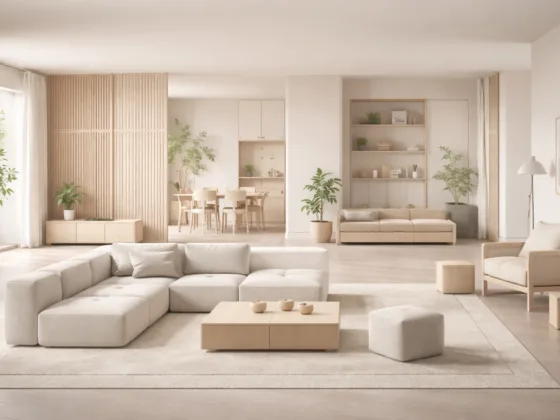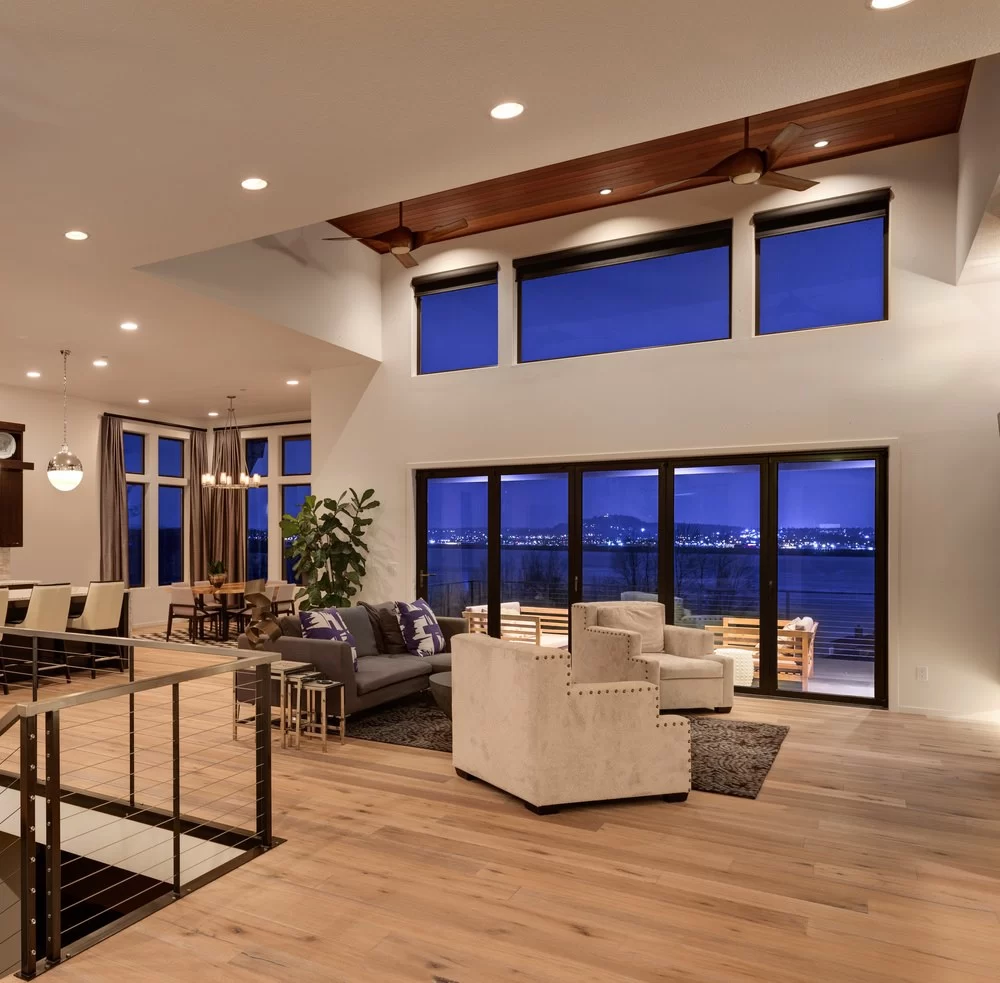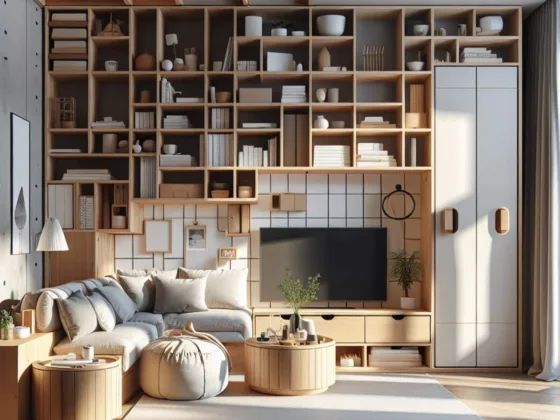
Living room layouts are often designed for a single moment in time. Furniture is positioned, circulation paths are set, and the room is expected to function the same way for years. In reality, households evolve. Work patterns shift, family structures change, and living rooms are asked to support new activities without expanding their physical footprint.
Flexible living room layouts address this gap by prioritising adaptability over permanence. Rather than locking a space into one configuration, flexible layouts allow seating, circulation, and zones to evolve gradually—without triggering renovation, replacement, or unnecessary waste.
This approach reframes layout planning as a long-term design decision rather than a decorative one. When flexibility is built into the structure of a room, interiors remain useful longer and respond more naturally to change.
Why Fixed Layouts Fail Over Time
Most living room layouts are organised around assumptions that rarely hold indefinitely. A sofa placed for occasional entertaining may feel restrictive once a room becomes a daily workspace. A television-centred arrangement may lose relevance when social use increases or when multiple activities need to coexist.
Fixed layouts tend to fail quietly. Instead of breaking all at once, they become incrementally inconvenient—circulation narrows, seating feels awkward, storage creeps into walkways. Over time, frustration builds until replacement feels like the only solution.
This pattern drives repeated intervention: new furniture, partial demolition, or full layout resets. Each reset carries financial cost and environmental impact, often disproportionate to the underlying problem, which is usually a lack of adaptability rather than poor design quality.
Flexibility as a Layout Principle
Flexibility in layout design does not mean constant rearrangement or visual chaos. Instead, it refers to creating multiple viable configurations within the same space—each functional, comfortable, and intentional.
A flexible layout allows furniture to move without disrupting circulation, supports different activities without structural change, and adapts incrementally rather than requiring wholesale replacement. This approach treats layout as a system rather than a fixed outcome.
When flexibility is treated as a principle rather than an afterthought, living rooms gain resilience. They accommodate change without demanding new materials, new furniture, or new construction.
Circulation, Clearance, and Reconfiguration
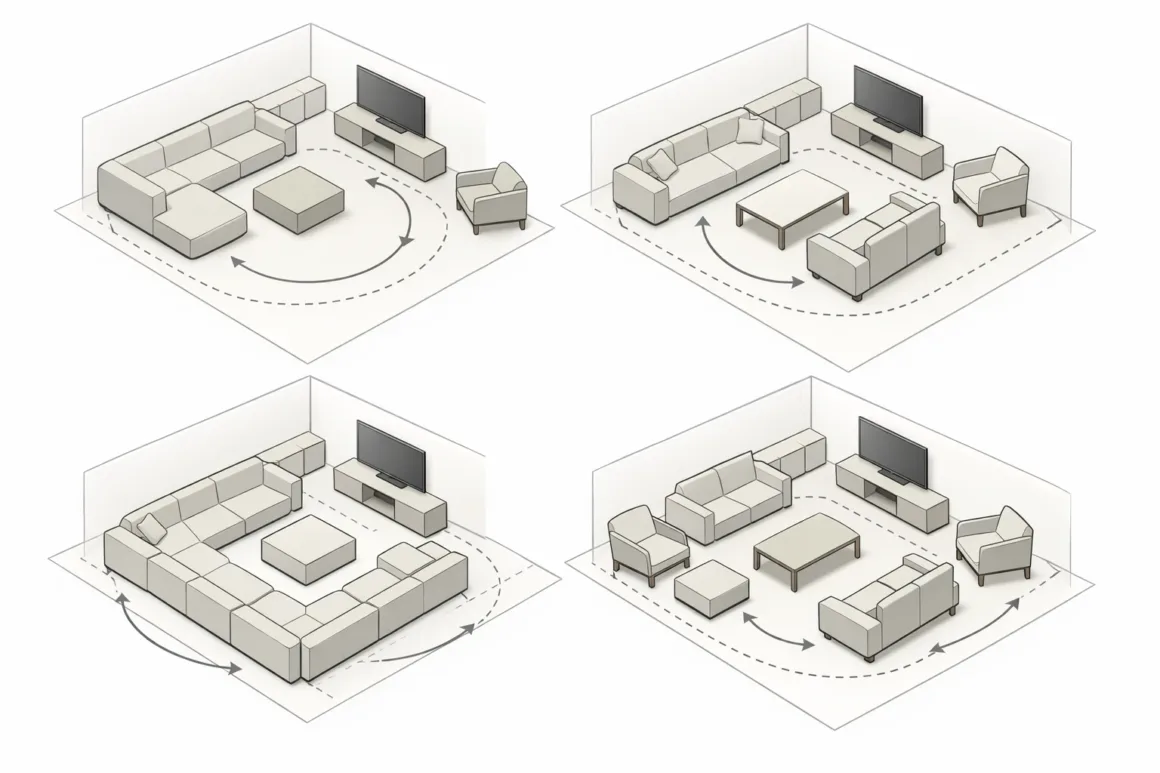
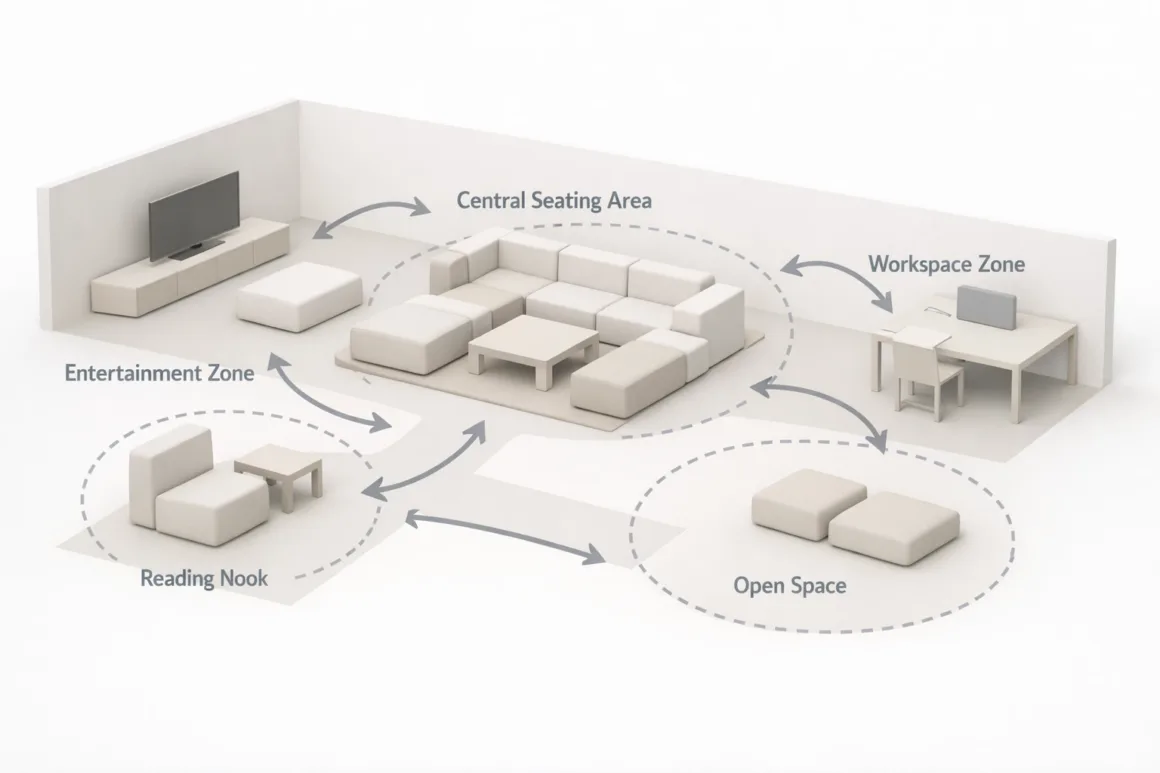
Circulation forms the backbone of any flexible living room layout. Clear movement paths between entrances, seating zones, and adjacent rooms ensure that furniture can change position without compromising daily usability.
Layouts designed around circulation rather than focal points tend to adapt more easily over time. When walkways remain consistent, furniture can shift without forcing users to relearn how the room functions.
- Maintain clear walking paths regardless of seating arrangement.
- Allow generous clearance around furniture groupings to enable future movement.
- Avoid anchoring the entire layout to a single visual focal point.
Clearance is equally important. Tightly packed layouts may feel efficient at first, but they limit future adjustment. A small buffer of open space allows layouts to evolve gradually rather than forcing abrupt change.
Zoning Without Permanence
Modern living rooms often support multiple activities throughout the day, including relaxation, work, socialising, and quiet retreat. Zoning helps organise these uses, but permanent partitions or built-in elements can undermine flexibility.
Flexible zoning relies on arrangement rather than construction. Rugs, lighting layers, and furniture groupings can define zones without locking them in place. When zones are created through positioning, they can shift as needs change.
This approach allows a room to function differently at different times without feeling disjointed. Zones appear intentional while remaining reversible, preserving both usability and long-term adaptability.
Furniture Systems That Support Layout Flexibility
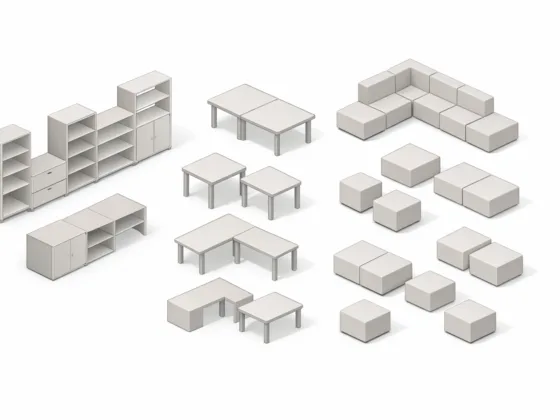
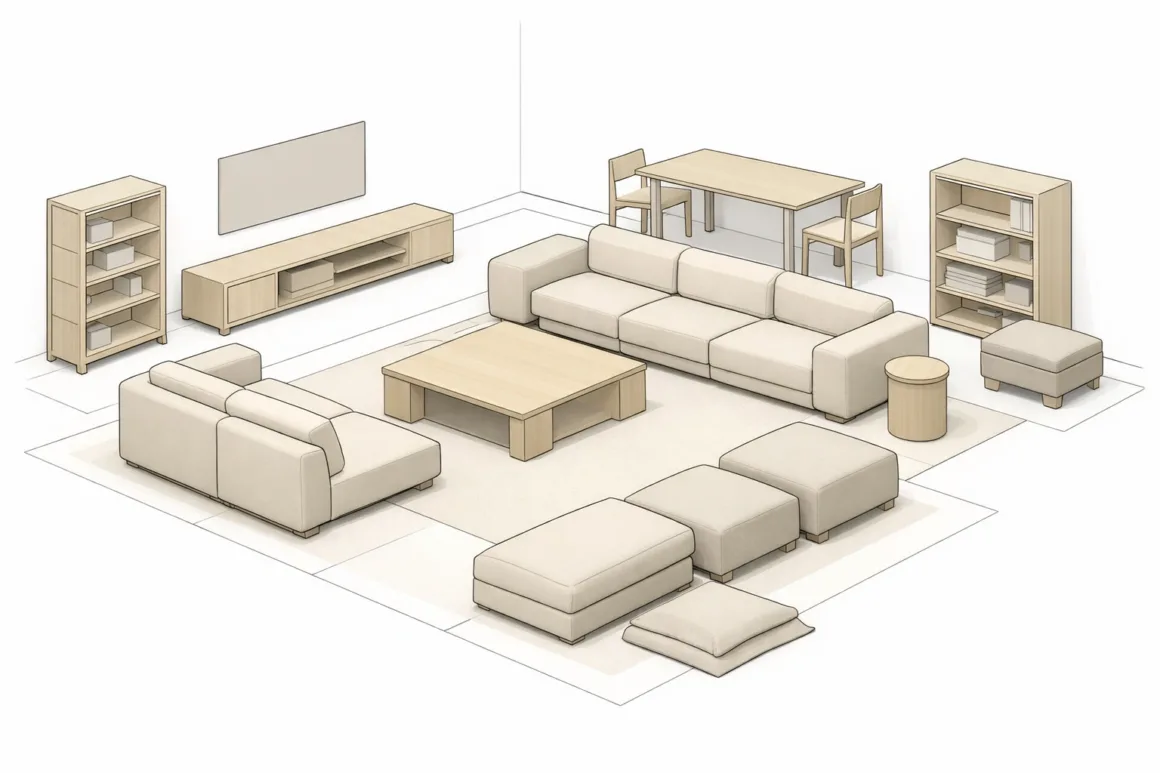
Layout flexibility is closely tied to furniture choice. Large, fixed pieces limit how a room can evolve, while modular or reconfigurable systems allow layouts to change incrementally.
Seating systems that shift between linear, corner, and facing arrangements enable living rooms to support different activities without introducing additional furniture. This reduces clutter and avoids replacement when room functions change.
For a deeper exploration of how modular seating supports adaptable layouts, see: What Is a Modular Sofa and Why It Works for Modern Living Rooms.
Storage and side furniture also play a role. Lightweight shelving, movable tables, and modular storage allow layouts to respond to growth without requiring permanent installation.
Common Layout Mistakes That Reduce Longevity
Some layout decisions unintentionally shorten a living room’s usable life. These issues often emerge gradually, making them difficult to identify until replacement feels unavoidable.
- Designing around a single, immovable furniture configuration.
- Blocking circulation paths with oversized seating.
- Over-defining zones using permanent or built-in elements.
Avoiding these pitfalls does not require minimalism or constant change. It requires allowing for adjustment before problems become structural.
Flexible Layouts and Sustainable Interiors
From a sustainability perspective, flexible layouts reduce replacement cycles. When a living room adapts without renovation, fewer materials are discarded and fewer new resources are required.
This system-based approach aligns with broader principles discussed in our guide to eco-friendly interior design, where longevity and adaptability play a central role in reducing waste.
Rather than relying on constant upgrades, flexible layouts allow homes to age more gracefully—maintaining relevance through use rather than replacement.
Frequently Asked Questions About Flexible Living Room Layouts
Do flexible layouts make rooms feel unfinished?
When planned intentionally, flexible layouts feel purposeful rather than temporary. Clear circulation and balanced proportions maintain visual cohesion even as arrangements change.
Is flexibility only useful in small living rooms?
No. Larger living rooms often benefit even more from flexibility, as they can support multiple configurations without sacrificing comfort or clarity.
Author & Editorial Review
Author: Perla Irish is a design and home living writer specialising in interior planning, furniture systems, and long-term usability. View her published work at Muck Rack.
Editorial Review: This article was reviewed by the HouseSumo Editorial Board to ensure clarity, neutrality, factual accuracy, and alignment with long-term home planning principles. Content is evaluated for usability rather than promotional intent.