• DIY
    • Crafts
      • Outdoors & Garden Projects
    • Decorating
      • Exterior Painting & Decorating
      • Painting & Wallpaper
      • Room by Room
    • Furniture
      • Cabinets
      • Tables
    • Woodworking
  • Home Improvement
    • Real Estate
    • Living
    • Entertaining
    • Home Building & Design
      • Home Interior
      • Home Exterior
    • Home Management
      • Home Organization
    • Remodeling
    • Living Areas
    • Bathroom
    • Kitchen
  • Lawn & Garden
    • Lawn Care
    • Vegetable Gardening
    • Landscaping
      • Irrigating
    • Flowers
    • Trees & Shrubs
  • Categories
    • Home Improvement
    • Lawn & Garden
    • Landscaping
    • Real Estate
Housesumo.com
  • DIY
    • Crafts
      • Outdoors & Garden Projects
    • Decorating
      • Exterior Painting & Decorating
      • Painting & Wallpaper
      • Room by Room
    • Furniture
      • Cabinets
      • Tables
    • Woodworking
  • Home Improvement
    • Real Estate
    • Living
    • Entertaining
    • Home Building & Design
      • Home Interior
      • Home Exterior
    • Home Management
      • Home Organization
    • Remodeling
    • Living Areas
    • Bathroom
    • Kitchen
  • Lawn & Garden
    • Lawn Care
    • Vegetable Gardening
    • Landscaping
      • Irrigating
    • Flowers
    • Trees & Shrubs
  • Categories
    • Home Improvement
    • Lawn & Garden
    • Landscaping
    • Real Estate
Featured of DIY Chain Link Fence: What Everybody Ought to Know
  • Home Exterior
  • DIY
  • Home Improvement

DIY Chain Link Fence: What Everybody Ought to Know

  • Perla Irish
  • April 24, 2018
Total
3
Shares
3
0
0
0

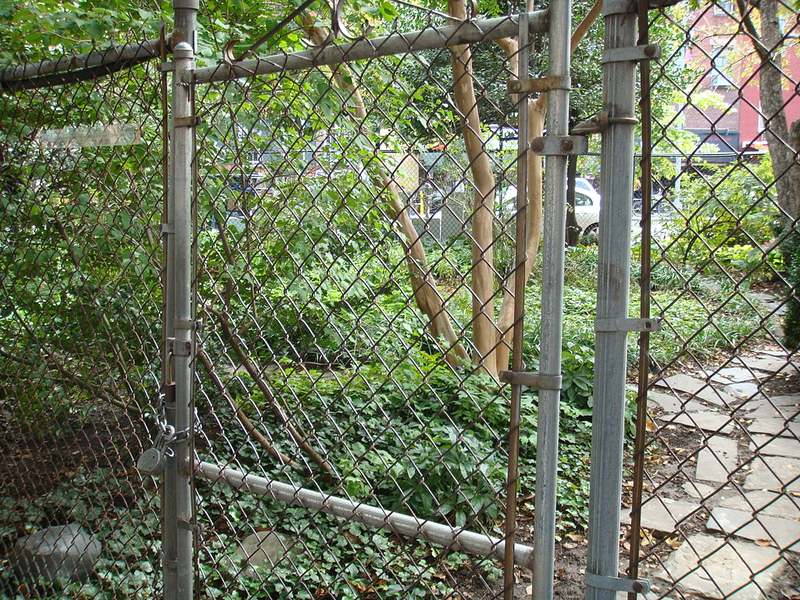
If you want to erect your own fence, just follow this DIY chain link fence guide to help you construct your own chain link fence. This article is a step by step walk through of the steps necessary to create a great new fence.
DIY Chain Link Fence: What Everybody Ought to Know
What Everybody Ought to Know (DIY Chain Link Fence)

DIY Chain Link Fence: What Everybody Ought to Know

A quality chain link fence can raise the value of your property and help keep your children and pets safe. The following DIY chain link fence guide will help you install your new fence.

You will Need…

Depending on the size of the chain link fence that you are looking to build you will need fence posts, domes, rail ends, tension bands, loop caps, and tension wires. Despite this being a DIY chain link fence guide, it is easier to make a fence with two people. If this is your first time building a fence you should definitely enlist the help of a friend. You will also need a post hole digger, which is an incredibly useful tool when building a chain link fence.

Step 1: Call the Local Utility Company

Always call before you dig. This can save you a great deal of headache. Also be conscious of your property boundary and any local laws concerning building. When you are given the go-ahead mark the perimeter of the fence and the placement of the posts. Spray paint where you intend to place the postholes. Do not exceed 8 feet in distance between posts.

Step 2: Dig the Holes
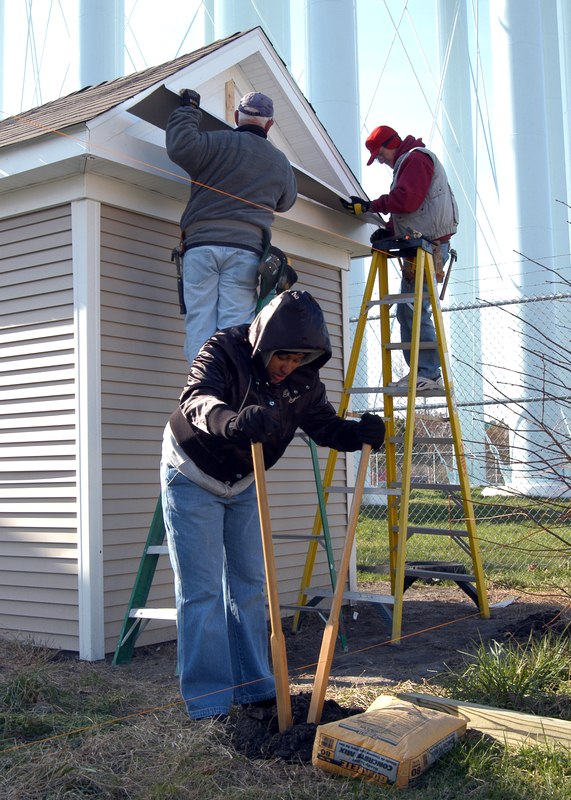
Dig the Holes - DIY Chain Link Fence
Dig the Holes (DIY Chain Link Fence)

You are going to want to purchase a posthole digger if you don’t already have one. Use the post hole digger to dig holes that are 20” to 26” deep. Make sure that the posts stand erect. Use fast-drying cement to pour in the holes and cover the outside with gravel. The post hole digger can be seen by clicking on the picture on the right.

Step 3: Attach Fittings

Put the rail end on either end of the pole and tighten them into place. Slip two tension bands onto every post and tighten them appropriately. Then place a dome on top of each post.

Step 4: Tighten the Mesh

Begin with the first post. Attach the tension bars by threading them through the diamonds. Unravel the mesh along the outside of the perimeter posts. Stretch the mesh across the outside of the posts. Make sure to hold the tension as you move from post to post attaching wires as you go. Make sure that you have the appropriate clearance from the bottom.

Step 5: Tie Tension Wires from the Top

Now go around the perimeter of the fence pulling the fence up and fastening the mesh to the top rod. The fence should lie flush with the ground, held firmly in place. You can attach the wires in a number of ways. One common method is to attach the wires to the top rod of the fence by simply weaving through the diamond space and twisting the top of the wire like you would close a twist tie on a bag of bread. However you choose to tie the tension wires make sure they are fastened securely.

Step 6: Install the Gate

Every gate kit has a different size. There should be instructions that come with it. Follow the instructions to attach all the component parts. The gate should open and close easily without too much of a gap below it.

Read Also:

  • How to Build a Treehouse for Your Kids + 31 DIY Plans for a Tree House (100% Free)
  • How to build a Cottage Farm Bench + 15 Free Farmhouse Bench Plans & Ideas
  • Advice on Fence Building, with 14++ DIY Fencing Ideas to Build Yourself
  • Indoor Water Features You Can Make Yourself
  • Can Pool Fencing Make a Difference?

Different Varieties of Chain Link Fences

You can complete your DIY chain link fence project in a variety of colors and sizes. The two main categories are “galvanized” and “colored”. Black, green, white and brown fences can all be found here. If you are looking to install a fence around a pool make sure you understand the regulations.

Wrapping Up

By the end of your DIY chain link fence project, you should have checked with the local utility company, spaced the poles at 8 feet apart, dug the post holes with the post hole digger, attached the fittings, wrapped and tightened the mesh, tied tension wires to hold the mesh to the top bar of the fence, and installed the gate. If you’ve done all these things properly, you should be enjoying your new beautiful chain link fence that you did yourself!

Image References

  • By This photo was taken by participant/team Naked Pictures of Bea Arthur as part of the Commons:Wikis Take Manhattan project on October 4, 2008. [CC BY-SA 3.0 ], via Wikimedia Commons
  • By U.S. Navy photo by Airman Daniel Arizpe [Public domain], via Wikimedia Commons

DIY

Here are some other DIY articles you might enjoy!

  1. DIY Chain Link Fence
  2. A Guide to install a DIY Kitchen Backsplash
  3. Easy DIY Screen Door Installation
  4. DIY Installation of Hardwood Floors
  5. How to Save Money on a Concrete Driveway
0
0
3
0
Total
3
Shares
Pin it 3
Share 0
Tweet 0
Share 0
Share 0
Previous Article
Featured of Swimming Pool Fencing Requirements: Federal Information
  • Home Building & Design
  • DIY
  • Home Improvement

Federal Fencing Requirements for a Swimming Pool

  • Perla Irish
  • April 23, 2018
View Post
Next Article
Featured of Harvesting Rainwater: How to Conserve and Use Rainwater
  • Irrigating
  • DIY
  • Landscaping
  • Lawn & Garden

How to Conserve and Use Rainwater: Rainwater Harvesting

  • Perla Irish
  • April 27, 2018
View Post

You May Also Like

Bathroom remodel in progress showing tile installation and renovation tools during construction.
View Post
  • Bathroom

How Long Does a Bathroom Remodel Really Take?

  • Perla Irish
  • March 11, 2026
Temporary ground protection panels installed over lawn beside a residential patio to prevent surface damage during an outdoor event
View Post
  • Lawn & Garden
  • Lawn Care

How to Protect Your Lawn and Outdoor Surfaces During Events (Before Damage Sets In)

  • Perla Irish
  • February 23, 2026
Side-by-side comparison of casement and double hung windows in a modern home interior
View Post
  • Remodeling

Replace Casement Window with Double Hung? Structural & Code Impacts

  • Perla Irish
  • February 20, 2026
New residential asphalt driveway with smooth surface and landscaped edges
View Post
  • Home Improvement

Asphalt Driveway Advantages vs Concrete: Cost, Lifespan & Structural Value

  • Perla Irish
  • February 20, 2026
Modest kitchen with wood-look faux butcher block countertop
View Post
  • Kitchen

DIY Faux Butcher Block Countertops: Cost, Durability & Long-Term Reality

  • Perla Irish
  • February 14, 2026
Modular furniture components arranged as an adaptive interior system rather than fixed standalone pieces.
View Post
  • Furniture

Modular Furniture Beyond Sofas: Designing Interiors That Adapt Over Time

  • Perla Irish
  • January 27, 2026
Flexible living room interior layout illustrated as a system, showing modular seating, storage, and furniture arranged for long-term adaptability rather than fixed styling.
View Post
  • Home Interior

Flexible Living Room Layouts: Designing Spaces That Adapt Over Time

  • Perla Irish
  • January 26, 2026
Neutral living space illustrating eco-friendly interior design through flexible layout and long-term adaptability.
View Post
  • Home Interior

Transforming Your Home With Eco-Friendly Interior Design

  • Perla Irish
  • January 26, 2026

Leave a Reply Cancel reply

Your email address will not be published. Required fields are marked *

Join 13,000 folks!

Get instant access to our weekly newsletter where we share the best! 100% Privacy. No Spam.

  • Disclosure & Affiliate Policy
  • Privacy Policy
  • Terms of Use
  • About
  • Sitemap
  • Contact Us

Input your search keywords and press Enter.