Soundproof curtains can quickly calm city noise without major renovations. In apartments, home offices, and hotel rooms, they damp echoes and reduce intrusive street sound—especially higher-frequency noise—while upgrading the look of the room. If you’re considering soundproof curtains for a rental or condo, the tips below show how to get realistic results without hype.
Benefits of Soundproof Curtains (Without the Hype)
- Quieter feel fast: Less echo and fewer harsh reflections, so conversations and calls sound clearer.
- Some traffic-noise relief: Dense, full-height panels trim outside noise—especially higher frequencies—when they fully cover the window and minimize gaps.
- Better sleep & WFH focus: Night use plus a steady fan or white-noise app is a practical combo in busy districts; for workspace and sleep upgrades see home office setup tips and sleep-space comfort ideas.
- Thermal + light control: Most acoustic/blackout curtains also help with glare and temperature swings.
- Rental-friendly: Reversible and movable—no major construction required.
Expectation check: Curtains mainly absorb sound inside the room; they only block a modest share of outdoor noise unless you also address air gaps and glass.
How Soundproof Curtains Work (Absorption vs. Blocking)
Absorption reduces echo inside the room. Blocking stops sound entering through gaps and glass. Curtains are primarily absorbers; to improve blocking you need mass and sealing with full coverage and minimal air gaps. Clear primers on the difference between soundproofing and absorption: Acoustical Surfaces and Soundproof Cow.
Do Soundproof Curtains Really Work?
- Evidence snapshot: Research presented via the Acoustical Society of America reports significant sound-level reductions in controlled tests when specialized curtains are added to windows. See the ASA press summary and the JASA conference abstract.
- Materials matter: Lab work on lightweight PVC-coated polyester and multilayer curtains shows strong mid-to-high-frequency transmission-loss performance. Read this preprint.
- Plain-English takeaway: Expect a calmer, less “ringy” room and some reduction of outside noise. Low-frequency traffic rumble is harder to stop without sealing leaks and upgrading glazing.
Installation: Small Details That Improve Results
- Ceiling track or high rod: mount as high as possible to increase coverage.
- Wider than the window: extend 8–12 cm past each side and wrap the fabric back toward the wall with returns or a wrap-around rod.
- Floor-kissing hem: minimize the bottom gap to limit flanking air paths.
- Fullness: target 2–2.5× the window width for continuous pleats and better absorption surface.
- Edge sealing (optional): discreet magnets or Velcro along edges or a secondary sheer layer to reduce leaks at night.
- Pairing: combine with weatherstripping and door sweeps; for bigger gains on the façade, consider soundproofing existing walls or windows.
Buying Tips (What to Look For)
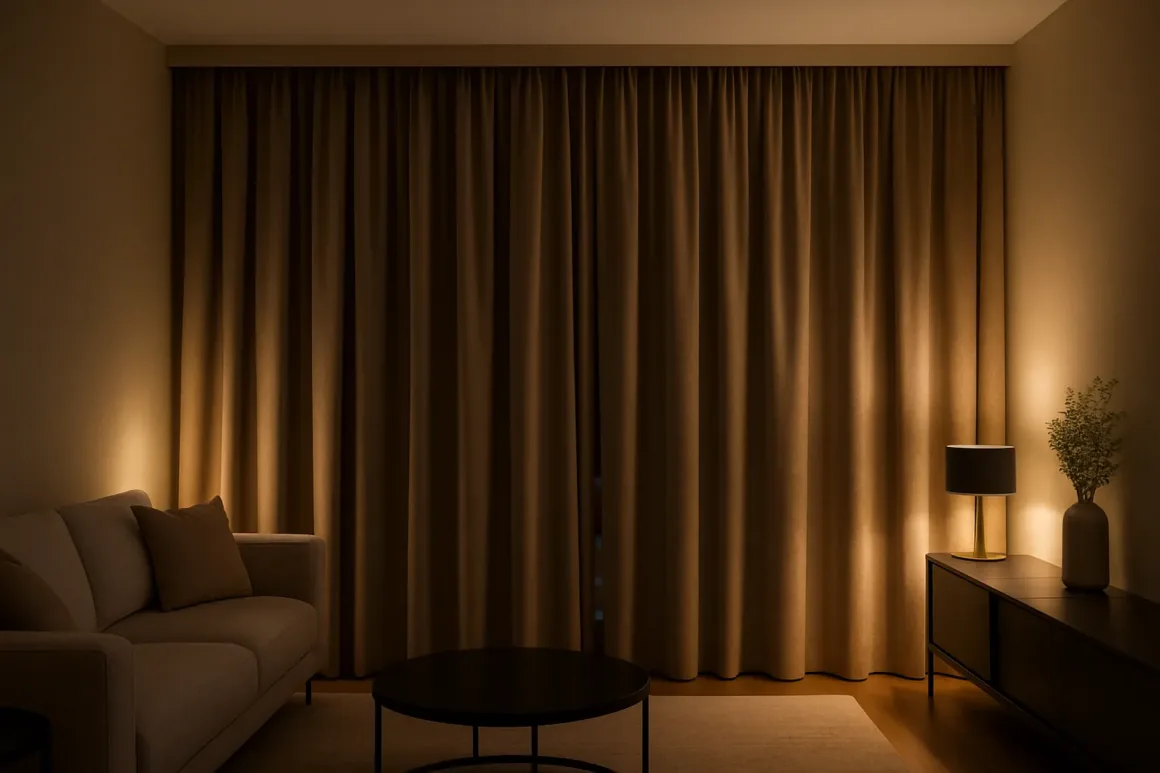
- Mass + layers: Dense weave, blackout/acoustic liners, and multilayer construction.
- Drop + coverage: Full height from ceiling to floor and overlap past the frame.
- Fabric width: 2–2.5× window width for fullness.
- Hardware: Robust track/rod with returns and anchors suited to concrete or drywall.
- Care: Removable liners or machine-washable panels for dusty, high-traffic zones.
Why They’re Popular in Dubai
Between construction, traffic, and late-night city life, many Dubai residents want fast, reversible fixes for noise. Coverage of local wellness research highlights stress, tiredness, and concentration problems linked to urban noise, which helps explain the rising interest in curtains for rentals and condos. Read more at Khaleej Times and Geo News.
FAQ: Soundproof Curtains
Do soundproof curtains really block noise?
They reduce echo and trim some outside noise—especially higher frequencies—but they won’t make a room silent. Results depend on fabric mass and how fully you cover and seal the window.
How much noise reduction should I expect?
Consumer curtains often yield modest but noticeable cuts. Specialized designs tested in labs can show higher performance, while real homes vary with window gaps, glass type, and traffic noise.
What specs matter most?
Multi-layer density, full height, 2–2.5× fullness, and overlap past the frame. Add basic weatherstripping for better results.
Are they good for rentals?
Yes. Use a ceiling track with anchors suited to your ceiling type and leave the walls intact.
Sources
- Acoustical Society of America press summary: Curtains and drapes that can reduce noise pollution by more than half.
- JASA (AIP Publishing) abstract: Enhancing acoustic comfort with window coverings.
- Research preprint: Investigation of lightweight acoustic curtains.
- Primer—absorption vs soundproofing: Acoustical Surfaces, Soundproof Cow.
- Dubai context: Khaleej Times, Geo News.
🔎 Reviewed by: Prof. Trevor Cox — Professor of Acoustic Engineering, University of Salford. Specialist in room acoustics, noise control, and acoustic design.
Expertise reference: University profile confirms research and teaching in acoustic engineering.