By carefully selecting windows and window coverings, homeowners can minimize energy use, thus reducing both utility bills and CO2 emissions, the prime cause of global warming.
We all know to look for Energy Star labels and high-efficiency ratings, but interpreting the numbers on these labels and determining which are best for our climate can be confusing. And there are myriad window-covering options—from awnings and draperies to shutters, blinds, and shades. This guide should help.
Remember the most efficient window on the market may not be ideal for a given situation. Windows should maximize natural light and provide the optimal heat transfer for your climate—more incoming winter heat and less trapped summer heat.
Eco-Friendly Windows: Measuring Energy Efficiency
An Energy Star-rated window is your guarantee of energy efficiency, but all such windows are not created equal. Each qualifying window lists five numbers, which are all measures of efficiency:
- U-Factor is the basic insulation level, or rate of heat transfer, calculated as energy loss per hour per square foot at a given temperature. Thankfully, somebody has already done the math. In any climate, look for a number close to 0.25.
- Solar Heat Gain Coefficient (SHGC) is the amount of solar heat trapped inside the window, on a scale from 0 to 1. In warm climates, look for a low number to keep out the summer heat. In cold climates, look for a higher number to trap winter sunlight.
- Visible Transmittance is the amount of light transfer, on a scale of 0 to 1. A low-VT window could increase the need for artificial daytime lighting but will have minimal impact on heat transfer.
- Air Leakage measures the efficiency and leakiness of the window frame. Most building codes require an AL of 0.3, which is a good benchmark.
- Condensation Resistance measures how well the window resists water build-up on a scale of 0 to 100. Higher values mean lower condensation rates.
Read Also:
Tips on Increasing U-Factor and SHGC
There are several ways to optimize U-Factor and SHGC, the two most important energy ratings:
Double and Triple Panes
The most effective, although expensive, efficiency gains come from adding extra panes of glass separated by a gas. Krypton is an effective insulator, but it is also expensive. It is often mixed with argon, a cheaper but less effective gas. Both are clear and non-toxic. Layers and spaces block heat flow and have low U-factors, which is always good. The extra panes also lower the SHGC, but other factors have a greater impact.
Low-E Coatings
Microscopic, invisible metallic oxide layers help insulate the window, and are effective in any climate. Make sure they are applied to outside panes to block heat in warm climates or from large, south-facing windows. In colder climates, they should be attached to inside panes to trap heat inside. However, avoid spectrally selective coatings in cold climates.
They are designed to allow in the full light spectrum by blocking infrared solar heat. The coatings increase the price by about 15% but reduce energy loss by 40%. High-quality e-coatings also are available for DIY applications to help save energy without replacing windows.
Tints
Heat-absorbing window tints change the color of the glass without affecting the U-factor. They will cut glare and SHGC ratings, so should be used selectively in warm climates if full natural daylighting is not desired.
Style
Beyond the glass, the frame and style also affect heat transfer. Fixed windows that don’t open are airtight, but also don’t allow ventilation and have limited use. Hinged windows that open outward are fairly efficient because they have a tight seal. Sliding windows tend to be the leakiest style.
Frames
Window frames conduct heat to varying degrees, and change the U-factor. Insulated fiberglass and vinyl frames have the lowest amounts of heat transfer. Wood and composite-wood frames are only slightly lower on the scale. Composite wood is easier to maintain and will not expand and contract with the weather. Metal frames are strong and low-maintenance, but they conduct heat quickly and are poor insulators.
Installation
Expensive, energy-efficient windows can be less efficient than older windows if they are not installed properly. After researching the best types of windows for your situation, find an experienced installation professional. They need to be integrated into the weather-resistant barrier and air sealed. Ask for an estimate that breaks down material and labor costs. Do not pay a premium for labor to install energy-efficient windows.
Other Considerations
Here are a few other things to take into account:
To keep from letting big windows turn a sunroom into a summer sauna, look for well-coated triple-pane windows.
To retain passive solar-heat gain, steer away from some specialized coatings, particularly on outside panes.
Low-E coatings allow visible light but block ultraviolet light, protecting photos, drapes, wood floors, and other household items from fading. However, dark coatings that block more than 30% of visible light will kill or stunt indoor plants.
- Awnings can reduce summer solar-heat gain by up to 65% on south-facing windows. Look for an opaque, tightly woven awnings. Consider retractable awnings for the winter.
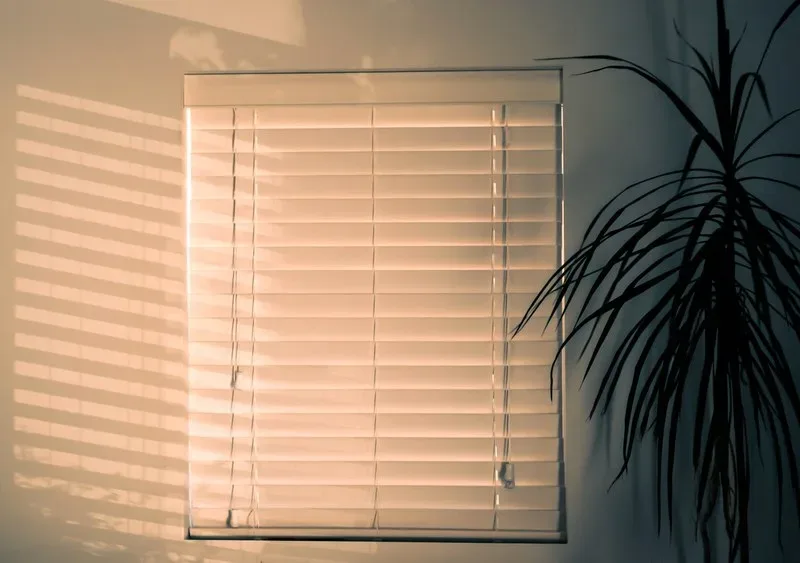
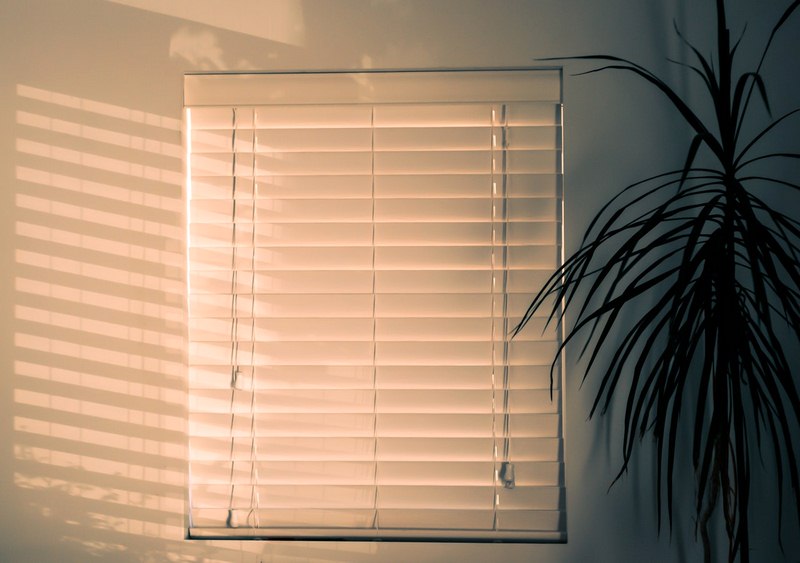
- Blinds reduce summer heat gain but won’t stop winter heat loss.
- Draperies vary widely, but some block one-third of summer heat, and cut heat loss by 10%. Hang draperies close to the windows, fully covering the frame and even attaching the drapes to the wall with Velcro or magnetic tape.
- Insulating window panels are a less attractive but very effective option, particularly for rooms rarely used. You can easily make a panel by cutting rigid foam insulation to the size of the window and sealing the edges with Velcro or tape.
- Various types of shades are simple and efficient, particularly dual-weather shades. Face the heat-absorbing dark side out during the winter and in during the summer. They should fit the window well and be mounted close to the glass. Quilted roller shades and Roman shades add insulation and an air barrier.
- Solid shutters—interior or exterior—also insulate and block air exchange, while adding security and weather protection.
Weatherize and Ventilate
Check the caulking around any existing windows. Caulk is an inexpensive way to block drafts and lower energy costs.
On the other hand, well-sealed windows and frames can help make a home too airtight. Volatile organic compounds in paint and other indoor pollutants may be trapped—along with moisture and odors. For this reason, if doors, windows, and light-fixture openings are securely sealed, a system of fans and ducts is recommended.
Choosing Window Coverings
Awnings and window coverings can significantly add to the energy efficiency of windows. Coverings should be closed on winter nights and on hot summer days and opened during sunny winter days. Here are some helpful tips:
Power-Bill Savings
Energy efficiency translates to utility-bill savings. The US Department of Energy estimates Energy Star windows can reduce power bills by 7% to 24%. Savings vary widely depending on heating and cooling costs in your region. Replacing one single-pane window with an Energy Star model will save about $137 per year in California and $478 in New York.
The EPA’s Energy Star website offers a handy list of cities and estimated energy savings for window replacements (pdf).
Recycling Old Windows
Don’t send the replaced windows to a landfill. You can use them around the house for a vegetable-garden cold frame, indoor art or homemade coffee table. If you can’t reuse the glass, maybe somebody else can. Donate old windows to Building Materials Reuse Centers or Habitat for Humanity ReStores.
Rebates and Tax Incentives
You can claim up to $1,500 in federal stimulus bill tax credits for buying Energy Star windows. Homeowners should keep the manufacturer’s Energy Star certification statement on record but are not required to submit it with tax returns. The EPA’s Energy Star program offers a zip code directory of local utilities that offer rebates and other incentives.
In the case of windows and window coverings, knowledge really is power—power savings, that is. Now that you know the options, you’ll be able to minimize your energy usage, reducing your utility bills and your carbon footprint in the process. A combination both your pocketbook and the Earth will love.
Additional Resources
- Window Selector Software (Free Download)